
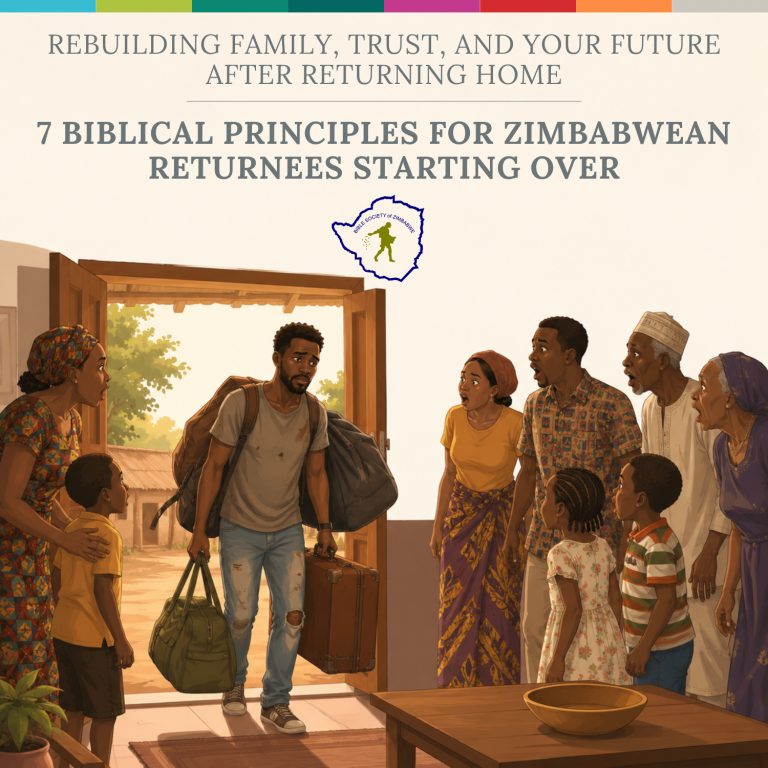
7 Biblical Principles for Zimbabwean Returnees Starting Over
Walking back into your family home after years away can feel… awkward. The children who once called you “Uncle” or “Auntie” are now adults. Your younger siblings have families of their own. Your parents have grown older. Your cousins have built lives you know very little about. And now, because of the xenophobic attacks in South Africa, you’re living under someone else’s roof again.
You may be grateful to be safe.
But you may also feel like you’re an inconvenience.
You might wonder:
“Will they get tired of me?”
“How long can I stay here?”
“What if they think I’ve failed?”
These feelings are normal.
Starting over isn’t just about finding a job or starting a business, it’s also about rebuilding relationships. The good news is this: every strong future begins with strong foundations, and family can become part of that foundation if we choose humility, gratitude, and wisdom.
1. Start with Gratitude, Not Expectations
Colossians 3:15 (NIV)
“And be thankful.”
Your relatives didn’t have to open their home to you. Many families are already carrying financial pressures of their own. A simple “thank you” goes further than you think.
Don’t assume hospitality.
Appreciate it.
Small acts matter.
Wash the dishes.
Sweep the yard.
Cook a meal.
Help with the children.
Run errands.
Gratitude isn’t just something you say. It’s something you demonstrate. People may forget your words, but they’ll remember how you made life easier for them.
2. Don’t Try to Pick Up Where You Left Off
Romans 12:18 (NIV)
“If it is possible, as far as it depends on you, live at peace with everyone.”
Years have passed, people have changed, family dynamics have changed. Don’t expect relationships to feel exactly as they did before you left.
Instead of saying,
“You’ve changed.”
Ask questions, listen, get to know your relatives again. Celebrate their milestones. Learn their routines. Rebuilding trust takes time, but every meaningful conversation lays another brick in the relationship.
3. Choose Humility Over Pride
Philippians 2:3-4 (NIV)
“Do nothing out of selfish ambition or vain conceit. Rather, in humility value others above yourselves, not looking to your own interests but each of you to the interests of the others.”
Living with relatives means adjusting to their way of doing things.
Their house has its own rules.
Respect them.
If they eat dinner at a certain time, join them.
If they have household responsibilities, ask where you can help.
Humility isn’t weakness.
It’s maturity.
People are more likely to support someone who is willing to learn than someone who acts entitled.
4. Be a Contributor, Not Just a Guest
Acts 20:35 (NIV)
“It is more blessed to give than to receive.”
Even if you don’t have money yet, you still have something to offer.
Your time.
Your skills.
Your energy.
Can you repair a broken gate?
Help a child with homework?
Fix a leaking tap?
Start a vegetable garden?
Teach someone a skill you learned while living in South Africa?
Contribution changes how people see you, and how you see yourself.
You stop feeling like a burden and start becoming part of the solution.
5. Let Go of Shame and Ask for Wise Advice
Proverbs 15:22 (NIV)
“Plans fail for lack of counsel, but with many advisers they succeed.”
You don’t have to figure everything out alone. Your relatives may know people who are hiring. They may know someone looking for a business partner. They may have advice about your community that you don’t have yet. Don’t let pride stop you from learning. Asking for guidance isn’t admitting defeat. It’s taking the first step toward rebuilding.
6. Build Trust Before You Build a Business
Luke 16:10 (NIV)
“Whoever can be trusted with very little can also be trusted with much…”
Before people invest in your dream, they’ll watch your character.
Are you dependable?
Do you keep your word?
Do you respect other people’s property?
Do you show up when you say you will?
Trust is one of the greatest forms of capital you’ll ever have.
Strong relationships often open doors that qualifications alone cannot.
7. Leave the House Better Than You Found It
Matthew 5:16 (NIV)
“Let your light shine before others, that they may see your good deeds and glorify your Father in heaven.”
One day you’ll move into your own place.
When that day comes, what will your relatives remember?
Will they remember someone who complained?
Or someone who brought peace?
Will they remember someone who only received?
Or someone who gave back?
Your season of staying with family is temporary.
But the relationships you build can last a lifetime.
Leave behind gratitude, kindness, and respect, not tension and resentment.
Your Family Is Not Your Finish Line
The goal isn’t to depend on your relatives forever. The goal is to use this season wisely. Reconnect.
Heal.
Save.
Learn.
Work.
Plan.
Then take the next step toward independence. There is no shame in receiving help for a season. The key is not to settle into dependency when God is calling you toward growth.
Final Thoughts
If you’re a returnee, remember this:
Coming home doesn’t make you less valuable. Living with relatives doesn’t mean you’ve failed. This season is not your identity. It’s your starting point. Use it to rebuild trust. Reconnect with family. Serve where you can. Learn from those around you.
And prepare for the day when you’ll be able to open your own door, not only for yourself, but for someone else who needs a safe place to begin again, because that’s what builders do. They remember the people who helped them stand, and when their own foundation is strong, they help others build too.

7 Bible verses that hit different when you’re navigating WhatsApp drama, campus beef, and everyday talk. Tap a verse to go deeper.
Proverbs 18:21 – “Death and life are in the power of the tongue, and those who love it will eat its fruits.”
Your words are not neutral. Every conversation you enter, you’re either planting seeds that grow life or dropping ones that rot. The fruits come back to you too — the way you speak shapes the person you’re becoming.
Hands-on tip for you
This week, catch yourself in the moment before speaking. Ask: is this seed life or death? You don’t have to say every true thing you think.
James 3:5-6 – “So also the tongue is a small member, yet it boasts of great things. How great a forest is set ablaze by such a small fire!”
One rumour on a school group chat can wreck someone’s entire year. James wrote this centuries before social media but he absolutely understood how quickly fire spreads. The tongue — or thumbs — can destroy faster than they can build.
Hands-on tip for you
Before forwarding or reposting something about another person, ask: am I the spark or the fire break? If you’re not sure, be the break.
Proverbs 12:18 – “There is one whose rash words are like sword thrusts, but the tongue of the wise brings healing.”
Rash words — stuff said in anger, jealousy, or frustration — cut deep and leave scars that last longer than the fight itself. Wise words do the opposite: they’re surgical. They go in and repair what’s broken.
Hands-on tip for you
If you’re angry, give yourself a rule: don’t speak about it (or post about it) for 24 hours. Angry words feel satisfying for about 5 minutes and cause damage for much longer.
Ephesians 4:29 – “Let no corrupting talk come out of your mouths, but only such as is good for building up… that it may give grace to those who hear.”
Paul is not saying don’t be honest or don’t confront. He’s saying: every time you open your mouth, ask what you’re building. You can give grace through hard conversations if you approach them right.
Hands-on tip for you
Practice the “build first” rule: in any difficult conversation, start with something real and positive before bringing the concern. This isn’t flattery — it’s wisdom.
Proverbs 15:4 – “A gentle tongue is a tree of life, but perverseness in it breaks the spirit.”
A tree of life gives shade, fruit, oxygen — it sustains. A gentle tongue does that for people. You literally help others breathe easier. Perverse speech — sharp, cruel, dismissive — doesn’t just hurt, it breaks something in a person.
Hands-on tip for you
Think of one person in your circle whose spirit seems low. Send them a WhatsApp today that’s a tree of life, not a stick. No agenda, just genuine care.
Matthew 12:36-37 – “On the day of judgment people will give account for every careless word they speak, for by your words you will be justified, and by your words you will be condemned.”
Jesus made this scarier than any parent ever could. “Careless” is the key word — not just hateful or deliberately cruel words, but the lazy, throwaway ones. The casual insult. The dismissive joke. Your words carry weight even when you don’t mean them to.
Hands-on tip for you
This isn’t about living in fear. It’s about raising your standard for “casual” speech. Carelessness is a habit — so is intentionality.
Proverbs 16:24 – “Gracious words are like a honeycomb, sweetness to the soul and health to the body.”
Gracious words — kind, generous, thoughtful speech — actually improve wellbeing. The people around you function better when you speak life into them. This isn’t soft; it’s one of the most powerful things you can do for your community.
Hands-on tip for you
Compliment someone publicly this week — in the group chat, in class, in front of others. Not faking it, just noticing something real and saying it out loud.
Life vs. Death – What does your speech look like?
| Situation | 🟢 Life-giving Words | 🔴 Death-dealing words |
| Friend fails an exam | “You’ve got this. What do you need?” | “Haa, I knew you’d fail that one.” |
| WhatsApp group gossip | Stay quiet or redirect the chat | Add fuel — send that screenshot |
| Campus argument | “Let me hear your side properly.” | “You’re embarrassing yourself, bro.” |
| Talking about yourself | “I’m learning and I’ll get better.” | “I’m useless, I can’t do anything.” |
| Roasting a friend (jokes) | Playful, they’re clearly fine with it | Insecurity disguised as a joke |
7 Day Tongue Challenge
| Monday | Say something specific and genuine to someone you usually take for granted — a parent, sibling, or lecturer. |
| Tuesday | Before you send that text, pause 60 seconds. Does it build up or tear down? (Ephesians 4:29) |
| Wednesday | Leave a gossip thread on read. Don’t add, don’t react. |
| Thursday | Speak something positive over yourself out loud — not cringe, just honest. (Proverbs 18:21) |
| Friday | Tell a friend exactly what you appreciate about them — not a vague “you’re cool”, something real. |
| Saturday | Audit your week. Where did your words feel like a sword? Where did they feel like honey? (Proverbs 16:24) |
| Sunday | Pray specifically about one speech habit you want to change. Write it down somewhere you’ll see it. |
Read more on 7 Bible Verses about the Power of the Tongue
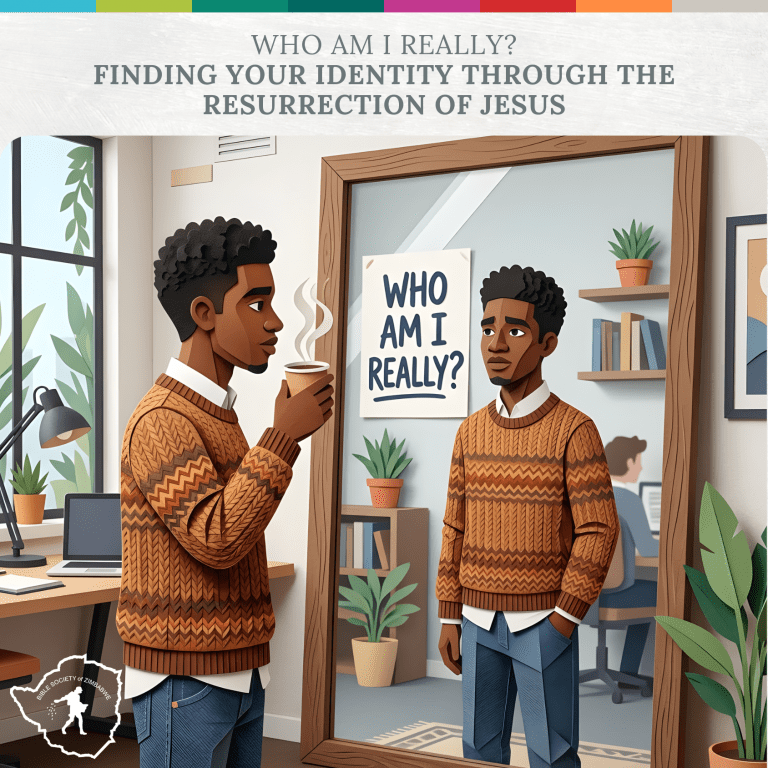
“Be yourself.”
“Find your truth.”
“Live your best life.”
We hear these phrases everywhere on TikTok, Instagram, YouTube, and in everyday conversations. But here’s the real question many young people are quietly asking:
Who am I really… beyond likes, followers, grades, mistakes, and expectations?
Easter isn’t just about chocolate eggs and long weekends. It’s about something way deeper identity. And surprisingly, the resurrection of Jesus speaks directly into your search for who you really are.
1. The Identity Crisis Is Real
Let’s be honest.
One day you feel confident.
The next day you feel invisible.
One post does well, you feel worthy.
Another flops, suddenly you’re questioning yourself.
So many young people are building their identity on:
- Social media validation
- Relationships
- Academic success
- Physical appearance
- Other people’s opinions
But the problem with these things?
They change. They fail. They leave.
The Bible reminds us:
“Why are you in despair, my soul? Why so disturbed within me?” — Psalm 42:11 (NIV)
That verse could easily be today’s Instagram caption. It shows that feeling lost, confused, or empty isn’t new. But Easter brings an answer we often overlook.
2. Easter Is About More Than a Comeback Story
Jesus didn’t just die and rise again for history books.
He did it to give you a new identity.
“Therefore, if anyone is in Christ, the new creation has come: The old has gone, the new is here!” — 2 Corinthians 5:17 (NIV)
That means:
- You are not your past mistakes
- You are not your worst moment
- You are not what people said about you
- You are not your trauma or failures
Through Jesus’ resurrection, God offers you a fresh start, not just spiritually, but personally.
3. You Are Chosen, Not Random
So many people feel like accidents.
Like they don’t really matter.
Like nobody would notice if they disappeared.
But Easter says otherwise.
“You did not choose me, but I chose you and appointed you so that you might go and bear fruit.” — John 15:16 (NIV)
Read that again slowly.
God chose you. On purpose.
Your life isn’t random. Your existence isn’t a mistake. You were created with intention, value, and meaning, and the resurrection proves that God went to extreme lengths just to bring you back to Him.
4. Your Worth Was Settled at the Cross
In today’s world, your worth feels like it’s always being judged:
- By your body
- By your bank balance
- By your relationship status
- By your productivity
But the cross already settled your value.
“But God demonstrates his own love for us in this: While we were still sinners, Christ died for us.” — Romans 5:8 (NIV)
Jesus didn’t wait for you to become perfect.
He didn’t wait for you to fix yourself.
He didn’t wait for you to get your life together.
He died for you as you were.
That means your worth isn’t earned.
It’s given.
5. You Belong Before You Believe
Some people think they have to clean up their lives before coming to God.
But Easter flips that idea upside down.
“Yet to all who did receive him, to those who believed in his name, he gave the right to become children of God.” — John 1:12 (NIV)
You don’t work your way into God’s family.
You receive your way in.
And once you belong, your identity begins to change from the inside out.
6. Your Past Doesn’t Get the Final Word
Maybe you’ve messed up badly.
Maybe your reputation is ruined.
Maybe you feel like it’s too late for you.
The resurrection says: No, it’s not.
“He is not here; he has risen, just as he said.” — Matthew 28:6 (NIV)
If God can bring Jesus back from the dead, He can resurrect:
- Your broken dreams
- Your lost confidence
- Your damaged faith
- Your sense of purpose
Your story isn’t over yet.
7. So… Who Are You Really?
According to Easter, you are:
“See what great love the Father has lavished on us, that we should be called children of God!” — 1 John 3:1 (NIV)
Not just a student.
Not just a content creator.
Not just a worker.
Not just a “nobody.”
You are a child of God.
Chosen. Loved. Forgiven. Renewed.
Alive with purpose.
Identity That Doesn’t Expire
Trends fade.
People change.
Platforms crash.
Relationships break.
But the identity Jesus gives you through His resurrection never expires.
This Easter, maybe the real miracle isn’t just that Jesus rose from the dead…
…it’s that you can rise into who you were always meant to be.
Short Reflection Prayer
Jesus, thank You for loving me enough to die and rise again for me.
Help me stop building my identity on things that don’t last.
Teach me who I really am in You.
Amen.

Day 1: The Triumphal Entry
Scripture: Matthew 21:1-11
Reflection: Jesus enters Jerusalem as a humble king, riding on a donkey, fulfilling the prophecy in Zechariah 9:9. The people welcomed Him with palm branches, shouting “Hosanna!” meaning “Save us now!” Yet, just days later, the same crowd would demand His crucifixion. This event challenges us to examine our own hearts—do we only worship Jesus when it’s convenient, or do we truly submit to Him as King in every part of our lives?
Prayer: Lord, help me to recognize You as my King in all aspects of life. May I not be swayed by the opinions of others but remain faithful to You. Amen.
Engagement: How do you prepare your heart to welcome Jesus?
Day 2: Jesus Cleanses the Temple
Scripture: Mark 11:15-19
Reflection: Jesus enters the temple and finds it filled with merchants taking advantage of worshippers. In righteous anger, He overturns the tables, declaring, “My house will be called a house of prayer for all nations, but you have made it a den of robbers.” This moment reminds us that Jesus desires true, heartfelt worship, not empty rituals or personal gain. Just as He cleansed the temple, He calls us to examine our own hearts. What distractions or sinful habits might be hindering our relationship with Him?
Prayer: Jesus, cleanse my heart of anything that distracts me from You. May my worship be pure and my life reflect Your holiness. Amen.
Engagement: What is one thing you need to remove from your life to focus more on God?
Day 3: The Last Supper
Scripture: Luke 22:14-23
Reflection: As Jesus shares His final meal with His disciples, He breaks the bread and takes the cup, instituting the Lord’s Supper as a remembrance of His sacrifice. This moment is deeply significant—it reminds us of Christ’s suffering, His willingness to give Himself for us, and the new covenant He established in His blood. Every time we take communion, we are called to reflect on our relationship with Him. Are we truly living in gratitude and obedience to His sacrifice?
Prayer: Thank You, Jesus, for Your sacrifice. Help me to live in a way that honors Your love and grace. Amen.
Engagement: What does the Lord’s Supper mean to you?
Day 4: Praying in Gethsemane
Scripture: Matthew 26:36-46
Reflection: In the Garden of Gethsemane, Jesus prays in deep sorrow, knowing the suffering that awaits Him. His words, “Not my will, but Yours be done,” demonstrate His total surrender to the Father’s plan. This moment teaches us that even in our darkest struggles, we can bring our burdens to God. Jesus understands our pain, our fears, and our struggles, and He invites us to trust Him completely, even when we do not understand His plan.
Prayer: Lord, give me the strength to follow Your will, even when it’s difficult. Teach me to trust in Your perfect plan. Amen.
Engagement: How can you trust God more in difficult situations?
Day 5: Betrayal and Arrest
Scripture: John 18:1-14
Reflection: Judas, one of Jesus’ own disciples, betrays Him with a kiss. The soldiers seize Jesus while His disciples flee in fear. Even in this painful moment, Jesus remains calm, knowing that He is fulfilling the Father’s plan. Betrayal is one of the deepest wounds we can experience, yet Jesus shows us that God’s purpose is greater than any human failure. When we feel abandoned or betrayed, we can take comfort in knowing that Jesus has walked this path before us and understands our pain.
Prayer: Jesus, thank You for loving me despite my shortcomings. Help me remain faithful to You, even when life is difficult. Amen.
Engagement: Have you ever felt betrayed? How did you find peace in God?
Day 6: The Trial of Jesus
Scripture: Luke 23:1-25
Reflection: Jesus is falsely accused, yet He remains silent before His accusers. He does not defend Himself or retaliate, trusting in God’s justice. How often do we feel the need to defend ourselves or seek revenge when treated unfairly? Jesus’ example teaches us the power of trusting in God’s timing and justice rather than taking matters into our own hands. True strength lies in surrendering our battles to Him.
Prayer: Lord, help me trust You even when facing injustice. Teach me to respond with grace and faith. Amen.
Engagement: Have you ever been misunderstood? How did you respond?
Day 7: The Crucifixion
Scripture: Matthew 27:32-56
Reflection: Jesus endures immense physical, emotional, and spiritual suffering on the cross. He cries out, “My God, My God, why have You forsaken Me?” as He bears the weight of our sin. Yet, in His final breath, He declares, “It is finished!” The cross is the greatest display of love—the sacrifice that made salvation possible for us. Have we truly grasped the depth of what Jesus endured for us? And how are we living in response to that sacrifice?
Prayer: Thank You, Jesus, for dying in my place. May I live every day in gratitude for Your love. Amen.
Engagement: What does the cross mean to you personally?
Day 8: Jesus is Buried
Scripture: Mark 15:42-47
Reflection: Jesus’ body is laid in a tomb, and for His followers, it seems like all hope is lost. But what they do not see is that God is still at work. Often, we face seasons of waiting where it feels like nothing is happening, yet God is always preparing something greater. If you’re in a season of uncertainty, trust that resurrection is coming.
Prayer: Lord, when I face dark seasons, help me trust that You are still working. Amen.
Engagement: Have you ever experienced a season of waiting? How did God show up?
Day 9: The Empty Tomb
Scripture: Luke 24:1-12
Reflection: The greatest news in history—the tomb is empty! Jesus has conquered sin and death, offering us eternal life. This moment is the foundation of our faith. If Jesus is alive, we have hope beyond this life, and our faith is not in vain. Are we living in the power of His resurrection daily?
Prayer: Jesus, You are alive! Fill my heart with resurrection joy. Amen.
Engagement: How does the resurrection impact your faith?
Day 10: Jesus Appears to His Disciples
Scripture: John 20:19-29
Reflection: Jesus appears to His disciples, bringing peace. Thomas, who doubted, sees the risen Lord and believes. Many of us struggle with doubt, yet Jesus meets us where we are. He invites us to trust Him, even when we cannot see the full picture. Are we placing our faith in His promises, even in times of uncertainty?
Prayer: Lord, strengthen my faith and remove my doubts. Help me trust You completely. Amen.
Engagement: Have you ever struggled with doubt? How did God reveal Himself to you?
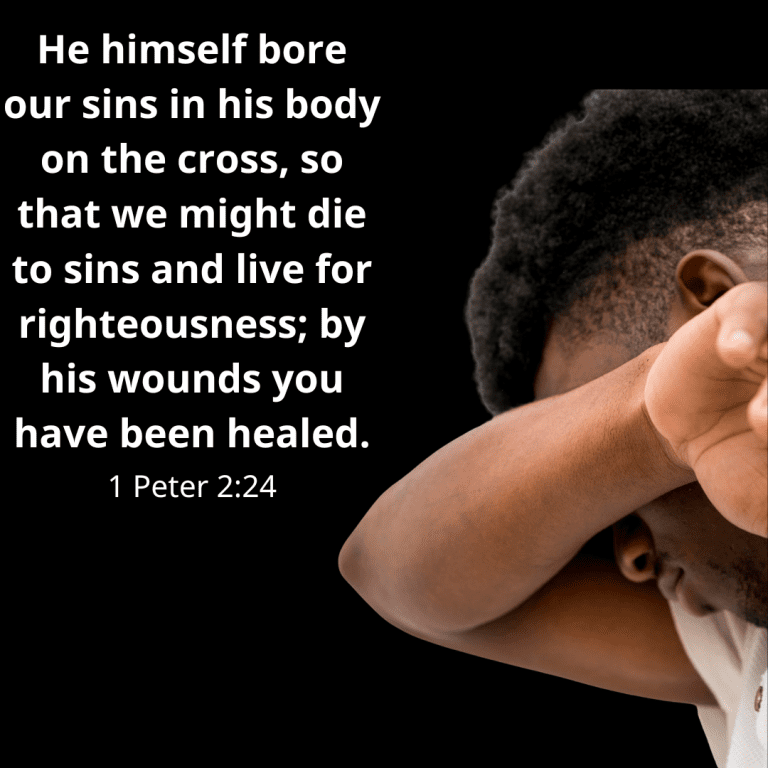
Healing, whether physical, emotional, or spiritual, is something everyone seeks at some point in life. In times of suffering, pain, or brokenness, the Bible offers comfort, hope, and promises of restoration. God is described as the Great Healer who mends our wounds and brings wholeness to every aspect of our lives. Scripture reminds us of God’s ability to restore not just the body, but also the heart, soul, and mind.
Here are seven Bible verses that speak to God’s healing power and offer encouragement for those in need of restoration.
1. Jeremiah 30:17
“But I will restore you to health and heal your wounds, declares the Lord.”
God’s promise in this verse is one of restoration. No matter how deep the wound or how severe the brokenness, God assures His people that He will bring healing. This verse serves as a reminder that nothing is too far gone for God to repair. His desire is to bring health and wholeness to His children, both physically and spiritually.
2. Psalm 147:3
“He heals the brokenhearted and binds up their wounds.”
While physical healing is important, God also tends to the brokenness in our hearts. When we feel crushed by life’s circumstances or overwhelmed by grief, He is near, offering comfort and healing. He binds up the wounds that no one else can see, restoring our inner peace.
3. James 5:14-15
“Is anyone among you sick? Let them call the elders of the church to pray over them and anoint them with oil in the name of the Lord. And the prayer offered in faith will make the sick person well; the Lord will raise them up.”
God invites His people to seek healing through prayer and the support of the community of believers. The act of calling on others to pray in faith demonstrates a trust in God’s ability to heal. This scripture reassures us that God hears and responds to prayers offered in faith.
4. Isaiah 53:5
“But he was pierced for our transgressions, he was crushed for our iniquities; the punishment that brought us peace was on him, and by his wounds we are healed.”
Through Christ’s suffering and death, spiritual healing is made possible for all. His wounds bring us salvation, and in that salvation, we find the ultimate healing for our souls. This verse serves as a reminder of the eternal healing that comes through Christ’s sacrifice.
5. Exodus 15:26
“He said, ‘If you listen carefully to the Lord your God and do what is right in his eyes, if you pay attention to his commands and keep all his decrees, I will not bring on you any of the diseases I brought on the Egyptians, for I am the Lord, who heals you.'”
God reveals Himself as “Jehovah Rapha,” meaning “the Lord who heals.” This verse underscores God’s power and desire to bring healing to His people. It is a reminder that God not only heals, but He also protects and preserves His people when they walk in obedience to His word.
6. Matthew 11:28-30
“Come to me, all you who are weary and burdened, and I will give you rest. Take my yoke upon you and learn from me, for I am gentle and humble in heart, and you will find rest for your souls. For my yoke is easy and my burden is light.”
True healing is found in coming to Him. When life’s burdens become overwhelming, Jesus offers rest and restoration for the soul. His gentleness and compassion bring peace and relief to those who are weary, making Him the source of ultimate healing for our emotional and spiritual struggles.
7. 1 Peter 2:24
“He himself bore our sins in his body on the cross, so that we might die to sins and live for righteousness; by his wounds you have been healed.”
Through Jesus’s death and resurrection, we are offered new life, free from the bondage of sin. The healing referred to here is both spiritual and physical, pointing to the completeness of the restoration that Jesus offers.
Conclusion
Healing is a multifaceted process that touches every aspect of our being—our bodies, minds, hearts, and spirits. These verses remind us of God’s deep care and His promise to heal us in every way. Whether we are seeking relief from physical illness, emotional pain, or spiritual brokenness, the Bible assures us that God is the Great Healer, and His power is available to those who seek Him.
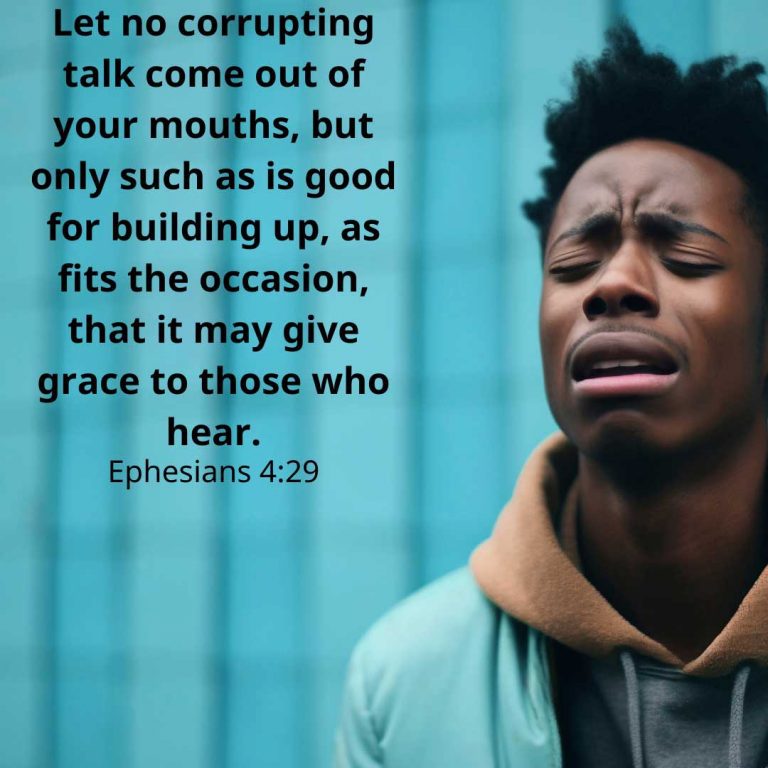
The Bible is rich with wisdom regarding the power of our words. Throughout Scripture, we are reminded that the tongue—though small—holds the capacity to uplift, destroy, heal, or harm. The words we speak can shape destinies, mend relationships, or cause deep wounds. Let’s explore seven Bible verses that illuminate the profound power of the tongue.
1. Proverbs 18:21 – “Death and life are in the power of the tongue, and those who love it will eat its fruits.”
The words we choose to speak can bring encouragement, love, and healing, or they can cause hurt, division, and destruction. The “fruits” we reap from our words reflect their power—whether for good or ill.
2. James 3:5-6 – “So also the tongue is a small member, yet it boasts of great things. How great a forest is set ablaze by such a small fire! And the tongue is a fire, a world of unrighteousness.”
Although it is a small part of the body, the tongue can cause significant harm, much like a small spark can ignite an entire forest fire. James warns believers of the dangers of careless speech, reminding us that words can spread like wildfire, causing damage that can be difficult to undo.
3. Proverbs 12:18 – “There is one whose rash words are like sword thrusts, but the tongue of the wise brings healing.”
Words spoken in haste or anger can cut deeply, inflicting pain and damage similar to physical wounds. Conversely, wise and thoughtful words can bring comfort, peace, and restoration, highlighting the importance of controlling our speech and choosing our words carefully.
4. Ephesians 4:29 – “Let no corrupting talk come out of your mouths, but only such as is good for building up, as fits the occasion, that it may give grace to those who hear.”
We are urged to avoid corrupting or harmful talk and instead speak in ways that edify and encourage others. Words have the power to build up or tear down, and we are encouraged to use our speech to impart grace and support to those around us.
5. Proverbs 15:4 – “A gentle tongue is a tree of life, but perverseness in it breaks the spirit.”
A gentle tongue, like a tree of life, offers nourishment, strength, and growth. In contrast, perverse or harsh speech can crush a person’s spirit, leading to discouragement and despair. The verse encourages us to speak with kindness and gentleness, fostering life and growth in others.
6. Matthew 12:36-37 – “I tell you, on the day of judgment people will give account for every careless word they speak, for by your words you will be justified, and by your words you will be condemned.”
Jesus’ words in Matthew are a sobering reminder of the accountability we have for our speech. Every word we speak—careless or otherwise—will be subject to judgment. Our words reflect our hearts, and they play a role in our justification or condemnation. This verse underscores the importance of being mindful of our speech, knowing that it has eternal consequences.
7. Proverbs 16:24 – “Gracious words are like a honeycomb, sweetness to the soul and health to the body.”
Words that are kind, loving, and considerate are likened to honeycomb—sweet and nourishing, bringing joy and health to both the speaker and the listener. The verse encourages us to speak in ways that bring sweetness and well-being to others, reflecting the love and grace of God through our words.
Conclusion
The Bible consistently teaches that the tongue, though small, wields immense power. It can bring life or death, healing or harm, joy or sorrow. As followers of Christ, we are called to use our words wisely, to speak life, and to reflect God’s love through our speech. By guarding our tongues and choosing our words carefully, we can positively influence those around us and honor God with our speech.