
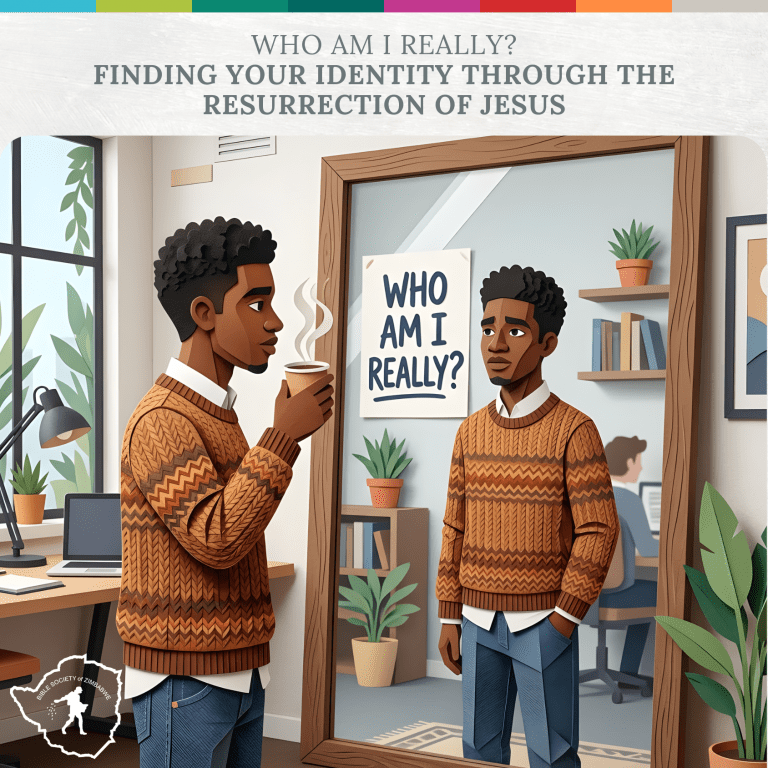
“Be yourself.”
“Find your truth.”
“Live your best life.”
We hear these phrases everywhere on TikTok, Instagram, YouTube, and in everyday conversations. But here’s the real question many young people are quietly asking:
Who am I really… beyond likes, followers, grades, mistakes, and expectations?
Easter isn’t just about chocolate eggs and long weekends. It’s about something way deeper identity. And surprisingly, the resurrection of Jesus speaks directly into your search for who you really are.
1. The Identity Crisis Is Real
Let’s be honest.
One day you feel confident.
The next day you feel invisible.
One post does well, you feel worthy.
Another flops, suddenly you’re questioning yourself.
So many young people are building their identity on:
- Social media validation
- Relationships
- Academic success
- Physical appearance
- Other people’s opinions
But the problem with these things?
They change. They fail. They leave.
The Bible reminds us:
“Why are you in despair, my soul? Why so disturbed within me?” — Psalm 42:11 (NIV)
That verse could easily be today’s Instagram caption. It shows that feeling lost, confused, or empty isn’t new. But Easter brings an answer we often overlook.
2. Easter Is About More Than a Comeback Story
Jesus didn’t just die and rise again for history books.
He did it to give you a new identity.
“Therefore, if anyone is in Christ, the new creation has come: The old has gone, the new is here!” — 2 Corinthians 5:17 (NIV)
That means:
- You are not your past mistakes
- You are not your worst moment
- You are not what people said about you
- You are not your trauma or failures
Through Jesus’ resurrection, God offers you a fresh start, not just spiritually, but personally.
3. You Are Chosen, Not Random
So many people feel like accidents.
Like they don’t really matter.
Like nobody would notice if they disappeared.
But Easter says otherwise.
“You did not choose me, but I chose you and appointed you so that you might go and bear fruit.” — John 15:16 (NIV)
Read that again slowly.
God chose you. On purpose.
Your life isn’t random. Your existence isn’t a mistake. You were created with intention, value, and meaning, and the resurrection proves that God went to extreme lengths just to bring you back to Him.
4. Your Worth Was Settled at the Cross
In today’s world, your worth feels like it’s always being judged:
- By your body
- By your bank balance
- By your relationship status
- By your productivity
But the cross already settled your value.
“But God demonstrates his own love for us in this: While we were still sinners, Christ died for us.” — Romans 5:8 (NIV)
Jesus didn’t wait for you to become perfect.
He didn’t wait for you to fix yourself.
He didn’t wait for you to get your life together.
He died for you as you were.
That means your worth isn’t earned.
It’s given.
5. You Belong Before You Believe
Some people think they have to clean up their lives before coming to God.
But Easter flips that idea upside down.
“Yet to all who did receive him, to those who believed in his name, he gave the right to become children of God.” — John 1:12 (NIV)
You don’t work your way into God’s family.
You receive your way in.
And once you belong, your identity begins to change from the inside out.
6. Your Past Doesn’t Get the Final Word
Maybe you’ve messed up badly.
Maybe your reputation is ruined.
Maybe you feel like it’s too late for you.
The resurrection says: No, it’s not.
“He is not here; he has risen, just as he said.” — Matthew 28:6 (NIV)
If God can bring Jesus back from the dead, He can resurrect:
- Your broken dreams
- Your lost confidence
- Your damaged faith
- Your sense of purpose
Your story isn’t over yet.
7. So… Who Are You Really?
According to Easter, you are:
“See what great love the Father has lavished on us, that we should be called children of God!” — 1 John 3:1 (NIV)
Not just a student.
Not just a content creator.
Not just a worker.
Not just a “nobody.”
You are a child of God.
Chosen. Loved. Forgiven. Renewed.
Alive with purpose.
Identity That Doesn’t Expire
Trends fade.
People change.
Platforms crash.
Relationships break.
But the identity Jesus gives you through His resurrection never expires.
This Easter, maybe the real miracle isn’t just that Jesus rose from the dead…
…it’s that you can rise into who you were always meant to be.
Short Reflection Prayer
Jesus, thank You for loving me enough to die and rise again for me.
Help me stop building my identity on things that don’t last.
Teach me who I really am in You.
Amen.
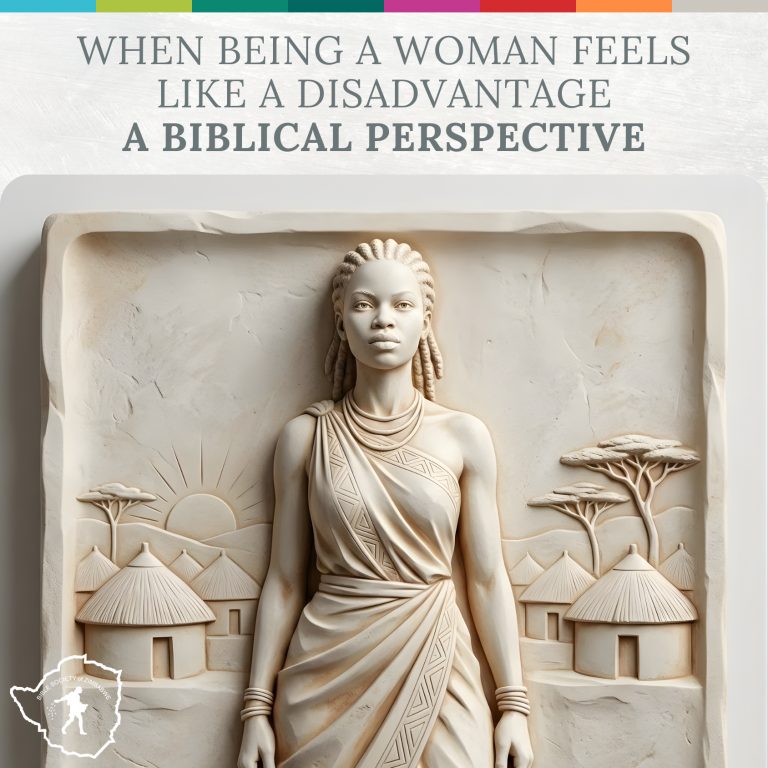
Many women, especially young women, quietly wrestle with this thought:
“Is being a woman a disadvantage?”
It can feel that way when:
- your voice is overlooked
- your abilities are doubted
- your safety feels fragile
- your value is reduced to appearance
- your timeline is controlled by social pressure
- your sacrifices go unnoticed
But Scripture tells a very different story. From the beginning, God established women with dignity, authority, purpose, and spiritual strength. Let’s walk through 7 Bible verses that speak directly to seasons when being a woman feels like a disadvantage.
1. Genesis 1:27 — Your Value Was Established at Creation
“So God created mankind in his own image, in the image of God he created them; male and female he created them.” (NIV)
Before society formed opinions about women, God formed identity. Both male and female were created in His image, equal in worth, equal in dignity, equal in spiritual value.
This means your value is not cultural, it is created. Not negotiated, declared. When the world minimizes women, creation itself speaks otherwise.
2. Judges 4:4–5 — God Raises Women Leaders
“Now Deborah, a prophet, the wife of Lappidoth, was leading Israel at that time.” (NIV)
Deborah was not hidden. She was not secondary. She was a national leader, judge, and prophet.
When leadership spaces feel closed to women, Deborah’s story reminds us: God is not limited by human bias. He appoints based on calling, not gender expectations.
Your leadership is not a mistake. Your voice is not out of place.
3. Psalm 139:14 — You Are Not a Design Error
“I praise you because I am fearfully and wonderfully made.” (NIV)
When being a woman feels like a burden instead of a blessing, this verse calls you back to truth: you are not an afterthought. Not an inferior version. Not a weaker model.
You are intentional design.
Your emotions, intuition, resilience, and nurturing strength are not flaws, they are features.
4. Luke 8:1–3 — Jesus Publicly Valued Women
“…the Twelve were with him, and also some women… These women were helping to support them out of their own means.” (NIV)
In a culture where women were often excluded, Jesus welcomed them into His mission circle. He taught them, traveled with them, and honored their contributions.
Jesus did not treat women as background characters, but as partners in purpose.
If you ever feel spiritually sidelined, remember: Jesus pulled women closer, not further away.
5. Proverbs 31:25 — Strength Is Feminine Too
“She is clothed with strength and dignity; she can laugh at the days to come.” (NIV)
Biblical womanhood is not a weakness. It is strength with dignity.
This woman is not fearful of the future, she faces it with confidence. Not because life is easy, but because her foundation is secure.
Strength is not unfeminine. Strength is biblical.
6. Galatians 3:28 — Your Spiritual Standing Is Equal
“There is neither Jew nor Gentile, neither slave nor free, nor is there male and female, for you are all one in Christ Jesus.” (NIV)
Before God, your access, inheritance, and spiritual identity are not limited by gender.
You are not spiritually second-class. Not spiritually delayed. Not spiritually restricted.
In Christ, you stand fully included.
7. John 20:16–18 — A Woman First Carried the Resurrection Message
Jesus said to her, “Mary.” … Mary Magdalene went to the disciples with the news: “I have seen the Lord!” (NIV)
The first recorded witness and messenger of the resurrection was a woman.
At the most important announcement in history, Jesus chose a woman to carry the news.
When the world questions whether women should speak, lead, or proclaim truth, the resurrection story answers clearly.
Final Encouragement: When It Feels Hard to Be a Woman
Yes, challenges women face are real. Inequality, pressure, vulnerability, and misunderstanding exist. But disadvantage is not destiny.
Biblically:
- Women are image-bearers
- Leaders
- Witnesses
- Supporters of mission
- Carriers of strength
- Voices of truth
- Chosen messengers
When being a woman feels like a disadvantage, remember, in God’s story, women are never optional. They are essential.
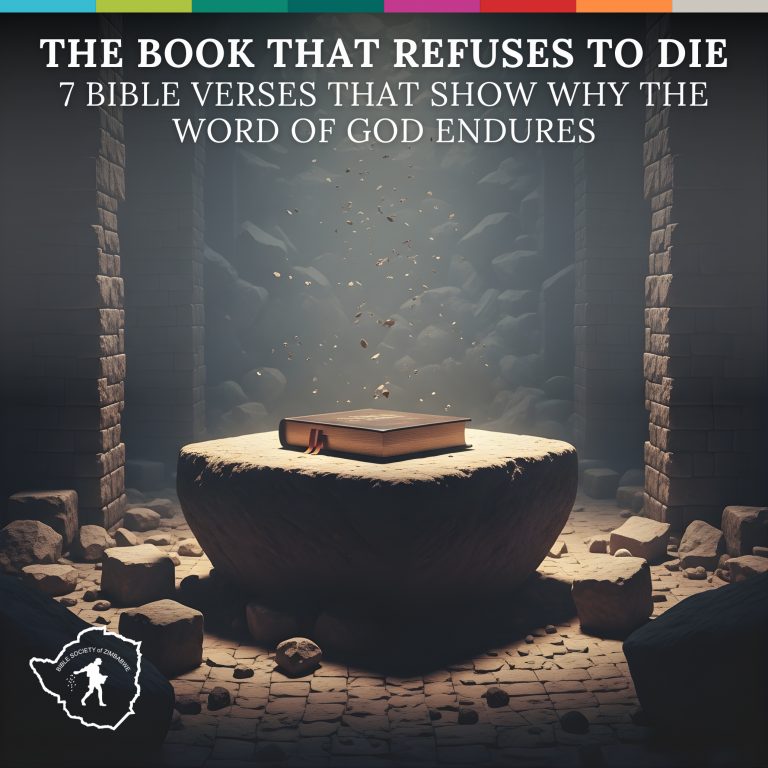
Empires have fallen. Generations have passed. Critics have risen and faded, yet the Bible endures.
It has been burned, banned, mocked, and misunderstood, but never defeated.
Why? Because the Word of God is alive, eternal, unbreakable, and unstoppable.
Here are seven Scriptures that reveal why the Bible continues to live on, changing hearts and shaping history.
1. Isaiah 40:8
“The grass withers, the flower fades, but the Word of our God will stand forever.”
Every kingdom that once stood in pride has fallen to dust, but the Word remains.
While human voices fade, God’s voice echoes through the ages, steady, sure, and eternal.
No time, trend, or technology can erase the truth He has spoken.
2. Matthew 24:35
“Heaven and earth will pass away, but my words will never pass away.”
Even as the world changes, languages evolve, cities crumble, and cultures shift, Jesus’ words remain timeless.
His promises still comfort the broken. His truth still challenges the proud.
His voice still calls hearts to life, generation after generation.
3. Hebrews 4:12
“For the Word of God is alive and active. Sharper than any double-edged sword…”
Unlike any other book, the Bible breathes.
It confronts, heals, and cuts deep to the heart.
That’s why it cannot die, because it’s living power, not lifeless ink.
Every time someone opens it, God speaks again.
4. Psalm 119:89
“Your word, Lord, is eternal; it stands firm in the heavens.”
Long before printing presses, before scrolls and screens, God’s Word was already established, eternal in heaven.
Its authority doesn’t depend on who believes it or prints it.
The Bible stands firm because it’s built on the very character of God Himself, unchanging and true.
5. 2 Timothy 3:16-17
“All Scripture is God-breathed and is useful for teaching, rebuking, correcting and training in righteousness…”
The Bible endures because it carries God’s breath, the same breath that gave life to humanity.
It teaches us, shapes us, and equips us to live with purpose.
Every verse is proof that God still speaks today.
6. 1 Peter 1:23
“For you have been born again, not of perishable seed, but of imperishable, through the living and enduring word of God.”
The Word not only survives, it multiplies.
Each person changed by Scripture becomes a living testimony of its power.
Persecution can’t destroy it; it only spreads it further.
Every Bible printed, every verse remembered, keeps the message alive.
7. John 1:1,14
“In the beginning was the Word, and the Word was with God, and the Word was God… The Word became flesh and made his dwelling among us.”
Ultimately, the Bible endures because the Word is Jesus Himself.
He is living proof that God’s message cannot be silenced.
Crucified, yet risen. Rejected, yet reigning.
The Word lives on because the Living Word still reigns.
Final Reflection
No fire can burn it out.
No empire can crush it.
No century can age it.
Because the Bible is more than a book, it is the breath of God written for humanity.
Truly, it is the Book that refuses to die.
Theme verse: “Do not merely listen to the word… Do what it says.” – James 1:22
We live in an age where we read a lot — from TikTok captions and Instagram stories to class notes and text messages. But here’s the catch: reading isn’t just about understanding the words on a screen or page — it’s about what those words do in you and through you.
The Bible isn’t meant to be just read like a novel you close and put away. It’s God’s living Word — meant to shape your choices, your relationships, and your future.
Here are 7 Bible verses that show what it means to Read It, Live It.
1. James 1:22 – “Do not merely listen to the word, and so deceive yourselves. Do what it says.”
It’s like watching a hundred “how to work out” videos but never actually exercising. The results don’t come from watching — they come from doing. The Bible works the same way. Reading God’s Word without applying it is like reading a recipe and never cooking the meal. When you actually live what you read — forgiving someone, helping a friend, refusing gossip — that’s when change happens.
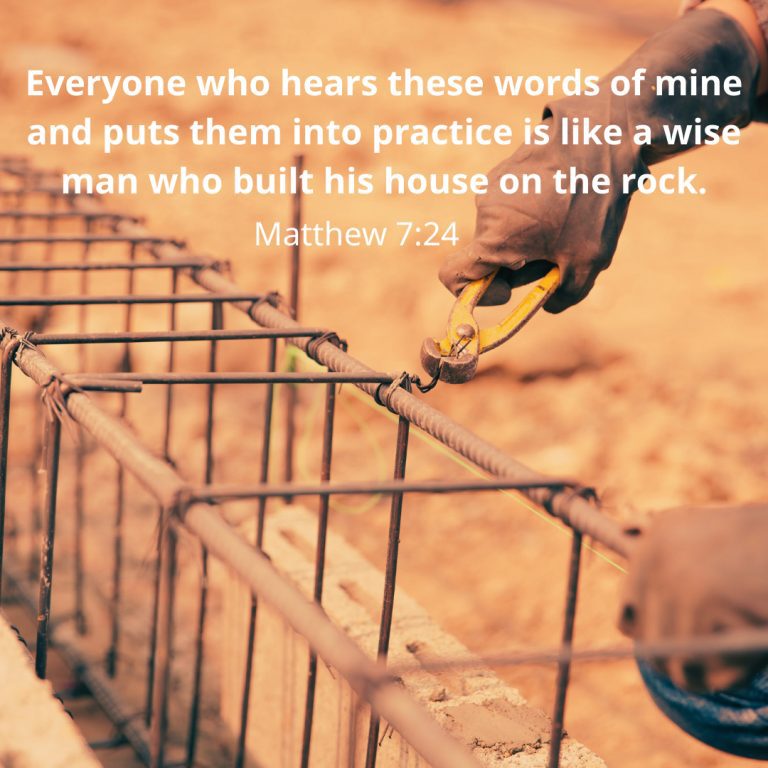
2. Matthew 7:24 – “Everyone who hears these words of mine and puts them into practice is like a wise man who built his house on the rock.”
Think of building your life like setting up a phone with strong security — you want something that lasts, not something that collapses at the first hack or crash. Jesus says when you do His Word, you’re building on a foundation that won’t fail when storms hit — breakups, stress, exams, or disappointments.
3. Psalm 119:105 – “Your word is a lamp to my feet and a light to my path.”
Walking in the dark without your phone’s flashlight? Risky. You might trip or get lost. God’s Word lights up your life decisions — it’s your navigation system when you don’t know which direction to go. But the light only helps if you follow it, not if you just admire how bright it is.
4. Joshua 1:8 – “Keep this Book of the Law always on your lips; meditate on it day and night, so that you may be careful to do everything written in it.”
Ever had a song stuck in your head all day? That’s what meditating on Scripture is like — keeping it so close in your mind and heart that it naturally comes out in your words and actions. Joshua’s success came from not just knowing God’s Word but letting it shape every decision.
5. Luke 11:28 – “Blessed rather are those who hear the word of God and obey it.”
We all want to be “blessed” — a happy life, peace, purpose. Jesus flips the idea: blessing comes not from luck, but from obedience. It’s not just what you know from the Bible, but what you do with it, that leads to a life that feels full.
6. Colossians 3:16 – “Let the message of Christ dwell among you richly as you teach and admonish one another with all wisdom…”
Imagine having a playlist so good you can’t help but share it. When God’s Word “dwells” in you, it naturally spills out into conversations, advice to friends, encouragement to someone going through a rough time. You’re not just a reader — you’re a living speaker of hope.
7. John 13:17 – “Now that you know these things, you will be blessed if you do them.”
Knowing and doing are two different games. You can know all the Bible verses about love and still treat people badly. Jesus says blessing comes when you actually live out what you know — when your faith is visible in your kindness, patience, honesty, and courage.
Final Challenge
The Bible is more than a historical text or a spiritual checklist. It’s like your life’s power bank — but it only charges you if you connect and use it. This World Literacy Day, don’t just read God’s Word to tick a box. Read it, live it, and watch it change you — and the world around you.

In the rural villages of Nkayi District, Matebeleland North Province, a brilliant young boy named Jotham Masuku was born. From an early age, his intelligence shone brightly in school, earning him admiration from teachers and peers alike. But in 2011, when he was in Grade 5, his world began to change. Slowly, his vision blurred, and day by day, he found himself struggling to read the very books that once ignited his dreams. The diagnosis was devastating—Jotham was losing his sight.
As his condition worsened, school became impossible, and he was forced to drop out. The pain of leaving behind his education weighed heavily on him, but it was nothing compared to the confusion and sorrow that engulfed his family. In their village, people whispered, suspecting witchcraft. How could a boy so gifted suddenly lose his sight? His parents were heartbroken, struggling to accept this new reality, and Jotham himself felt lost, trapped in a darkness he never imagined.
Two years later, a glimmer of hope appeared. Jotham traveled to Bulawayo to visit relatives, a change of scenery that he desperately needed. It was there that he met Brighton Ndebele, a fellow visually impaired young man who introduced him to a new possibility—Capota School for the Blind. Brighton spoke of the school with passion, explaining how it was transforming lives and offering visually impaired students a chance at education. For the first time in years, Jotham felt a spark of hope. With Brighton’s help, he applied for a place, and soon, he was accepted.
At Capota, a new chapter began. Jotham immersed himself in learning braille, and though the journey was challenging, he embraced it wholeheartedly. Day by day, he grew more confident, and the same intelligence that had once set him apart in his village now propelled him forward. He excelled in his studies, passed his primary level, and continued to secondary school. Against all odds, he passed eight subjects, including mathematics—a subject many deemed impossible for someone without sight.
But Jotham’s journey was not just about academics. Through it all, his faith in God remained unwavering. He found solace in scripture, especially in the braille portions provided by the Bible Society of Zimbabwe. The words of the Bible reassured him, giving him strength to navigate his journey. He and his family found peace in the story of the man born blind in the book of John—realizing that sometimes, challenges come not as a curse, but as a way for God’s glory to be revealed. “Neither this man nor his parents sinned,” said Jesus, “but this happened so that the works of God might be displayed in him” (John 9:3, NIV).
Today, Jotham stands tall—not as a victim of circumstance, but as a beacon of hope. He dreams of becoming a pastor, using his voice to inspire others. Beyond preaching, he is also a poet and a master of ceremonies, proving that disability is not the end of a person’s potential.
Reflecting on his journey, Jotham shares a powerful message: “Disability is not the end of life. Be strong and courageous. Education is a tool, not just for the sighted but for everyone. We are not meant to be beggars in the streets—we are meant to shape the future. Disability cannot destroy your destiny unless you let it.”
Anchored in Revelation 3:18, ‘Buy from me gold refined in the fire, so you can become rich…’ Jotham knows he has been tested, but he has emerged stronger. His story is not just one of survival—it is a testimony of triumph. Through faith, perseverance, and the right support, he has defied expectations, proving that no obstacle is insurmountable when God walks beside you.
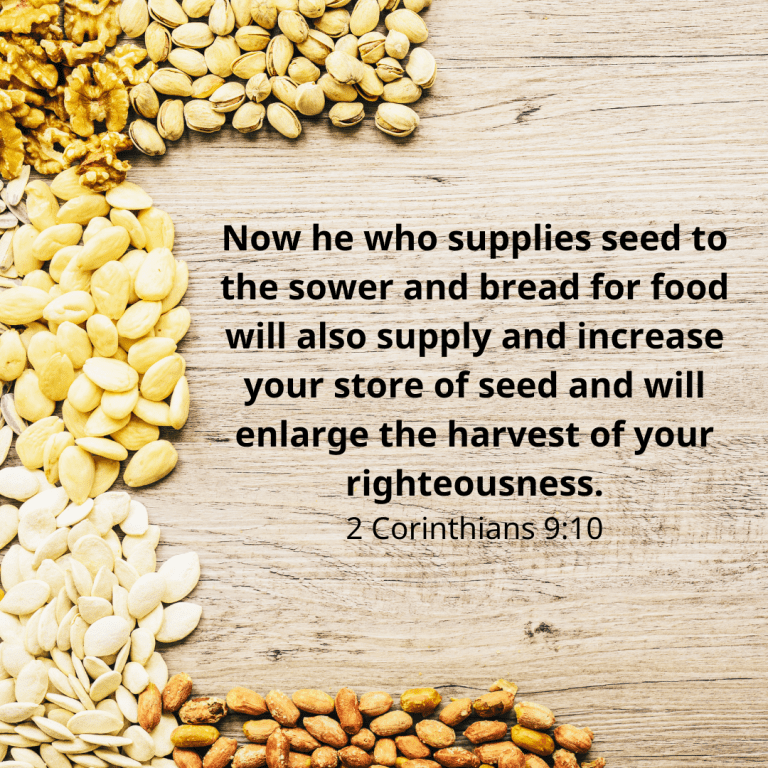
The season of harvest is a time of gratitude, reflection, and abundance. For farmers, it signifies the end of a season of hard work, when crops are gathered, and the fruits of labor are celebrated. Spiritually, it reminds us of God’s faithfulness and the importance of sowing seeds of righteousness in our lives. The Bible speaks of harvest not just as an agricultural event but as a symbol of spiritual growth, provision, and God’s blessings.
Here are seven Bible verses that reflect the beauty, meaning, and significance of harvest time:
1. Galatians 6:9
“Let us not become weary in doing good, for at the proper time we will reap a harvest if we do not give up.”
Just as the harvest comes after a season of hard labor, our spiritual harvest will come if we remain steadfast in our efforts to live righteously. God’s timing is perfect, and we must trust that our diligence will bear fruit.
2. Matthew 9:37-38
“Then he said to his disciples, ‘The harvest is plentiful but the workers are few. Ask the Lord of the harvest, therefore, to send out workers into his harvest field.’”
Here, Jesus calls on us to be workers in this field, sharing the good news of salvation and helping to bring others into the kingdom of God. Harvest time is not just about receiving but also giving — sharing God’s love with the world.
3. Psalm 126:5-6
“Those who sow with tears will reap with songs of joy. Those who go out weeping, carrying seed to sow, will return with songs of joy, carrying sheaves with them.”
We may endure seasons of sorrow, but God promises that those who faithfully sow, even through hardship, will one day reap a harvest of joy. There is hope in the midst of trials, and the harvest will be a time of celebration.
4. Proverbs 10:5
“He who gathers crops in summer is a prudent son, but he who sleeps during harvest is a disgraceful son.”
Just as a farmer must be attentive during the harvest to gather his crops, we must be alert and ready to seize the spiritual opportunities that God places before us. Laziness and neglect lead to missed blessings, but diligence ensures that we reap the benefits of our labor.
5. 2 Corinthians 9:10
“Now he who supplies seed to the sower and bread for food will also supply and increase your store of seed and will enlarge the harvest of your righteousness.”
God is the provider of all things, and He ensures that those who sow will have what they need to reap a harvest. Not only does He provide materially, but He also increases the harvest of righteousness in our lives, enabling us to grow in character, faith, and good works. Our trust in God’s provision is important to experiencing His abundance.
6. James 3:18
“Peacemakers who sow in peace reap a harvest of righteousness.”
When we sow seeds of peace and righteousness, we reap a harvest of goodness and integrity. Just as the farmer carefully chooses what to plant, we must be mindful of the seeds we sow in our relationships and daily actions.
7. John 4:35
“Don’t you have a saying, ‘It’s still four months until harvest’? I tell you, open your eyes and look at the fields! They are ripe for harvest.”
The time for action is now, not later. The fields are ripe, and God is calling us to step into His work, sharing His love and truth with those who are ready to receive it. There is an urgency in the harvest, and we are called to respond.
Conclusion
Harvest time is a powerful reminder of God’s faithfulness and the spiritual principles of sowing and reaping. Whether we are harvesting crops or gathering the fruits of our spiritual labor, we are called to trust in God’s provision and timing. As we reflect on these Bible verses, may we be inspired to continue sowing seeds of righteousness, peace, and faithfulness, knowing that in due season, we will reap a bountiful harvest.
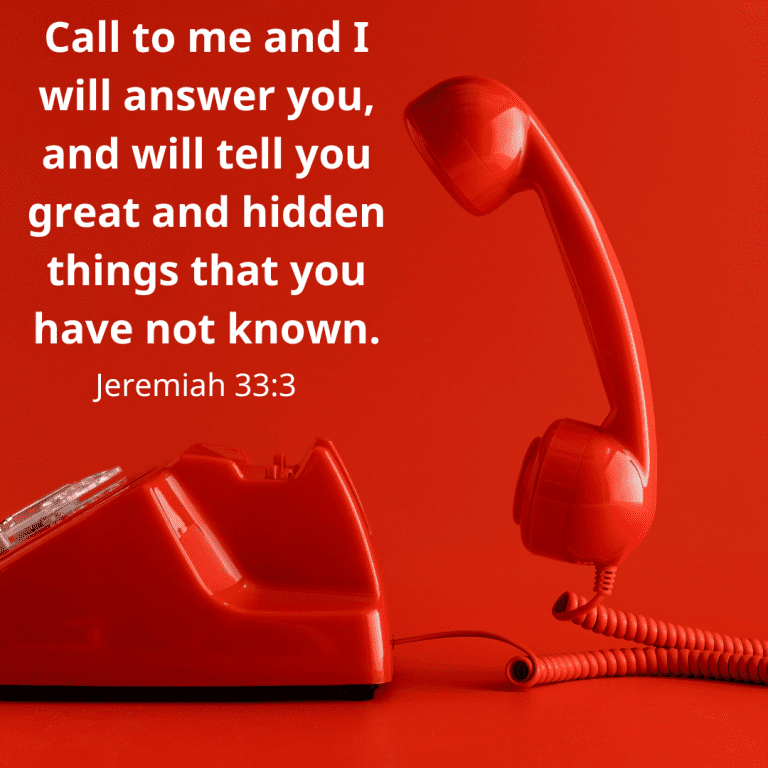
Hearing the voice of God is a central theme throughout Scripture. From the gentle whisper to the thunderous proclamation, God’s voice guides, comforts, and instructs His people. Understanding how to hear His voice is crucial for anyone seeking to follow His will. Here are seven Bible verses that highlight the importance of hearing and recognizing God’s voice.
1. John 10:27 – “My sheep hear my voice, and I know them, and they follow me.”
Jesus uses the metaphor of sheep and a shepherd to describe the relationship between Himself and His followers. Just as sheep recognize and respond to the voice of their shepherd, believers are called to recognize and follow the voice of Jesus. Hearing God’s voice is not just about recognition, but also about obedience. When we truly hear Him, we follow where He leads.
2. 1 Kings 19:11-12 – “And after the earthquake a fire, but the Lord was not in the fire. And after the fire the sound of a low whisper.”
God’s voice is not always found in the loud and dramatic. Instead, He often speaks in a “low whisper” or “still small voice.” Be still and quiet your hearts, creating space to hear the subtle yet profound voice of God. It teaches us that God often communicates in ways that require us to listen carefully and attentively.
3. Isaiah 30:21 – “And your ears shall hear a word behind you, saying, ‘This is the way, walk in it,’ when you turn to the right or when you turn to the left.”
God provides guidance, even in the midst of uncertainty. As we navigate life’s decisions, God’s voice directs us, showing us the right path. This promise of divine guidance encourages us to trust that God will speak to us when we need direction, leading us on the path He has set before us.
4. Psalm 46:10 – “Be still, and know that I am God. I will be exalted among the nations, I will be exalted in the earth!”
In the busyness and noise of life, it can be challenging to discern God’s voice. However, by intentionally being still and acknowledging His sovereignty, we create an environment where we are more likely to hear Him speak. Stillness allows us to focus on God and tune in to His voice.
5. Hebrews 3:7-8 – “Therefore, as the Holy Spirit says, ‘Today, if you hear his voice, do not harden your hearts as in the rebellion, on the day of testing in the wilderness.’”
Hearing God’s voice requires not only listening but also being willing to act on what we hear. A hardened heart can prevent us from fully receiving God’s message and guidance. This verse calls us to be open and responsive to the Holy Spirit’s promptings.
6. Jeremiah 33:3 – “Call to me and I will answer you, and will tell you great and hidden things that you have not known.”
We are encouraged to seek God actively, knowing that He desires to reveal deep and profound truths to us. It emphasizes the relational aspect of hearing God’s voice, where we engage in dialogue with Him, confident that He will respond.
7. Revelation 3:20 – “Behold, I stand at the door and knock. If anyone hears my voice and opens the door, I will come in to him and eat with him, and he with me.”
Jesus stands at the door of our hearts, knocking and speaking. The invitation is clear: if we hear His voice and open the door, He will come in and fellowship with us. This verse highlights the personal and relational aspect of God’s communication, emphasizing that hearing His voice leads to deeper communion with Him.
Conclusion
Hearing the voice of God is a profound and essential part of the Christian life. These verses remind us that God speaks in various ways—sometimes in a whisper, sometimes in guidance, and always with a heart of love. To hear His voice, we must cultivate stillness, maintain a receptive heart, and be willing to respond in faith. As we do, we draw closer to God, following His lead and growing in our relationship with Him.
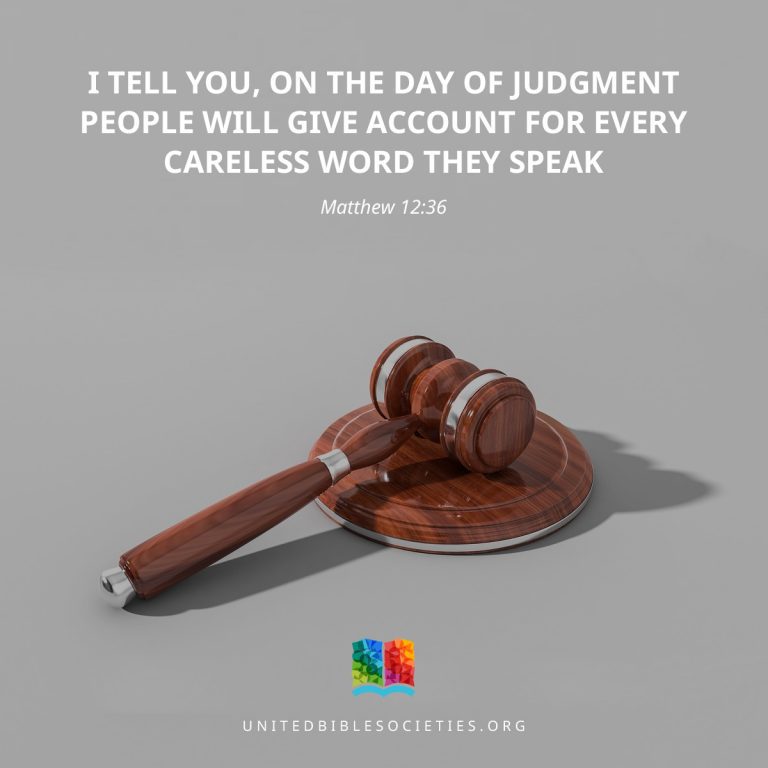
There is much discussion about the end times. When and how it is going to be. This post will direct you to some of the main points in the Bible about end times.
- Revelation 22:20-21 He who testifies to these things says, “Surely I am coming soon.” Amen. Come, Lord Jesus! The grace of the Lord Jesus be with all. Amen.
These are the last two verses of the Bible. The Bible ends with a promise. Jesus is coming back. The first time Jesus came as a humble servant. He will return as King of kings and Lord of lords.
- 2 Timothy 3:1 But understand this, that in the last days there will come times of difficulty.
Before Jesus comes back there will be times of difficulty, of tribulation. The Bible warns that people will be led astray and Christians will face much persecution. There are also warnings about wars and natural disasters.
- John 11:23-24 Jesus said to her, “Your brother will rise again.” Martha said to him, “I know that he will rise again in the resurrection on the last day.”
When Jesus comes back on the last day, the Bible speaks of the resurrection of the dead. Jesus showed that it is true by raising Lazarus from the dead after four days, just before going up to Jersualem for his death and resurrection.
- Matthew 12:36 I tell you, on the day of judgment people will give account for every careless word they speak
We will all stand before Jesus and be judged. We are all guilty of sin, from which we must repent and ask for forgiveness. It is by God’s grace we are forgiven.
- 2 Peter 3:13 But according to his promise we are waiting for new heavens and a new earth in which righteousness dwells.
The heaven and earth will be set on fire and dissolved. The Bible gives us a promise of a new heaven and a new earth.
- Revelation 21:4 He will wipe away every tear from their eyes, and death shall be no more, neither shall there be mourning, nor crying, nor pain anymore, for the former things have passed away.
For those with their name in the book of life, the new Jerusalem will come down from heaven and will dwell with God forever.
- Matthew 6:34 Therefore do not be anxious about tomorrow, for tomorrow will be anxious for itself. Sufficient for the day is its own trouble.
Although words of coming tribulation and judgement may worry you, do not worry about tomorrow. Christians are called to be lights in the world and share the Gospel today.
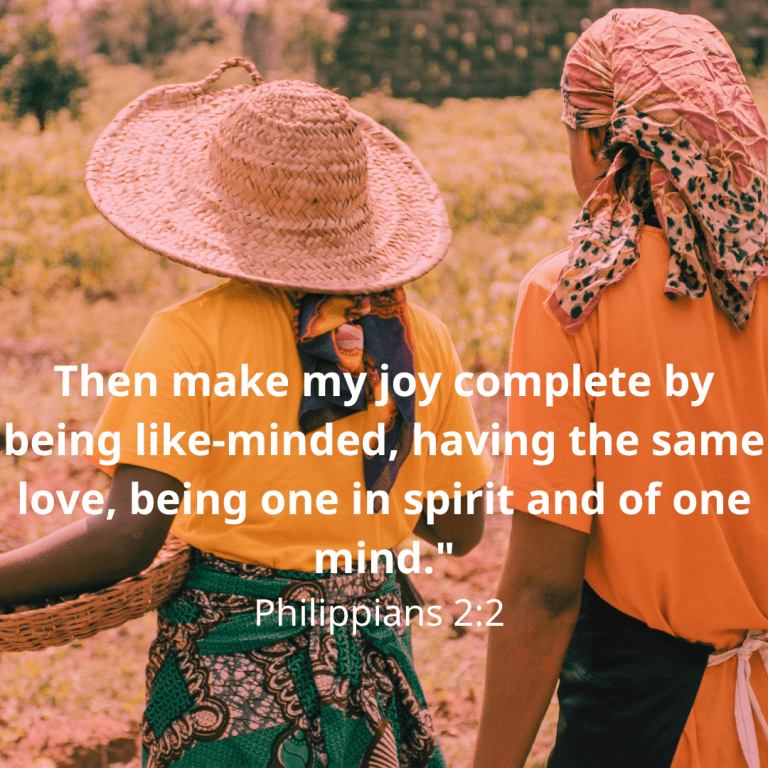
Unity is a fundamental principle deeply rooted in the Bible, emphasizing the strength, harmony, and spiritual growth that comes from being united in faith and purpose. Here are seven powerful Bible verses that highlight the importance of unity and the divine blessings that flow from it.
1. Psalm 133:1
“How good and pleasant it is when God’s people live together in unity!”
Unity among God’s people is seen as something good and pleasing, reflecting God’s desire for His followers to live in peace and mutual support.
2. John 17:22
I have given them the glory that you gave me, that they may be one as we are one.
Jesus emphasizes the importance of unity among His followers. He prays for believers to be united just as He is with the Father.
3. Ephesians 4:3
“Make every effort to keep the unity of the Spirit through the bond of peace.”
We are all part of one body with one hope, one Lord, one faith, and one God. We should therefore preserve this unity.
4. 1 Corinthians 1:10
“I appeal to you, brothers and sisters, in the name of our Lord Jesus Christ, that all of you agree with one another in what you say and that there be no divisions among you, but that you be perfectly united in mind and thought.”
God does not like divisions. Unity is essential for presenting a cohesive and powerful witness to the world.
5. Colossians 3:14
“And over all these virtues put on love, which binds them all together in perfect unity.”
Love is identified as the ultimate virtue that holds everything together in perfect unity.
6. Romans 12:5
So in Christ we, though many, form one body, and each member belongs to all the others.”
Unity in diversity means each one is important in their own way and we need each other in every way.
7. Philippians 2:2
Then make my joy complete by being like-minded, having the same love, being one in spirit and of one mind.”
Unity brings joy and completeness. We are all encouraged to cultivate a peaceful and loving community.
Do you know God’s grace? Here are 7 Bible verses to inspire you to understand this grace.
- Romans 3:23-24 for all have sinned and fall short of the glory of God, and are justified by his grace as a gift, through the redemption that is in Christ Jesus
To understand God’s grace, we have to acknowledge that we have done what is wrong in God’s eyes. We have sinned. We are in need of forgiveness and redemption.
- Ephesians 2:8-9 For by grace you have been saved through faith. And this is not your own doing; it is the gift of God, not a result of works, so that no one may boast.
God’s grace is a free gift that doesn’t depend on any good deeds you have done. God’s grace is for all who believe in Jesus Christ.
- James 4:6-7 But he gives more grace. Therefore it says, “God opposes the proud but gives grace to the humble.” Submit yourselves therefore to God. Resist the devil, and he will flee from you.
In humility we turn to God and confess that we have done wrong. In humility we receive God’s grace and he will lift us up.
- John 1:14 And the Word became flesh and dwelt among us, and we have seen his glory, glory as of the only Son from the Father, full of grace and truth.
God isn’t a distant God. He came to us and lived among us as one of us. Jesus is full of grace and truth.
- Hebrews 4:15-16 For we do not have a high priest who is unable to sympathize with our weaknesses, but one who in every respect has been tempted as we are, yet without sin. Let us then with confidence draw near to the throne of grace, that we may receive mercy and find grace to help in time of need.
You can come to Jesus, just as you are. He knows our weaknesses. Because of the grace of God, we are forgiven our sins.
- Titus 3:4-7 But when the goodness and loving kindness of God our Savior appeared, he saved us, not because of works done by us in righteousness, but according to his own mercy, by the washing of regeneration and renewal of the Holy Spirit, whom he poured out on us richly through Jesus Christ our Savior, so that being justified by his grace we might become heirs according to the hope of eternal life.
We don’t earn or deserve God’s grace by our good deeds, but it’s given according to God’s own mercy. By grace we are saved through our faith and even become heirs to the kingdom of God.
- Revelation 22:21 The grace of the Lord Jesus be with all. Amen.
This is the very last verse of the Bible and it reminds and expresses the wish for God’s grace be with you. “Amen” means “surely”, “truly” or “so be it.” We live by the hope and trust in God’s grace every day.
When you are feeling anxious or worried, it’s a good idea to go to the Bible. God knows our fears and worries, and the Bible has many words to lift us up, giving hope and relieving us of anxiety.
- Isaiah 41:13 For I, the Lord your God, hold your right hand; it is I who say to you, “Fear not, I am the one who helps you.”
You are not alone. God is here, He is with you. This is an important reminder because anxiety can be overwhelming. But God is here to help you.
- John 14:1 Let not your hearts be troubled. Believe in God; believe also in me.
God became a man, Jesus Christ, and lived as one of us. He knows your situation. Jesus reminds you to turn to him in faith.
- Psalm 34:4 I sought the LORD, and he answered me and delivered me from all my fears.
When you seek God, the Bible tells us that God will answer. Seek God with all your heart and he will deliver you from your fears.
- Psalm 94:19 When the cares of my heart are many, your consolations cheer my soul.
Anxiety can make your heart feel heavy and burdened. Read the Word of God and let God lift you up.
- Proverbs 29:25 The fear of man lays a snare, but whoever trusts in the LORD is safe.
Our fears try to bring us down and trap us. God is our refuge, he is our safe harbour. Put your trust in God.
- Colossians 3:15 And let the peace of Christ rule in your hearts, to which indeed you were called in one body. And be thankful.
When we let God into our hearts, there is peace. That peace isn’t just for ourselves, but for all who follow Jesus Christ.
- Romans 15:13 May the God of hope fill you with all joy and peace in believing, so that by the power of the Holy Spirit you may abound in hope.
We need to keep our faith in God. It can be hard when we are anxious. But ask people around you to pray for you.

How does the Bible view women? At face value, some of its messages and examples can seem oppressive or devaluing. But when you learn more about how Jesus responded to the Bible’s historical and cultural context, you may rethink your first impressions. Christ entered into a specific time and culture that had assumptions very different from ours. How can understanding the biblical context inform our reading? How can the context help us to better understand who Jesus is—what he values, loves, and expects of his followers? Take a look, traveling all the way back to the culture Jesus entered.
How the Greeks Viewed Women
Let’s begin with the philosophers. Writers and thinkers often infuse a culture with certain beliefs—and this was especially so in the Greco-Roman world. When examined closely, some of their ideas may seem surprisingly antiquated to the modern reader.
For example, the revered philosopher Plato believed that women should be confined to the home while men tended to the business of state and commerce. Aristotle went even further, teaching that women were inferior to men, incapable of abstract thought, and emotionally volatile. Thus husbands and fathers were to rule over their wives and daughters. This thinking reflects the basic attitude toward women during the classical period.
How did these attitudes affect a woman’s life? The picture is not a pretty one. A young Greek girl is routinely married off to an older man. Her husband is free to take a concubine, and romantic love is not expected within marriage. Her role is to bear and raise children and run the household. She will rarely leave the house. Her education is limited to learning domestic tasks. She is not permitted to vote or hold property. Why would she be? As Euripides the playwright notes, “A woman is handicapped by intellect.” Thucydides helps him along by writing, “The name of a decent woman, like her person, should be shut up in the house.”
How the Jews Viewed Women
By Jesus’s time Greek ideas—including these ideas about women—had gradually crept into Jewish culture, despite Old Testament writings to the contrary. In the creation account in Genesis, God creates human beings as both male and female, giving them co-equal stewardship over the earth (Genesis 1:26-30). Throughout the Old Testament, women are given equal access to God’s law and held equally responsible to keep it.
The Old Testament record is replete with women whose great courage often surpasses that of the men around them. The stories of Miriam, Rahab, Ruth, Deborah, Hannah, Abigail, and Esther are prime examples of women whose insight and fortitude greatly influence the biblical narrative and the way God’s people understood themselves.
The Jewish understanding of women was so affected by exile, conquest, and trade that by Jesus’s time women were discouraged from studying Torah, God’s law, and encouraged to stay home to fulfill household duties. They attended synagogue assemblies seated separately from the men. The Greek-educated Jewish philosopher Philo, a contemporary of Jesus, saw women as having weak judgment and considered them unfit to learn the law. Some rabbis even went so far as to encourage men to limit their conversations with their own wives. What was the point of talking to someone with little knowledge of the law?
How Jesus Viewed Women
Into this distortion of God’s original intent for women comes a new teacher, the rabbi called Jesus of Nazareth. What do we know about Jesus’s relationships with women? Did he hold the same opinions as his culture? Let’s take a look at a few of his encounters with women.
Jesus speaks to a Samaritan woman in public (John 4:4-30)
Jesus shocks the woman at the well by asking her for a drink. Thus he steamrolls over cultural taboos against men speaking to women as well as Jewish prejudice against Samaritans. “You are a Jew and I am a Samaritan woman. How can you ask me for a drink?”
Jesus then reveals himself to her as the Messiah and the giver of the living water for which she longs.
Jesus teaches a woman one-on-one (Luke 10:38-42)
Women were not expected to study Torah, yet this renegade rabbi singles out one woman and opens Scripture to her. Mary “sat down at the feet of the Lord and listened to his teaching.” This position was that of the traditional rabbinic student.
When her sister complains about needing help, Jesus tells her that “Mary has chosen what is better, and it will not be taken away from her.”
Jesus comforts a widow and confronts death (Luke 7:11-17)
“Don’t cry,” Jesus says to a grieving widow whose son lies dead in his coffin. He touches the coffin, defying ceremonial law. Jaws drop in amazement as the young man sits up and begins to speak. Jesus gives the widow’s son back to her, alive and well.
Jesus touches an “unclean” woman (Luke 8:43-48)
Ceremonially unclean due to a chronic hemorrhage, a woman touches the hem of Jesus’ cloak. “Daughter,” Jesus speaks tenderly. “Your faith has healed you. Shalom.”
Jesus touches an infirm woman (Luke 13:10-16)
The religious leaders object to Jesus’s laying his healing hands on a crippled woman on the Sabbath.
“You hypocrites!” Jesus does not mince words. “Any one of you would untie your ox or your donkey from the stall and take it out to give it water on the Sabbath.Now here is this descendant of Abraham whom Satan has kept in bonds for eighteen years; should she not be released on the Sabbath?”
Jesus deals with a woman caught in adultery (John 8:1-11)
The woman’s accusers are silenced by Jesus’s words, “Whichever one of you has committed no sin may throw the first stone at her.” But he is gentle in his conversation with her.
Jesus allows Mary to anoint him (John 12:1-8)
When people are horrified at Mary’s extravagant outpouring of love, Jesus silences them all. Rather than rebuking her for touching him in this intimate way, he lavishes high praise on her. “Leave her alone; she’s anointing me for burial. This story will be told wherever the Gospel is preached.”
Jesus appears first to a woman after his Resurrection (John 20:11-18)
Although women were considered to be unreliable witnesses in court, Jesus assigns Mary Magdalene the task of being the first witness to the Resurrection.
Scripture’s Good News for Women
So what did Jesus really think of women? Did he touch them? Did he talk with them? Did he teach them? Did he give equal moral standing with men? Did he value them?
The record speaks for itself. First-century women in Palestine were second-class citizens. Sadly, some church leaders have still viewed and treated women in this way. But Jesus turned the tables on his culture, and his example calls us to do the same. Again and again, Jesus affirmed women’s value and dignity.
As the apostle Paul affirms in Galatians 3:26-28 (NIV): “So in Christ Jesus you are all children of God through faith, for all of you who were baptized into Christ have clothed yourselves with Christ. There is neither Jew nor Gentile, neither slave nor free, nor is there male and female, for you are all one in Christ Jesus.”
Easter is a time of deep reflection and celebration. It reminds us of Jesus’ sacrifice and the incredible gift of salvation we have through His death and resurrection. The cross is more than a symbol—it is the turning point of history, where love overcame sin and life triumphed over death. Let’s explore seven key Bible verses that reveal the power and meaning of the cross.
1. The Cross Shows God’s Love
“But God has shown us how much he loves us—it was while we were still sinners that Christ died for us!” – Romans 5:8 (GNT)
The cross is the greatest proof of God’s love. Jesus didn’t wait for us to be perfect; He gave His life while we were still lost in sin. His love is unconditional, reaching out to everyone, no matter their past.
2. The Cross Brings Forgiveness
“He canceled the unfavorable record of our debts with its binding rules and did away with it completely by nailing it to the cross.” – Colossians 2:14 (GNT)
Because of Jesus, our sins are wiped clean. The cross is where our burdens are lifted, where guilt is removed, and where we receive complete forgiveness. No sin is too great for God’s mercy!
3. The Cross Brings Peace
“And God was pleased for him to make peace by sacrificing his blood on the cross, so that all beings in heaven and on earth would be brought back to God.” – Colossians 1:20 (GNT)
Sin separated us from God, but the cross restored our relationship with Him. Through Jesus’ sacrifice, we are no longer enemies of God but His beloved children.
4. The Cross Gives Us New Life
“Anyone who is joined to Christ is a new being; the old is gone, the new has come.” – 2 Corinthians 5:17 (GNT)
The cross is not the end—it is the beginning of new life. Jesus’ death and resurrection open the door for us to be transformed, leaving behind our past and stepping into a new identity in Christ.
5. The Cross Gives Us Victory
“And on the cross Christ freed himself from the power of the spiritual rulers and authorities; he made a public spectacle of them by leading them as captives in his victory procession.” – Colossians 2:15 (GNT)
What seemed like a defeat was actually a victory! On the cross, Jesus overcame sin, death, and the powers of darkness. Because of Him, we can walk in freedom, knowing that no force of evil can separate us from God.
6. The Cross is a Call to Follow
“Then Jesus said to his disciples, ‘If any of you want to come with me, you must forget yourself, carry your cross, and follow me.'” – Matthew 16:24 (GNT)
Jesus invites us to take up our cross—not to suffer as He did, but to surrender fully to God’s will. True discipleship means letting go of selfish desires and living a life that honors Him.
7. The Cross Gives Us Eternal Life
“For God loved the world so much that he gave his only Son, so that everyone who believes in him may not die but have eternal life.” – John 3:16 (GNT)
The cross is the bridge to eternal life. Jesus’ sacrifice was not just for this world, but for eternity. Through Him, we have the promise of life that never ends—a life in the presence of God forever.
Conclusion: Embracing the Power of the Cross
As we celebrate Easter, let’s not just remember the cross—let’s live in the power of what Jesus accomplished. The cross brings love, forgiveness, peace, new life, victory, and the hope of eternity.
This Easter, may we draw closer to Christ, embracing the fullness of His sacrifice and the joy of His resurrection. He is risen! Hallelujah!
When you think about Christmas gifts, what comes to mind? Maybe it’s the latest gadgets, trendy clothes, or even a heartfelt handmade card. But long before Christmas became about shopping sprees and wish lists, it was all about the gift, Jesus Christ. The OG. The original gift that redefined love, hope, and salvation. Let’s dive into why Jesus’ birth is the ultimate present we didn’t know we needed.
The Gift That Keeps on Giving
“For God so loved the world that He gave His one and only Son, that whoever believes in Him shall not perish but have eternal life” (John 3:16). Think about it: God sent Jesus not as a temporary fix but as a forever solution. Unlike gifts that break, get outdated, or lose their shine, Jesus’ impact is eternal. He offers us salvation, forgiveness, and a direct connection to God—no expiration date, no strings attached.
Wrapped in Humility
Jesus didn’t arrive with fanfare or luxury. No royal palace, no red carpet, not even a proper guest room. Instead, He was born in a manger, surrounded by animals and the humblest of circumstances Luke 2:7; “and she gave birth to her firstborn, a son. She wrapped him in cloths and placed him in a manger, because there was no guest room available for them”. Imagine expecting a king and getting a baby in a barn! Yet, this humble entrance shows us that God’s greatest gifts often come in unexpected packages. It’s a reminder that we don’t need glitz and glamour to experience God’s blessings.
The Priceless Gift
Here’s the thing: Jesus is free. You don’t have to work for Him, earn Him, or deserve Him. Romans 6:23 puts it plainly: “For the wages of sin is death, but the gift of God is eternal life in Christ Jesus our Lord.” Jesus paid the ultimate price on the cross so that we could freely receive the gift of grace. No amount of good deeds or fancy wrapping could ever compare to what He’s already done.
How to Receive the Gift
Opening a gift is easy: you just take it. The same goes for Jesus. He’s already been given; all you need to do is accept Him. Romans 10:9 says, “If you declare with your mouth, ‘Jesus is Lord,’ and believe in your heart that God raised Him from the dead, you will be saved.” This Christmas, amidst all the unwrapping, take a moment to open your heart to the greatest gift of all.
Paying It Forward
Jesus’ gift wasn’t just for you; it’s for everyone. Just like the shepherds who couldn’t keep the good news to themselves (Luke 2:17-18), When they had seen him, they spread the word concerning what had been told them about this child, and all who heard it were amazed at what the shepherds said to them. ,we’re called to share the joy. This could look like acts of kindness, sharing the gospel, or simply loving others the way Jesus loves us. When we give selflessly, we’re reflecting God’s heart and reminding the world of the true meaning of Christmas.
The Bottom Line
Jesus is the OG Christmas gift, the ultimate expression of love, hope, and redemption. While the gifts under the tree are nice, none of them compare to the one God gave us over 2,000 years ago. So this Christmas, let’s remember to celebrate the original gift that changed everything. Because honestly? He’s the only gift we’ll ever truly need.
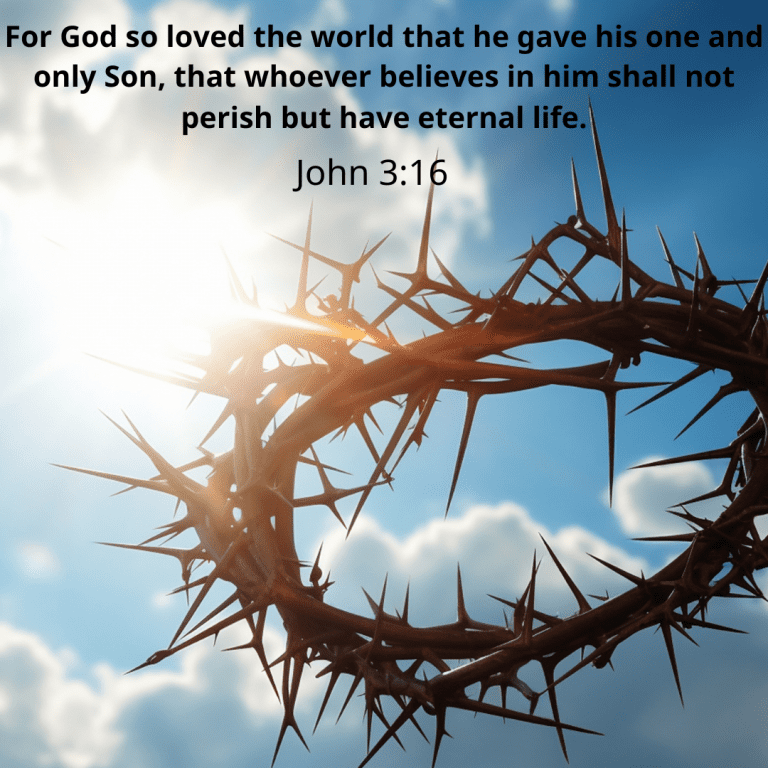
“For God so loved the world that he gave his one and only Son, that whoever believes in him shall not perish but have eternal life.” – John 3:16
The Magi’s gifts remind us of the greatest gift of all, Jesus Christ. God gave His Son for us, not because we deserved it, but because He loves us deeply. How does Jesus’ gift inspire your giving? Are you reflecting His love in how you give to others?
Spend time thanking God for His gift of Jesus. As you do, think of one way you can share His love with someone who needs hope or encouragement this season.
Prayer:
Heavenly Father, thank You for the greatest gift of all, your Son, Jesus Christ. Through Him, You showed us the ultimate example of love and generosity. Help me to share this gift with others, not just through words but through my actions and giving. Let my life be a reflection of Your love. Amen.
Wrap-Up: Becoming a Wise Giver
The Magi’s story is a reminder that giving is about more than presents, it’s about the heart. When you give with meaning, humility, and purpose, you reflect the love of Christ.
As you finish this plan, commit to giving wisely this Christmas. Let your gifts—whether time, encouragement, or resources, point others to the greatest gift of all: Jesus Christ.
7 Bible Verses On The Power of The Cross
Easter is a time of deep reflection and celebration. It reminds us of Jesus' sacrifice and the incredible gift of salvation we have through His death and resurrection. The cross is more than a symbol—it is the turning point of history, where love overcame sin and life triumphed over death. Let’s explore seven key Bible verses that reveal the power and meaning of the cross.
Jesus: The OG Christmas Gift
Jesus is the OG Christmas gift, the ultimate expression of love, hope, and redemption. While the gifts under the tree are nice, none of them compare to the one God gave us over 2,000 years ago. So this Christmas, let’s remember to celebrate the original gift that changed everything. Because honestly? He’s the only gift we’ll ever truly need.
Jesus: God’s Gift to Us
The Magi’s story is a reminder that giving is about more than presents, it’s about the heart. When you give with meaning, humility, and purpose, you reflect the love of Christ. As you finish this plan, commit to giving wisely this Christmas. Let your gifts—whether time, encouragement, or resources, point others to the greatest gift of all: Jesus Christ.
Easter is a time of deep reflection and celebration. It reminds us of Jesus' sacrifice and the incredible gift of salvation we have through His death and resurrection. The cross is more than a symbol—it is the turning point of history, where love overcame sin and life triumphed over death. Let’s explore seven key Bible verses that reveal the power and meaning of the cross.
Jesus is the OG Christmas gift, the ultimate expression of love, hope, and redemption. While the gifts under the tree are nice, none of them compare to the one God gave us over 2,000 years ago. So this Christmas, let’s remember to celebrate the original gift that changed everything. Because honestly? He’s the only gift we’ll ever truly need.
The Magi’s story is a reminder that giving is about more than presents, it’s about the heart. When you give with meaning, humility, and purpose, you reflect the love of Christ. As you finish this plan, commit to giving wisely this Christmas. Let your gifts—whether time, encouragement, or resources, point others to the greatest gift of all: Jesus Christ.