

How Families Can Receive Returnees From South Africa with Love
Returning home after being forced to leave South Africa can be an emotional and difficult experience. For some returnees, coming home may bring relief because they are reunited with family. For others, it may bring embarrassment, disappointment, financial pressure and uncertainty about what comes next.
This is where family matters.
The first few days and weeks after returning can shape how a person begins to rebuild. Families can either make the returnee feel like a failure, or remind them that home is still a place where they are loved, valued and accepted.
The Bible gives us principles that can guide families in creating that kind of welcome.
1. Welcome Them Before You Question Them
When someone returns, the natural reaction may be to ask:
“What happened?”
“Why were you sent back?”
“Where is the money you made?”
“What happened to your belongings?”
But sometimes, the person first needs to hear:
“Welcome home. We are glad you are here.”
The story can come later.
Jesus’ story of the prodigal son gives us a powerful picture of a father who saw his son returning and ran to welcome him.
“So he got up and went to his father. But while he was still a long way off, his father saw him and was filled with compassion for him; he ran to his son, threw his arms around him and kissed him.” — Luke 15:20 (NIV)
The father did not begin by interrogating his son.
He welcomed him.
Families can learn from this. Before asking what happened in South Africa, make sure the returnee knows that they are wanted at home.
2. Listen Without Turning Their Story Into a Courtroom
Some returnees may want to talk immediately. Others may need time.
Their experiences may involve difficult memories, loss, discrimination, unemployment, separation from loved ones or the sudden disruption of their lives.
Don’t force them to explain everything.
Instead, create an environment where they know:
“When you are ready to talk, I am here to listen.”
“Everyone should be quick to listen, slow to speak and slow to become angry.” — James 1:19 (NIV)
Listening does not mean agreeing with everything they say.
It means giving them enough space to tell their story without immediately judging, correcting or blaming them.
Sometimes what a returnee needs most is not advice, they simply need someone who will listen.
3. Don’t Make Them Feel Like They Failed
One of the most painful things for a returnee may be feeling that they have disappointed their family.
Perhaps they left expecting to send money home. Perhaps relatives expected them to return with a car, build a house or start a business.
Instead, they have returned with very little.
This can create enormous shame.
Families should resist statements such as:
“You were in South Africa all those years and came back with nothing?”
Instead, ask:
“What can we do to help you start again?”
“Carry each other’s burdens, and in this way you will fulfill the law of Christ.” — Galatians 6:2 (NIV)
A family should not add to someone’s burden.
4. Give Them a Safe Place to Rebuild
Coming home does not automatically mean that everything is okay.
A returnee may be wondering:
- Where will I work?
- How will I support my children?
- What can I do now?
- Will people respect me?
- Can I start a business?
- What will my friends say?
- Have I lost everything I worked for?
Family can become the safe environment from which the person begins rebuilding.
“Therefore encourage one another and build each other up, just as in fact you are doing.” — 1 Thessalonians 5:11 (NIV)
Encouragement is not pretending that everything is fine, it is helping someone believe that their current situation is not the end of their story.
5. Don’t Turn Their Return Into Family Gossip
A returnee’s story belongs to them.
Before sharing their situation with neighbours, church members, friends or extended family, consider how that might affect them.
Imagine returning home already feeling embarrassed, only to discover that everyone in the community knows what happened to you.
Families should protect the dignity of their returning loved ones.
“Love each other deeply, because love covers over a multitude of sins.” — 1 Peter 4:8 (NIV)
Love does not expose someone’s vulnerability for entertainment.
Love protects. Instead of discussing the returnee behind their back, create a culture where their dignity is respected.
6. Don’t Only Give Them Food—Help Them Find Their Future
Practical support is important.
A family may provide food, accommodation, clothing or transport. But long-term support also means helping the returnee think about what comes next.
Ask:
“What skills did you gain?”
“What kind of work would you like to do?”
“What can we help you start?”
“Who can we connect you with?”
The returnee may have skills and experiences that can be valuable back home.
“Each of you should use whatever gift you have received to serve others, as faithful stewards of God’s grace in its various forms.” — 1 Peter 4:10 (NIV)
Their journey may have been difficult, but it may also have given them skills, resilience and experience. Help them see what they still have, not only what they have lost.
7. Remind Them: They Still Belong
Perhaps the most important message a family can communicate is:
“You are still one of us.”
Circumstances may have changed.
Their finances may have changed.
Their plans may have changed.
But their value has not.
The Bible reminds us that our identity and worth ultimately come from God.
“See what great love the Father has lavished on us, that we should be called children of God!” — 1 John 3:1 (NIV)
A returnee should not be defined by deportation, unemployment, financial loss or what happened in South Africa. They are more than what happened to them. They are a person with dignity, gifts, relationships, dreams and a future.
A Final Word to Families
If someone you love has returned from South Africa, don’t make their homecoming another source of pain.
They may already be grieving a lost job, lost possessions, lost opportunities or a dream that did not work out as planned.
Let home be different.
Let it be the place where they can breathe.
Let it be the place where they are heard without judgment, supported without shame and encouraged to begin again.
They may have returned without everything they hoped for, but they have not returned without hope.
And sometimes, the first step toward rebuilding someone’s life is simply making sure they know:
“You are home. You are loved. You still belong.”
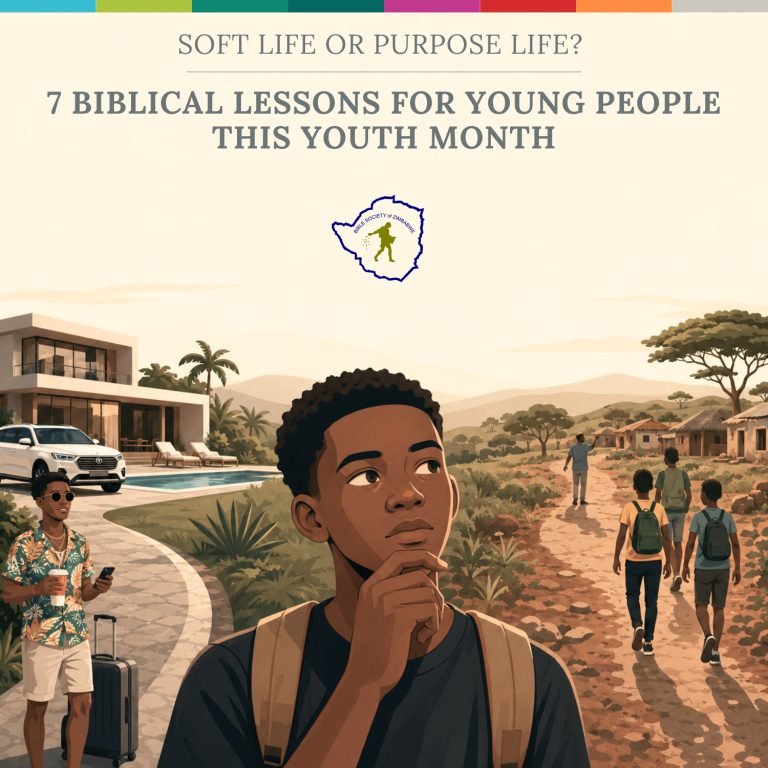
Is the goal of life to be comfortable, or to make a difference?
“Soft life” is everywhere.
It is the dream of financial freedom, nice experiences, travelling, having a good job, living in a beautiful home, taking care of yourself and not constantly struggling.
And honestly, there is nothing wrong with wanting a better life.
After all, who doesn’t want to pay their bills without stress, have a decent home, enjoy a holiday, support their family and have some peace of mind?
But here’s the question we need to ask this day: Are we chasing comfort, or are we chasing purpose?
Because sometimes the life God calls us to may not always be the easiest or most comfortable one.
Jesus put it this way:
“Whoever wants to be my disciple must deny themselves and take up their cross and follow me. For whoever wants to save their life will lose it, but whoever loses their life for me will find it. What good will it be for someone to gain the whole world, yet forfeit their soul?”
Matthew 16:24–26 (NIV)
Jesus wasn’t saying that His followers must live miserable lives. He was challenging us to ask what we are willing to sacrifice for something greater than ourselves.
1. Wanting a Good Life Isn’t the Problem
There is nothing wrong with wanting financial stability, a successful career or a comfortable life.
The problem comes when comfort becomes the goal instead of the reward.
You can want nice things and still love God.
You can build a successful business and still serve others.
You can pursue a great career and still live with purpose.
The question isn’t, “Do I want a soft life?”
The better question is:
“What am I willing to do with the life God gives me?”
“But remember the Lord your God, for it is he who gives you the ability to produce wealth.” — Deuteronomy 8:18 (NIV)
Success is not simply about what you can accumulate. It is also about what you can contribute.
2. Hustle Culture Can Make You Forget to Live
Young people are constantly being told to hustle harder. Wake up early. Start a side hustle. Build a brand. Make money. Learn a skill. Invest. Network. Grind.
There is value in hard work, but constant hustle can also leave you exhausted.
You were not created to spend your entire life chasing money.
Jesus Himself recognised the importance of rest:
“Then, because so many people were coming and going that they did not even have a chance to eat, he said to them, ‘Come with me by yourselves to a quiet place and get some rest.'” — Mark 6:31 (NIV)
Purpose doesn’t mean being busy every minute.
Sometimes rest is part of the assignment.
Don’t glorify burnout and call it ambition.
3. Purpose Will Sometimes Require Sacrifice
Here’s the uncomfortable part, purpose isn’t always convenient. Sometimes you have to say no to something you want because you are committed to something bigger.
You may have to study when your friends are partying.
Save money when everyone else is spending.
Walk away from a relationship that is taking you away from God.
Start small when you want instant success.
Serve others when nobody is paying you.
Jesus said:
“Whoever wants to be my disciple must deny themselves and take up their cross and follow me.” — Matthew 16:24 (NIV)
Following Jesus involves sacrifice.
But sacrifice doesn’t mean your life has no joy. It means you are willing to exchange temporary comfort for a lasting purpose.
4. Don’t Let Social Media Define Your Version of Success
Someone is posting from Dubai.
Someone just bought a car.
Someone is getting married.
Someone has launched a business.
Someone has 100,000 followers.
And suddenly your own life feels like a failure.
But remember: you are comparing your behind-the-scenes to someone else’s highlight reel.
The Bible says:
“Each one should test their own actions. Then they can take pride in themselves alone, without comparing themselves to someone else.” — Galatians 6:4 (NIV)
Your journey doesn’t have to look like somebody else’s.
Maybe your purpose is still developing.
Maybe your season is about preparation rather than public success.
Don’t rush your journey because someone else’s life looks better on Instagram.
5. Purpose Is Bigger Than Getting a Job
For many young people, the dream is simply to get a job.
And that’s understandable, but your purpose is bigger than your payslip.
You can fulfil purpose through your profession, business, ministry, creativity, community work, family and relationships.
Paul reminds us:
“Whatever you do, work at it with all your heart, as working for the Lord, not for human masters.” — Colossians 3:23 (NIV)
Whether you’re a teacher, entrepreneur, farmer, doctor, designer, student, mechanic, content creator or job seeker, ask:
“How can I use what God has given me to make someone’s life better?”
That’s where purpose begins.
6. You Don’t Have to Choose Between Ambition and Faith
Some young Christians feel guilty for wanting success.
But God gave you gifts, creativity, intelligence and ambition for a reason.
The issue isn’t ambition, the issue is what your ambition is serving.
Are you chasing money simply to prove that you’re better than everyone else?
Or are you building something that can provide for your family, create jobs and bless your community?
Are you pursuing influence so people can worship you?
Or so you can influence people for good?
Jesus asked:
“What good is it for someone to gain the whole world, yet forfeit their soul?” — Mark 8:36 (NIV)
Don’t lose your soul while building your dream.
7. Choose a Life That Means Something
At the end of the day, the question isn’t whether you lived a “soft” or “hard” life.
The question is:
Did your life matter?
Did you use your gifts?
Did you help someone?
Did you make your community better?
Did you honour God?
Did you leave something behind that continues to bless others?
Jesus tells us:
“Whoever wants to save their life will lose it, but whoever loses their life for me will find it.” — Matthew 16:25 (NIV)
A purpose-driven life isn’t necessarily an uncomfortable life, it is a life where comfort doesn’t control you.
You can enjoy your blessings without worshipping them.
You can pursue success without making success your god.
You can enjoy the “soft life” while still living a purposeful life.
So, Soft Life or Purpose Life?
Maybe the answer isn’t one or the other.
Enjoy the soft life, but don’t let it become your purpose.
Work hard, but rest.
Build wealth, but remain generous.
Pursue success, but remain humble.
Dream big, but remember God.
Enjoy life, but don’t forget why you are here.
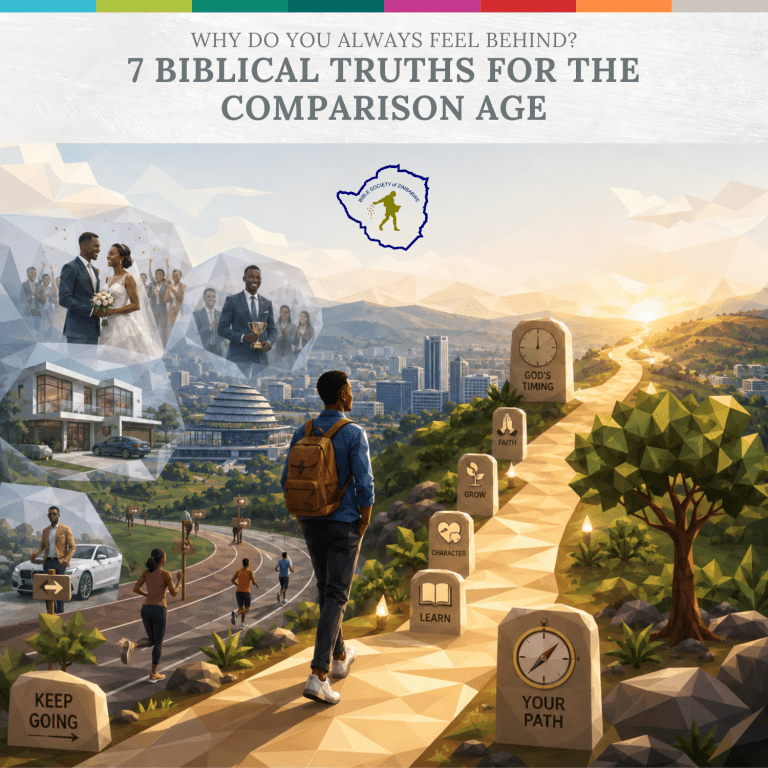
Feeling “behind” in life is a feeling, not a fact, manufactured almost entirely by comparison. The Bible reframes the whole question: you are not late, you are not defective, and you cannot fall behind a plan you did not write. These seven truths replace comparison anxiety with God’s timing, your God-given worth, and the freedom to run your own race.
Everyone seems to be ahead of you. The promotions, the weddings, the houses, the highlight reels. Scroll long enough and you start to believe the lie that you missed your moment. You didn’t. Here are seven truths that pull the plug on that feeling for good.
1. Your Pace Is Not Your Problem
Everyone seems to be ahead of you. Married, promoted, settled, thriving. The feed never stops reminding you. But “behind” is a feeling, not a fact, and comparison is where it is born.
Galatians 6:4-5 (NIV)
“Each one should test their own actions. Then they can take pride in themselves alone, without comparing themselves to someone else, for each one should carry their own load.”
Close the app. Measure today against your own yesterday, not against a stranger’s curated best. Your load is yours to carry, and yours alone to be proud of.
2. Your Timing Isn’t Broken
You are not late. You are not early. You are exactly where a season placed you. The pressure to catch up assumes there is one universal schedule. There isn’t.
Ecclesiastes 3:1 (NIV)
“There is a time for everything, and a season for every activity under the heavens.”
Winter is not a failed summer. If this is your waiting season, wait well. The harvest has its own calendar, and rushing it only ruins the crop.
3. The Highlight Reel Is Lying to You
Envy whispers that everyone else has it figured out. They don’t. You are comparing your raw footage to their final cut, and it is quietly eating you alive.
Proverbs 14:30 (NIV)
“A heart at peace gives life to the body, but envy rots the bones.”
Notice the cost. Envy does not only steal your joy; it corrodes your health. Trade the scroll for gratitude and watch your shoulders drop.
4. You Were Made on Purpose
Feeling behind assumes you are a defective version of someone better. You are not a rough draft. You were authored with intention, detail, and delight.
Psalm 139:14 (NIV)
“I praise you because I am fearfully and wonderfully made; your works are wonderful, I know that full well.”
Your worth was never tied to your milestones. Before the achievements, before the applause, you were already wonderfully made. Start there.
5. Your Future Is Already Mapped
The fear underneath “behind” is simple. What if I miss it? What if the good life passes me by? Scripture answers with a promise, not a panic.
Jeremiah 29:11 (NIV)
“‘For I know the plans I have for you,’ declares the Lord, ‘plans to prosper you and not to harm you, plans to give you hope and a future.’”
You cannot fall behind a plan you did not write. The same God who set the seasons is holding your future. Walk forward with open hands.
6. Contentment Is a Skill, Not a Mood
Contentment is not something you stumble into when life finally cooperates. Paul learned it in a prison cell. It is a muscle, trained in the gap between what you have and what you want.
Philippians 4:11 (NIV)
“I am not saying this because I am in need, for I have learned to be content whatever the circumstances.”
Practice it small today. Thank God for what is unfinished, for what is still in motion, for what has not arrived yet. Contentment grows where comparison used to live.
7. Run Your Own Race
Stop watching the lanes beside you. Runners who look sideways lose speed and lose heart. Your finish line is your own, and it is still ahead of you.
Hebrews 12:1 (NIV)
“Therefore, since we are surrounded by such a great cloud of witnesses, let us throw off everything that hinders and the sin that so easily entangles. And let us run with perseverance the race marked out for us.”
Drop the weight of comparison. Fix your eyes forward. Perseverance, not pace, is what carries you home.
You Were Never Behind. You Were Comparing.
You were never behind. You were comparing your story to a stranger’s edit, your winter to someone else’s summer, your raw draft to their highlight reel. Timing is not your enemy. Envy is. Lay it down. Run your own race, at your own pace, held by a God who already knows how it ends. You are not late. You are right on time.

Our phones are practically an extension of our hands. TikTok, Instagram, YouTube — we scroll, we double tap, we post. But here’s a thought: what if every swipe, every story, every share could make a difference? What if your online presence could actually change someone’s day… or even their life?
The Bible doesn’t mention TikTok or trending hashtags, but it does give us timeless wisdom on how to live — and yes, that includes how we show up online.
Here’s how 7 powerful Bible verses can guide us from just scrolling to actually serving:
1. 1 Timothy 4:12 – “Don’t let anyone look down on you because you are young, but set an example for the believers in speech, in conduct, in love, in faith and in purity.”
Some people think you have to “grow up” to make an impact. Not true. Your voice matters now. The way you comment, the memes you post, the language you use in your captions — it all sets an example. Be the one who brings encouragement, not just more noise.
2. Ephesians 4:29 – “Do not let any unwholesome talk come out of your mouths, but only what is helpful for building others up.”
It’s so easy to roast someone online, join a cancel trend, or drop a “clap back” comment. But every word we post has power. What if we flipped it? What if your comments built people up instead of tearing them down? You might be the only kind word someone sees that day.
3. Matthew 5:14 – “You are the light of the world. A town built on a hill cannot be hidden.”
Social media can feel dark sometimes — cyberbullying, negativity, toxic trends. But light always wins over darkness. Your faith-filled posts, uplifting reels, and hopeful stories can shine like a beacon. Don’t hide your light. Someone out there needs to see it.
4. Proverbs 18:21 – “The tongue has the power of life and death.”
Think of your posts as seeds. Are you planting seeds of life or seeds of hurt? A single encouraging DM, a prayer shared in your stories, or a Scripture on your feed can breathe life into someone’s weary heart. Use your words to heal, not harm.
5. Colossians 3:17 – “And whatever you do, whether in word or deed, do it all in the name of the Lord Jesus.”
Yes — this even includes your TikToks. That trend you’re doing? That tweet you’re drafting? That bio on your profile? Everything online reflects who you are. Ask yourself: Does this honor God? Would I post this if Jesus followed me?(Spoiler: He does.)
6. Philippians 2:4 – “Not looking to your own interests but each of you to the interests of the others.”
It’s easy to post just for likes, clout, or validation. But what if you used your platform to notice others? Sharing a friend’s art, posting about a cause you care about, or raising awareness for someone in need — that’s serving with your feed.
7. Galatians 6:9 – “Let us not become weary in doing good, for at the proper time we will reap a harvest if we do not give up.”
Sometimes, you’ll post encouragement and it’ll feel like no one cares. You’ll share positive content and only get a few likes. But don’t quit. Your words, prayers, and kindness are making ripples you can’t see. Keep sowing good — God promises a harvest.
So… What Now?
Your online presence is powerful. It can tear down or build up, spread drama or share hope, fuel chaos or bring peace. Every post is a choice.
This month, try asking yourself before you hit “share”:
– Will this bring light?
– Will this lift someone up?
– Will this reflect the love of Jesus?
Because when we move from scrolling to serving, social media stops being just entertainment — it becomes ministry.
A Fresh Look for a Generation Seeking Real Faith
You’ve probably seen the list on a church wall, a t-shirt, or a Pinterest post:
Love. Joy. Peace. Patience. Kindness. Goodness. Faithfulness. Gentleness. Self-Control.
That’s the fruit of the Spirit (Galatians 5:22–23).
But here’s the thing: these aren’t just “nice Christian traits” you try to copy. They’re evidence that something supernatural is growing inside you, something the Holy Spirit is actively forming. Let’s break them down one by one in a way that speaks to real life.
1. LOVE
“Dear children, let us not love with words or speech but with actions and in truth.” – 1 John 3:18
We live in a world where love is often performative. It’s in captions and emojis, but not always in action. The Holy Spirit teaches us to love people even when they’re difficult, unlovable, or don’t benefit us.
Real love:
- Listens before speaking
- Forgives even when it hurts
- Stays when it’s easier to walk away
2. JOY
“Though you have not seen him, you love him… you are filled with an inexpressible and glorious joy.” – 1 Peter 1:8
Joy is different from happiness. It’s not tied to a vibe, a relationship, or a goal. Joy is deep and steady.
You can be battling anxiety and still carry joy. You can be broke and still feel joy. Why? Because joy is rooted in who God is, not what life looks like.
3. PEACE
“You will keep in perfect peace those whose minds are steadfast, because they trust in you.” – Isaiah 26:3
Peace isn’t passive. It’s fierce trust in the middle of chaos.
For young people constantly hit with bad news, mental pressure, and overthinking, peace feels rare. But the Holy Spirit anchors us when the world spins. Peace shows up in how we handle pressure, stay grounded in prayer, and choose surrender over control.
4. PATIENCE
“Be completely humble and gentle; be patient, bearing with one another in love.” – Ephesians 4:2
We’re an instant generation, streaming, deliveries, dating apps. We’re wired for now.
But spiritual maturity grows in the slow seasons. Patience is learning to:
- Wait without whining
- Love people who don’t “get it” yet
- Trust God’s timeline, not your own
It’s not natural, but it’s powerful and deeply needed in a culture obsessed with speed.
5. KINDNESS
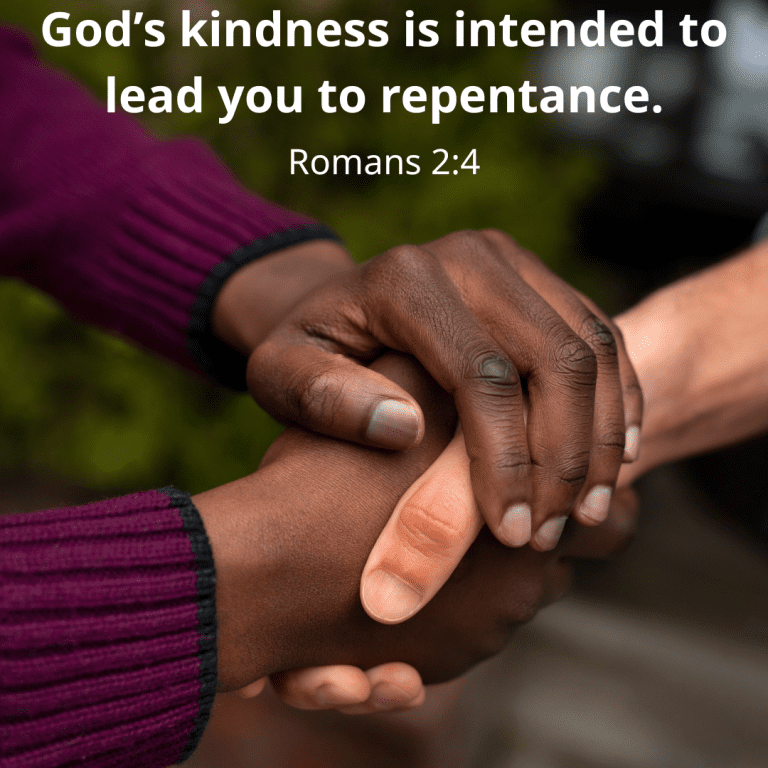
“God’s kindness is intended to lead you to repentance.” – Romans 2:4
Kindness isn’t just random acts. It’s intentional compassion.
It’s DM-ing someone just to check in.
It’s being gentle when you have every reason to be cold.
It’s choosing not to clap back even when you could go viral.
Kindness is powerful because it reflects the kindness God showed us.
6. GOODNESS
“Do not be overcome by evil, but overcome evil with good.” – Romans 12:21
Goodness is about integrity when no one’s watching.
It’s not about being a “good person”, it’s about choosing what’s right, even when it costs you.
It’s:
- Being honest when you could cut corners
- Calling out injustice, even if it’s unpopular
- Living with purity in a world that celebrates compromise
7. FAITHFULNESS
“His master replied, ‘Well done, good and faithful servant!’” – Matthew 25:21
This one’s about showing up in relationships, in responsibilities, and in your walk with God.
Faithfulness says:
- “I’ll keep praying, even when I feel nothing.”
- “I’ll show up for my friends when it’s not convenient.”
- “I’ll follow through on what I said.”
In a culture that glorifies jumping ship, faithfulness is countercultural—and deeply beautiful.
8. GENTLENESS
“Let your gentleness be evident to all.” – Philippians 4:5
Gentleness isn’t weakness. It’s controlled strength.
In a world where loud = power, the Spirit teaches us a quieter strength.
Gentleness shows up when:
- You disagree without disrespecting
- You lead without dominating
- You correct without crushing
Jesus was gentle with the broken and we’re called to be like Him.
9. SELF-CONTROL
“Like a city whose walls are broken through is a person who lacks self-control.” – Proverbs 25:28
Without self-control, everything else crumbles.
It’s the Spirit saying:
- “Don’t send that text.”
- “Pause before you scroll.”
- “Say no when you know it’s not worth it.”
This fruit guards your peace, protects your witness, and empowers you to make decisions that align with your purpose not your impulse.
Final Thoughts: Fruit Takes Time
You don’t become a walking, talking Fruit Basket overnight.
But if you stay rooted in Jesus, the Holy Spirit will grow this fruit in you gradually, powerfully, and authentically.
You might not see it every day. But others will.
And in a world craving something real, the Spirit’s fruit is the loudest quiet message you’ll ever carry.
Ask Yourself:
- Which fruit comes easiest for me?
- Which one is God stretching in me right now?
- How can I lean into the Spirit more today?
Next Step:
If you’re serious about growth, start a “Fruit Check” journal every week, reflect on one fruit and ask:
“How did I live this out or not this week?”
Spiritual growth isn’t about perfection. It’s about progress. And you don’t walk it alone, the Spirit walks with you.

Avoiding stress during exams is essential for maintaining focus, performing well, and staying healthy. Here’s a biblical, practical, and actionable guide to managing stress effectively during exam time:
1. Start with Prayer and Trust in God
- Philippians 4:6-7 – “Do not be anxious about anything, but in every situation, by prayer and petition, with thanksgiving, present your requests to God.”
Tip: Whenever you feel overwhelmed, pause and pray. Surrender your worries to God.
Action:
- Start and end your study sessions with a short prayer.
- Keep a prayer journal where you express your concerns and ask God for peace.
2. Stay Organized with a Study Plan
- 1 Corinthians 14:40 – “But everything should be done in a fitting and orderly way.”
Tip: A well-organized study schedule prevents last-minute cramming and reduces stress.
Action:
- Break your syllabus into manageable chunks, covering a little every day.
- Use tools like a study timetable or to-do list to track progress.
3. Take Care of Your Body
- 1 Corinthians 6:19-20 – “Your body is a temple of the Holy Spirit… Therefore, honor God with your bodies.”
Tip: Eating well, exercising, and sleeping enough will help your brain function better.
Action:
- Exercise: Take short walks or do light stretches between study sessions.
- Sleep: Aim for 7-8 hours of sleep per night to improve concentration.
- Eat Nutritious Foods: Include fruits, vegetables, and water to keep your energy up.
4. Take Breaks and Rest
- Exodus 20:8-10 – “Remember the Sabbath day by keeping it holy…”
Tip: Rest is essential to recharge your brain and avoid burnout.
Action:
- Take 10-15 minute breaks every hour to relax your mind.
- Set aside one day a week to rest and engage in something you enjoy.
5. Avoid Comparison with Others
- Galatians 6:4 – “Each one should test their own actions… without comparing themselves to someone else.”
Tip: Comparing yourself with classmates can lead to unnecessary anxiety. Focus on your progress and efforts.
Action:
- Remind yourself that your journey is unique, and God has a plan for you.
- Celebrate small achievements along the way, like completing a topic or practice test.
6. Practice Deep Breathing and Relaxation Techniques
- Psalm 46:10 – “Be still, and know that I am God.”
Tip: When stress creeps in, breathe deeply and meditate on God’s presence.
Action:
- Deep Breathing: Inhale for 4 seconds, hold for 4 seconds, and exhale for 4 seconds. Repeat several times.
- Play soft, relaxing worship music while you study or during breaks.
7. Stay Positive and Speak Life Over Yourself
- Proverbs 18:21 – “The tongue has the power of life and death…”
Tip: Replace negative thoughts with positive affirmations rooted in Scripture.
Action:
- Speak aloud Scriptures like: “I can do all things through Christ who strengthens me” (Philippians 4:13).
- Avoid saying things like “I will fail” or “This is too hard.” Instead, say, “I am prepared, and God is with me.”
8. Engage in Fellowship with Others
- Ecclesiastes 4:9-10 – “Two are better than one… If one falls down, the other can help him up.”
Tip: Talk to family, friends, or mentors when you feel overwhelmed.
Action:
- Join a study group for encouragement.
- Share your concerns with someone who can pray with you and provide guidance.
9. Limit Distractions and Focus on the Present
- Matthew 6:34 – “Do not worry about tomorrow, for tomorrow will worry about itself.”
Tip: Avoid worrying about the future or dwelling on past mistakes. Stay focused on what you can do today.
Action:
- Set specific times to study without distractions from social media or phone notifications.
- Tackle one subject or task at a time to avoid overwhelm.
10. Trust God with the Outcome
- Proverbs 3:5-6 – “Trust in the Lord with all your heart and lean not on your own understanding…”
Tip: After you’ve done your best, trust God to handle the rest.
Action:
- After each exam, pray and thank God for the strength to finish.
- Avoid overanalyzing your performance, trust that God’s plan is perfect.
Conclusion
Managing stress during exams is about trusting God, planning wisely, taking care of yourself, and staying focused on the present. Remember that success is not just about grades—it’s about learning, growing, and relying on God’s strength. Following this guide will help you stay calm, focused, and productive throughout the exam season. You’ve got this! God is with you every step of the way.
The season of harvest is a time of gratitude, reflection, and abundance. For farmers, it signifies the end of a season of hard work, when crops are gathered, and the fruits of labor are celebrated. Spiritually, it reminds us of God’s faithfulness and the importance of sowing seeds of righteousness in our lives. The Bible speaks of harvest not just as an agricultural event but as a symbol of spiritual growth, provision, and God’s blessings.
Here are seven Bible verses that reflect the beauty, meaning, and significance of harvest time:
1. Galatians 6:9
“Let us not become weary in doing good, for at the proper time we will reap a harvest if we do not give up.”
Just as the harvest comes after a season of hard labor, our spiritual harvest will come if we remain steadfast in our efforts to live righteously. God’s timing is perfect, and we must trust that our diligence will bear fruit.
2. Matthew 9:37-38
“Then he said to his disciples, ‘The harvest is plentiful but the workers are few. Ask the Lord of the harvest, therefore, to send out workers into his harvest field.’”
Here, Jesus calls on us to be workers in this field, sharing the good news of salvation and helping to bring others into the kingdom of God. Harvest time is not just about receiving but also giving — sharing God’s love with the world.
3. Psalm 126:5-6
“Those who sow with tears will reap with songs of joy. Those who go out weeping, carrying seed to sow, will return with songs of joy, carrying sheaves with them.”
We may endure seasons of sorrow, but God promises that those who faithfully sow, even through hardship, will one day reap a harvest of joy. There is hope in the midst of trials, and the harvest will be a time of celebration.
4. Proverbs 10:5
“He who gathers crops in summer is a prudent son, but he who sleeps during harvest is a disgraceful son.”
Just as a farmer must be attentive during the harvest to gather his crops, we must be alert and ready to seize the spiritual opportunities that God places before us. Laziness and neglect lead to missed blessings, but diligence ensures that we reap the benefits of our labor.
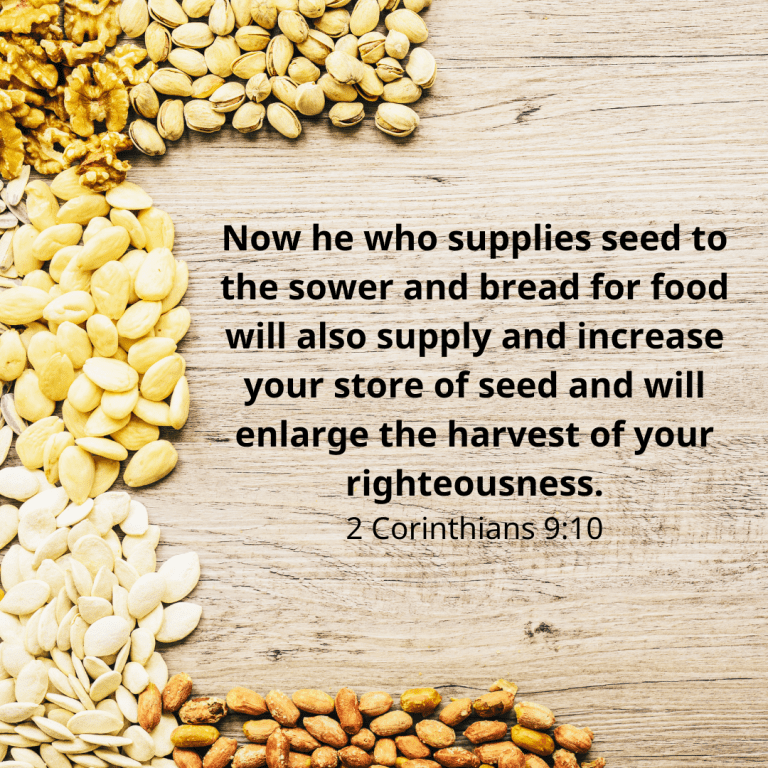
5. 2 Corinthians 9:10
“Now he who supplies seed to the sower and bread for food will also supply and increase your store of seed and will enlarge the harvest of your righteousness.”
God is the provider of all things, and He ensures that those who sow will have what they need to reap a harvest. Not only does He provide materially, but He also increases the harvest of righteousness in our lives, enabling us to grow in character, faith, and good works. Our trust in God’s provision is important to experiencing His abundance.
6. James 3:18
“Peacemakers who sow in peace reap a harvest of righteousness.”
When we sow seeds of peace and righteousness, we reap a harvest of goodness and integrity. Just as the farmer carefully chooses what to plant, we must be mindful of the seeds we sow in our relationships and daily actions.
7. John 4:35
“Don’t you have a saying, ‘It’s still four months until harvest’? I tell you, open your eyes and look at the fields! They are ripe for harvest.”
The time for action is now, not later. The fields are ripe, and God is calling us to step into His work, sharing His love and truth with those who are ready to receive it. There is an urgency in the harvest, and we are called to respond.
Conclusion
Harvest time is a powerful reminder of God’s faithfulness and the spiritual principles of sowing and reaping. Whether we are harvesting crops or gathering the fruits of our spiritual labor, we are called to trust in God’s provision and timing. As we reflect on these Bible verses, may we be inspired to continue sowing seeds of righteousness, peace, and faithfulness, knowing that in due season, we will reap a bountiful harvest.
How does the Bible view women? At face value, some of its messages and examples can seem oppressive or devaluing. But when you learn more about how Jesus responded to the Bible’s historical and cultural context, you may rethink your first impressions. Christ entered into a specific time and culture that had assumptions very different from ours. How can understanding the biblical context inform our reading? How can the context help us to better understand who Jesus is—what he values, loves, and expects of his followers? Take a look, traveling all the way back to the culture Jesus entered.
How the Greeks Viewed Women
Let’s begin with the philosophers. Writers and thinkers often infuse a culture with certain beliefs—and this was especially so in the Greco-Roman world. When examined closely, some of their ideas may seem surprisingly antiquated to the modern reader.
For example, the revered philosopher Plato believed that women should be confined to the home while men tended to the business of state and commerce. Aristotle went even further, teaching that women were inferior to men, incapable of abstract thought, and emotionally volatile. Thus husbands and fathers were to rule over their wives and daughters. This thinking reflects the basic attitude toward women during the classical period.
How did these attitudes affect a woman’s life? The picture is not a pretty one. A young Greek girl is routinely married off to an older man. Her husband is free to take a concubine, and romantic love is not expected within marriage. Her role is to bear and raise children and run the household. She will rarely leave the house. Her education is limited to learning domestic tasks. She is not permitted to vote or hold property. Why would she be? As Euripides the playwright notes, “A woman is handicapped by intellect.” Thucydides helps him along by writing, “The name of a decent woman, like her person, should be shut up in the house.”
How the Jews Viewed Women
By Jesus’s time Greek ideas—including these ideas about women—had gradually crept into Jewish culture, despite Old Testament writings to the contrary. In the creation account in Genesis, God creates human beings as both male and female, giving them co-equal stewardship over the earth (Genesis 1:26-30). Throughout the Old Testament, women are given equal access to God’s law and held equally responsible to keep it.
The Old Testament record is replete with women whose great courage often surpasses that of the men around them. The stories of Miriam, Rahab, Ruth, Deborah, Hannah, Abigail, and Esther are prime examples of women whose insight and fortitude greatly influence the biblical narrative and the way God’s people understood themselves.
The Jewish understanding of women was so affected by exile, conquest, and trade that by Jesus’s time women were discouraged from studying Torah, God’s law, and encouraged to stay home to fulfill household duties. They attended synagogue assemblies seated separately from the men. The Greek-educated Jewish philosopher Philo, a contemporary of Jesus, saw women as having weak judgment and considered them unfit to learn the law. Some rabbis even went so far as to encourage men to limit their conversations with their own wives. What was the point of talking to someone with little knowledge of the law?
How Jesus Viewed Women
Into this distortion of God’s original intent for women comes a new teacher, the rabbi called Jesus of Nazareth. What do we know about Jesus’s relationships with women? Did he hold the same opinions as his culture? Let’s take a look at a few of his encounters with women.
Jesus speaks to a Samaritan woman in public (John 4:4-30)
Jesus shocks the woman at the well by asking her for a drink. Thus he steamrolls over cultural taboos against men speaking to women as well as Jewish prejudice against Samaritans. “You are a Jew and I am a Samaritan woman. How can you ask me for a drink?”
Jesus then reveals himself to her as the Messiah and the giver of the living water for which she longs.
Jesus teaches a woman one-on-one (Luke 10:38-42)
Women were not expected to study Torah, yet this renegade rabbi singles out one woman and opens Scripture to her. Mary “sat down at the feet of the Lord and listened to his teaching.” This position was that of the traditional rabbinic student.
When her sister complains about needing help, Jesus tells her that “Mary has chosen what is better, and it will not be taken away from her.”
Jesus comforts a widow and confronts death (Luke 7:11-17)
“Don’t cry,” Jesus says to a grieving widow whose son lies dead in his coffin. He touches the coffin, defying ceremonial law. Jaws drop in amazement as the young man sits up and begins to speak. Jesus gives the widow’s son back to her, alive and well.
Jesus touches an “unclean” woman (Luke 8:43-48)
Ceremonially unclean due to a chronic hemorrhage, a woman touches the hem of Jesus’ cloak. “Daughter,” Jesus speaks tenderly. “Your faith has healed you. Shalom.”
Jesus touches an infirm woman (Luke 13:10-16)
The religious leaders object to Jesus’s laying his healing hands on a crippled woman on the Sabbath.
“You hypocrites!” Jesus does not mince words. “Any one of you would untie your ox or your donkey from the stall and take it out to give it water on the Sabbath.Now here is this descendant of Abraham whom Satan has kept in bonds for eighteen years; should she not be released on the Sabbath?”
Jesus deals with a woman caught in adultery (John 8:1-11)
The woman’s accusers are silenced by Jesus’s words, “Whichever one of you has committed no sin may throw the first stone at her.” But he is gentle in his conversation with her.
Jesus allows Mary to anoint him (John 12:1-8)
When people are horrified at Mary’s extravagant outpouring of love, Jesus silences them all. Rather than rebuking her for touching him in this intimate way, he lavishes high praise on her. “Leave her alone; she’s anointing me for burial. This story will be told wherever the Gospel is preached.”
Jesus appears first to a woman after his Resurrection (John 20:11-18)
Although women were considered to be unreliable witnesses in court, Jesus assigns Mary Magdalene the task of being the first witness to the Resurrection.
Scripture’s Good News for Women
So what did Jesus really think of women? Did he touch them? Did he talk with them? Did he teach them? Did he give equal moral standing with men? Did he value them?
The record speaks for itself. First-century women in Palestine were second-class citizens. Sadly, some church leaders have still viewed and treated women in this way. But Jesus turned the tables on his culture, and his example calls us to do the same. Again and again, Jesus affirmed women’s value and dignity.
As the apostle Paul affirms in Galatians 3:26-28 (NIV): “So in Christ Jesus you are all children of God through faith, for all of you who were baptized into Christ have clothed yourselves with Christ. There is neither Jew nor Gentile, neither slave nor free, nor is there male and female, for you are all one in Christ Jesus.”
Many women, especially young women, quietly wrestle with this thought:
“Is being a woman a disadvantage?”
It can feel that way when:
- your voice is overlooked
- your abilities are doubted
- your safety feels fragile
- your value is reduced to appearance
- your timeline is controlled by social pressure
- your sacrifices go unnoticed
But Scripture tells a very different story. From the beginning, God established women with dignity, authority, purpose, and spiritual strength. Let’s walk through 7 Bible verses that speak directly to seasons when being a woman feels like a disadvantage.
1. Genesis 1:27 — Your Value Was Established at Creation
“So God created mankind in his own image, in the image of God he created them; male and female he created them.” (NIV)
Before society formed opinions about women, God formed identity. Both male and female were created in His image, equal in worth, equal in dignity, equal in spiritual value.
This means your value is not cultural, it is created. Not negotiated, declared. When the world minimizes women, creation itself speaks otherwise.
2. Judges 4:4–5 — God Raises Women Leaders
“Now Deborah, a prophet, the wife of Lappidoth, was leading Israel at that time.” (NIV)
Deborah was not hidden. She was not secondary. She was a national leader, judge, and prophet.
When leadership spaces feel closed to women, Deborah’s story reminds us: God is not limited by human bias. He appoints based on calling, not gender expectations.
Your leadership is not a mistake. Your voice is not out of place.
3. Psalm 139:14 — You Are Not a Design Error
“I praise you because I am fearfully and wonderfully made.” (NIV)
When being a woman feels like a burden instead of a blessing, this verse calls you back to truth: you are not an afterthought. Not an inferior version. Not a weaker model.
You are intentional design.
Your emotions, intuition, resilience, and nurturing strength are not flaws, they are features.
4. Luke 8:1–3 — Jesus Publicly Valued Women
“…the Twelve were with him, and also some women… These women were helping to support them out of their own means.” (NIV)
In a culture where women were often excluded, Jesus welcomed them into His mission circle. He taught them, traveled with them, and honored their contributions.
Jesus did not treat women as background characters, but as partners in purpose.
If you ever feel spiritually sidelined, remember: Jesus pulled women closer, not further away.
5. Proverbs 31:25 — Strength Is Feminine Too
“She is clothed with strength and dignity; she can laugh at the days to come.” (NIV)
Biblical womanhood is not a weakness. It is strength with dignity.
This woman is not fearful of the future, she faces it with confidence. Not because life is easy, but because her foundation is secure.
Strength is not unfeminine. Strength is biblical.
6. Galatians 3:28 — Your Spiritual Standing Is Equal
“There is neither Jew nor Gentile, neither slave nor free, nor is there male and female, for you are all one in Christ Jesus.” (NIV)
Before God, your access, inheritance, and spiritual identity are not limited by gender.
You are not spiritually second-class. Not spiritually delayed. Not spiritually restricted.
In Christ, you stand fully included.
7. John 20:16–18 — A Woman First Carried the Resurrection Message
Jesus said to her, “Mary.” … Mary Magdalene went to the disciples with the news: “I have seen the Lord!” (NIV)
The first recorded witness and messenger of the resurrection was a woman.
At the most important announcement in history, Jesus chose a woman to carry the news.
When the world questions whether women should speak, lead, or proclaim truth, the resurrection story answers clearly.
Final Encouragement: When It Feels Hard to Be a Woman
Yes, challenges women face are real. Inequality, pressure, vulnerability, and misunderstanding exist. But disadvantage is not destiny.
Biblically:
- Women are image-bearers
- Leaders
- Witnesses
- Supporters of mission
- Carriers of strength
- Voices of truth
- Chosen messengers
When being a woman feels like a disadvantage, remember, in God’s story, women are never optional. They are essential.
As we celebrate Women’s Month, we honor the courage, faith, and resilience of women who shaped biblical history. Among these remarkable figures are Mahlah, Noah, Hoglah, Milkah, and Tirzah, the daughters of Zelophehad. Their boldness in claiming their inheritance set a precedent for justice and equality, proving that God values the voices of women.
A Bold Stand for Justice
During the Israelites’ journey to the Promised Land, inheritance was typically passed from father to son. However, Zelophehad had no sons—only daughters. These five women refused to be left without a heritage and took their case to Moses and the leaders.
“They came forward and stood before Moses, Eleazar the priest, the leaders and the whole assembly at the entrance to the tent of meeting and said, ‘Our father died in the wilderness… Why should our father’s name disappear from his clan because he had no son? Give us property among our father’s relatives.’” (Numbers 27:2-4, NIV)
These sisters stepped into a space where women traditionally had no say. Their courage teaches us that when something isn’t right, we shouldn’t be afraid to challenge the status quo.
God’s Approval of Women’s Voices
Moses took their case before God, and God Himself affirmed their request, showing that He values justice and fairness for all.
“So the Lord said to him, ‘What Zelophehad’s daughters are saying is right. You must certainly give them property as an inheritance among their father’s relatives and give their father’s inheritance to them.’”(Numbers 27:6-7, NIV)
God listens when we speak up for what is right. He values justice and is not bound by human traditions that limit women’s roles.
Faith That Changed the Law
Because of these women’s faith and persistence, a new law was established, ensuring that if a man died without a son, his daughters could inherit his land.
“This is what the Lord commands for Zelophehad’s daughters: You must give them property as an inheritance… Say to the Israelites, ‘If a man dies and leaves no son, give his inheritance to his daughter.’”(Numbers 27:8, NIV)
Faith isn’t just about believing; it’s about taking action and trusting God to bring justice. Their courage led to a lasting legal shift, proving that faith and action bring transformation.
A Legacy of Strength and Determination
Even after the law was established, these women continued to follow God’s direction, ensuring that their inheritance remained within their tribe, as per God’s command.
“No inheritance in Israel is to pass from one tribe to another, for every Israelite shall keep the tribal inheritance of their ancestors.” (Numbers 36:7, NIV)
Women are not just bystanders in history, we are active participants in God’s plans. When God opens a door, we must walk through it with confidence.
Women Have a Right to Be Heard
The courage of Zelophehad’s daughters echoes the promise that God is a defender of those who seek justice. Their voices mattered, and their plea changed an entire legal system.
“Defend the weak and the fatherless; uphold the cause of the poor and the oppressed.” (Psalm 82:3, NIV)
Advocating for justice is not just a worldly pursuit, it is a godly mission. When we stand for what is right, we align ourselves with God’s heart.
Courage Breaks Barriers
These five sisters refused to accept limitations. They believed in a God who grants justice and stepped forward, even when society didn’t favor them.
“Be strong and courageous. Do not be afraid; do not be discouraged, for the Lord your God will be with you wherever you go.” (Joshua 1:9, NIV)
Boldness in faith leads to breakthrough. When we trust in God and take courageous steps, He goes before us and makes a way.
Women Are a Vital Part of God’s Plan
Their story proves that women have a place in God’s grand design. From the beginning, He intended for both men and women to carry out His will.
“There is neither Jew nor Gentile, neither slave nor free, nor is there male and female, for you are all one in Christ Jesus.” (Galatians 3:28, NIV)
Women are equally called to fulfill God’s purposes. The daughters of Zelophehad remind us that in Christ, we all have a divine inheritance.
A Celebration of Women’s Strength
As we celebrate Women’s Month, let us be inspired by Mahlah, Noah, Hoglah, Milkah, and Tirzah, women who dared to believe in justice and changed history. Like them, we can stand boldly, speak up for what is right, and trust God to make a way.
“God is within her, she will not fall; God will help her at break of day.” (Psalm 46:5, NIV)
May their story remind us that women are not just part of history, they shape it. Let us rise with courage, faith, and determination, knowing that God values our voices and honors our faith.
In a world that often leaves us searching for belonging and questioning our identity, the Bible offers profound insights into who we are and where we truly belong. These seven Bible verses about belonging highlight the unshakable foundation of our identity in Christ and the sense of belonging we find in God’s family.
1. Ephesians 2:19
“Consequently, you are no longer foreigners and strangers, but fellow citizens with God’s people and also members of his household.”
Through Christ, you are no longer outsiders. Instead, you are integrated into God’s family as full members.
2. 1 Peter 2:9
“But you are a chosen people, a royal priesthood, a holy nation, God’s special possession, that you may declare the praises of him who called you out of darkness into his wonderful light.”
You are God’s own people, set apart to reflect His light in the world. It’s a compelling reminder of our unique identity and purpose.
3. Romans 8:16
“The Spirit himself testifies with our spirit that we are God’s children.”
The familial connection between you and God not only affirms your identity but also assures of your inheritance and future glory with Christ.
4. Galatians 3:28
There is neither Jew nor Gentile, neither slave nor free, nor is there male and female, for you are all one in Christ Jesus.”
Regardless of your backgrounds or social status, you all belong to God’s family through faith in Jesus.
5. 1 John 3:1
“See what great love the Father has lavished on us, that we should be called children of God! And that is what we are! The reason the world does not know us is that it did not know him.”
God has shown His love by calling you His children. You therefore belong to Him.
6. Colossians 3:3
“For you died, and your life is now hidden with Christ in God.”
Your old identity is gone, and your new life is secure in Christ. This hidden life in God provides a stable and eternal sense of belonging and identity, rooted in Christ.
7. Jeremiah 1:5
“Before I formed you in the womb I knew you, before you were born I set you apart; I appointed you as a prophet to the nations.”
Your identity and purpose are known to God even before birth. It’s a powerful reminder that you belong to Him and are created with intention and love.
Read more about our identity in Christ.

Come feel Africa’s rhythm! Its heart tells stories of winning, strength, and togetherness. As the sun shines on its big lands and lively cultures, we’re on the edge of Africa Day. It’s a party that goes beyond borders, celebrating what it means to be African.
A – Abundance of Blessings
Africa is blessed with natural wonders and resources, reflecting God’s abundant provision. Psalm 68:19 reminds us, “Praise be to the Lord, to God our Savior, who daily bears our burdens.”
F – Faithful Foundations
Africa’s history is intertwined with faith, from the ancient civilizations to modern-day believers. Hebrews 11:1 inspires us, “Now faith is confidence in what we hope for and assurance about what we do not see.”
R – Richness of Diversity
Africa’s diverse peoples and cultures showcase the beauty of God’s creation. Galatians 3:28 proclaims, “There is neither Jew nor Gentile, neither slave nor free, nor is there male and female, for you are all one in Christ Jesus.”
I – Inheritance of Identity
Africa’s heritage is a testament to the enduring legacy of its people. Psalm 16:6 assures us, “The boundary lines have fallen for me in pleasant places; surely I have a delightful inheritance.”
C – Call to Community
Africa’s communal spirit fosters unity and solidarity among its inhabitants. Ecclesiastes 4:9-10 teaches us, “Two are better than one, because they have a good return for their labor: If either of them falls down, one can help the other up. But pity anyone who falls and has no one to help them up.”
A – Affirmation
The Bible affirms the inherent value and dignity of every individual, echoing the principle of ubuntu prevalent in many African cultures.”So God created mankind in his own image, in the image of God he created them; male and female he created them.” – Genesis 1:27
As we journey through the spiritual essence of AFRICA, let us embrace its blessings, celebrate its diversity, and honor its heritage. For in this vast and vibrant continent, we discover echoes of God’s faithfulness, reminders of our shared humanity, and glimpses of His divine purpose for all creation. Let us unite in prayer, as Psalm 133:1 proclaims, “How good and pleasant it is when God’s people live together in unity!”
When Being a Woman Feels Like a Disadvantage - A Biblical Perspective
Does being a woman ever feel like a disadvantage? Many women quietly struggle with feeling overlooked, underestimated, or defined by society’s expectations. Yet the Bible reveals a very different truth. Discover 7 powerful Bible verses that show the dignity, strength, and purpose God has given to women.
Daughters Who Dared: The Women Who Changed Biblical Law
As we celebrate Women’s Month, we honor the courage, faith, and resilience of women who shaped biblical history. Among these remarkable figures are Mahlah, Noah, Hoglah, Milkah, and Tirzah, the daughters of Zelophehad. Their boldness in claiming their inheritance set a precedent for justice and equality, proving that God values the voices of women.
Finding Belonging and Identity in Scripture: 7 Bible Verses
The familial connection between you and God not only affirms your identity but also assures of your inheritance and future glory with Christ.
Unlocking the Spiritual Essence of AFRICA:
Come feel Africa's rhythm! Its heart tells stories of winning, strength, and togetherness. As the sun shines on its big lands and lively cultures, we're on the edge of Africa Day. It's a party that goes beyond borders, celebrating what it means to be African.
Does being a woman ever feel like a disadvantage? Many women quietly struggle with feeling overlooked, underestimated, or defined by society’s expectations. Yet the Bible reveals a very different truth. Discover 7 powerful Bible verses that show the dignity, strength, and purpose God has given to women.
As we celebrate Women’s Month, we honor the courage, faith, and resilience of women who shaped biblical history. Among these remarkable figures are Mahlah, Noah, Hoglah, Milkah, and Tirzah, the daughters of Zelophehad. Their boldness in claiming their inheritance set a precedent for justice and equality, proving that God values the voices of women.
The familial connection between you and God not only affirms your identity but also assures of your inheritance and future glory with Christ.
Come feel Africa's rhythm! Its heart tells stories of winning, strength, and togetherness. As the sun shines on its big lands and lively cultures, we're on the edge of Africa Day. It's a party that goes beyond borders, celebrating what it means to be African.