

How Families Can Receive Returnees From South Africa with Love
Returning home after being forced to leave South Africa can be an emotional and difficult experience. For some returnees, coming home may bring relief because they are reunited with family. For others, it may bring embarrassment, disappointment, financial pressure and uncertainty about what comes next.
This is where family matters.
The first few days and weeks after returning can shape how a person begins to rebuild. Families can either make the returnee feel like a failure, or remind them that home is still a place where they are loved, valued and accepted.
The Bible gives us principles that can guide families in creating that kind of welcome.
1. Welcome Them Before You Question Them
When someone returns, the natural reaction may be to ask:
“What happened?”
“Why were you sent back?”
“Where is the money you made?”
“What happened to your belongings?”
But sometimes, the person first needs to hear:
“Welcome home. We are glad you are here.”
The story can come later.
Jesus’ story of the prodigal son gives us a powerful picture of a father who saw his son returning and ran to welcome him.
“So he got up and went to his father. But while he was still a long way off, his father saw him and was filled with compassion for him; he ran to his son, threw his arms around him and kissed him.” — Luke 15:20 (NIV)
The father did not begin by interrogating his son.
He welcomed him.
Families can learn from this. Before asking what happened in South Africa, make sure the returnee knows that they are wanted at home.
2. Listen Without Turning Their Story Into a Courtroom
Some returnees may want to talk immediately. Others may need time.
Their experiences may involve difficult memories, loss, discrimination, unemployment, separation from loved ones or the sudden disruption of their lives.
Don’t force them to explain everything.
Instead, create an environment where they know:
“When you are ready to talk, I am here to listen.”
“Everyone should be quick to listen, slow to speak and slow to become angry.” — James 1:19 (NIV)
Listening does not mean agreeing with everything they say.
It means giving them enough space to tell their story without immediately judging, correcting or blaming them.
Sometimes what a returnee needs most is not advice, they simply need someone who will listen.
3. Don’t Make Them Feel Like They Failed
One of the most painful things for a returnee may be feeling that they have disappointed their family.
Perhaps they left expecting to send money home. Perhaps relatives expected them to return with a car, build a house or start a business.
Instead, they have returned with very little.
This can create enormous shame.
Families should resist statements such as:
“You were in South Africa all those years and came back with nothing?”
Instead, ask:
“What can we do to help you start again?”
“Carry each other’s burdens, and in this way you will fulfill the law of Christ.” — Galatians 6:2 (NIV)
A family should not add to someone’s burden.
4. Give Them a Safe Place to Rebuild
Coming home does not automatically mean that everything is okay.
A returnee may be wondering:
- Where will I work?
- How will I support my children?
- What can I do now?
- Will people respect me?
- Can I start a business?
- What will my friends say?
- Have I lost everything I worked for?
Family can become the safe environment from which the person begins rebuilding.
“Therefore encourage one another and build each other up, just as in fact you are doing.” — 1 Thessalonians 5:11 (NIV)
Encouragement is not pretending that everything is fine, it is helping someone believe that their current situation is not the end of their story.
5. Don’t Turn Their Return Into Family Gossip
A returnee’s story belongs to them.
Before sharing their situation with neighbours, church members, friends or extended family, consider how that might affect them.
Imagine returning home already feeling embarrassed, only to discover that everyone in the community knows what happened to you.
Families should protect the dignity of their returning loved ones.
“Love each other deeply, because love covers over a multitude of sins.” — 1 Peter 4:8 (NIV)
Love does not expose someone’s vulnerability for entertainment.
Love protects. Instead of discussing the returnee behind their back, create a culture where their dignity is respected.
6. Don’t Only Give Them Food—Help Them Find Their Future
Practical support is important.
A family may provide food, accommodation, clothing or transport. But long-term support also means helping the returnee think about what comes next.
Ask:
“What skills did you gain?”
“What kind of work would you like to do?”
“What can we help you start?”
“Who can we connect you with?”
The returnee may have skills and experiences that can be valuable back home.
“Each of you should use whatever gift you have received to serve others, as faithful stewards of God’s grace in its various forms.” — 1 Peter 4:10 (NIV)
Their journey may have been difficult, but it may also have given them skills, resilience and experience. Help them see what they still have, not only what they have lost.
7. Remind Them: They Still Belong
Perhaps the most important message a family can communicate is:
“You are still one of us.”
Circumstances may have changed.
Their finances may have changed.
Their plans may have changed.
But their value has not.
The Bible reminds us that our identity and worth ultimately come from God.
“See what great love the Father has lavished on us, that we should be called children of God!” — 1 John 3:1 (NIV)
A returnee should not be defined by deportation, unemployment, financial loss or what happened in South Africa. They are more than what happened to them. They are a person with dignity, gifts, relationships, dreams and a future.
A Final Word to Families
If someone you love has returned from South Africa, don’t make their homecoming another source of pain.
They may already be grieving a lost job, lost possessions, lost opportunities or a dream that did not work out as planned.
Let home be different.
Let it be the place where they can breathe.
Let it be the place where they are heard without judgment, supported without shame and encouraged to begin again.
They may have returned without everything they hoped for, but they have not returned without hope.
And sometimes, the first step toward rebuilding someone’s life is simply making sure they know:
“You are home. You are loved. You still belong.”

Starting a new year is exciting, but it can also feel overwhelming. School, work, social media, and responsibilities can easily take priority over our spiritual lives. The good news? Growing closer to God doesn’t have to be complicated. It’s about small, consistent habits that transform your heart, mind, and daily life.
Here are 7 daily habits for 2026, backed by Scripture, to help you stay connected with God in a way that actually sticks.
1. Start Your Day With Prayer
Verse: “Do not be anxious about anything, but in every situation, by prayer and petition, with thanksgiving, present your requests to God.” — Philippians 4:6
Starting your day with God sets the tone. A simple 5–10 minute prayer in the morning, even while getting ready, can help you approach the day with peace instead of stress.
Youth Tip: Send a “good morning” text to God, share your plans, hopes, or worries. It’s like opening a direct line with the One who really listens.
2. Read the Bible, Even If It’s Just a Verse
Verse: “Your word is a lamp to my feet and a light to my path.” — Psalm 119:105
You don’t need to read a whole chapter to feel close to God. Even one verse can guide your decisions, inspire you, and give clarity during the day.
Youth Tip: Use a Bible app with daily verse notifications or highlight a verse on your phone wallpaper, it’s a reminder God is with you everywhere.
3. Practice Gratitude Daily
Verse: “Give thanks in all circumstances; for this is God’s will for you in Christ Jesus.” — 1 Thessalonians 5:18
Gratitude keeps your heart focused on God, not just what’s going wrong. Taking a moment each day to thank God, even for small things, changes your perspective and mood.
Youth Tip: Keep a “Gratitude Reel” or a digital journal. Snap a photo of one thing you’re thankful for daily and reflect on it at night.
4. Serve Others in Small Ways
Verse: “Do not merely look out for your own personal interests, but also for the interests of others.” — Philippians 2:4
Serving doesn’t have to be big. Holding a door, checking on a friend, or helping a classmate is faith in action. Every small act reflects God’s love.
Youth Tip: Set a daily “service challenge”: one small act of kindness each day, online or offline.
5. Speak Words That Build Up
Verse: “Do not let any unwholesome talk come out of your mouths, but only what is helpful for building others up according to their needs.” — Ephesians 4:29
Your words, texts, posts and comments have power. Choosing to encourage, compliment, or lift someone up daily is a habit that draws you closer to God.
Youth Tip: Before posting or texting, ask: “Will this reflect God’s love?”
6. Reflect & Journal
Verse: “But his delight is in the law of the Lord, and on his law he meditates day and night.” — Psalm 1:2
Taking 5–10 minutes at the end of the day to reflect on what went well, what challenged you, or where God showed up helps you see His work in your life.
Youth Tip: Use a digital journal, notes app, or even voice memos. Reflection is key to growth.
7. Surround Yourself With Your Faith Tribe
Verse: “As iron sharpens iron, so one person sharpens another.” — Proverbs 27:17
Faith grows in community. Spending time with friends who encourage your relationship with God, even through texts or online calls, helps you stay accountable and inspired.
Youth Tip: Start a group chat or weekly Zoom/Bible hangout to share encouragement, prayer requests, or favorite verses.
Final Reflection for 2026
Getting closer to God doesn’t require big gestures or a perfect schedule. It’s about small, consistent habits that shape your thoughts, words, and actions.Challenge for 2026: Pick one habit this week. Start small. Add another next week. Watch your connection with God grow in real life, not just in theory.
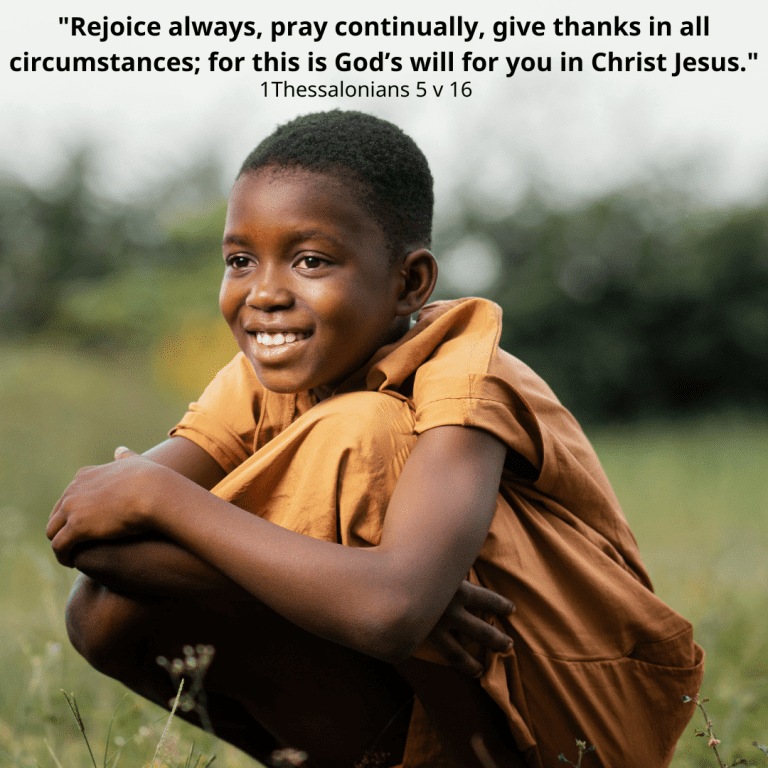
Prayer is a vital aspect of the Christian faith, serving as a direct line of communication with God. The Bible offers numerous verses that can guide and inspire us in our prayer life. Here are seven Bible verses that can help you to pray:
1. Matthew 6:9-13
“This, then, is how you should pray: ‘Our Father in heaven, hallowed be your name, your kingdom come, your will be done, on earth as it is in heaven. Give us today our daily bread. And forgive us our debts, as we also have forgiven our debtors. And lead us not into temptation, but deliver us from the evil one.’”
The Lord’s Prayer, provides a perfect model for prayer. It includes elements of praise, submission to God’s will, requests for daily needs, forgiveness, and guidance. Using this structure can help us cover all aspects of our spiritual life in prayer.
2. Philippians 4:6
“Do not be anxious about anything, but in every situation, by prayer and petition, with thanksgiving, present your requests to God.”
You are encouraged to turn your worries into prayers. This verse emphasizes importance of approaching God with your needs and anxieties, coupled with a heart of gratitude. This verse reminds you that prayer is a means to relieve anxiety and to trust in God’s provision.
3. 1 Thessalonians 5:16
“Rejoice always, pray continually, give thanks in all circumstances; for this is God’s will for you in Christ Jesus.”
Praying continually doesn’t mean being on our knees all day but maintaining a constant awareness of God’s presence and turning to Him throughout our day. It encourages an attitude of gratitude and joy in all circumstances.
4. James 5:16
“Therefore confess your sins to each other and pray for each other so that you may be healed. The prayer of a righteous person is powerful and effective.”
James 5:16 emphasizes the power of communal prayer and confession. It encourages us to support each other through prayer and to recognize the importance of a righteous person’s prayer. You are encouraged to seek out prayer partners and to be diligent in your intercessions for others.
5. Romans 8:26
“In the same way, the Spirit helps us in our weakness. We do not know what we ought to pray for, but the Spirit himself intercedes for us through wordless groans.”
You can find comfort in knowing that the Holy Spirit assists you in your prayers, especially when you are uncertain about what to pray for. The Spirit’s intercession ensures that your prayers align with God’s will, providing a deeper connection in your communication with God.
6. Matthew 7:7-8
“Ask and it will be given to you; seek and you will find; knock and the door will be opened to you. For everyone who asks receives; the one who seeks finds; and to the one who knocks, the door will be opened.”
Jesus assures you that your earnest seeking and asking will not go unanswered. This promise can bolster your confidence in approaching God with your needs and desires, knowing that He listens and responds.
7. 1 John 5:14-15
“This is the confidence we have in approaching God: that if we ask anything according to his will, he hears us. And if we know that he hears us—whatever we ask—we know that we have what we asked of him.”
God is attentive to your prayers. It highlights the importance of aligning your requests with His will, giving you confidence that your prayers are heard and will be answered in accordance with His divine plan.
Conclusion
Prayer is a powerful and essential practice in the Christian life. These seven Bible verses offer guidance, encouragement, and assurance in our prayer journey. By meditating on and incorporating these scriptures into your prayer life, you can deepen your relationship with God, approach Him with confidence, and experience the transformative power of prayer.
Prayer is a vital aspect of the Christian faith, serving as a direct line of communication with God. The Bible offers numerous verses that can guide and inspire us in our prayer life. Here are seven Bible verses that can help you to pray:
1. Matthew 6:9-13
“This, then, is how you should pray: ‘Our Father in heaven, hallowed be your name, your kingdom come, your will be done, on earth as it is in heaven. Give us today our daily bread. And forgive us our debts, as we also have forgiven our debtors. And lead us not into temptation, but deliver us from the evil one.’”
The Lord’s Prayer, provides a perfect model for prayer. It includes elements of praise, submission to God’s will, requests for daily needs, forgiveness, and guidance. Using this structure can help us cover all aspects of our spiritual life in prayer.
2. Philippians 4:6
“Do not be anxious about anything, but in every situation, by prayer and petition, with thanksgiving, present your requests to God.”
You are encouraged to turn your worries into prayers. This verse emphasizes importance of approaching God with your needs and anxieties, coupled with a heart of gratitude. This verse reminds you that prayer is a means to relieve anxiety and to trust in God’s provision.
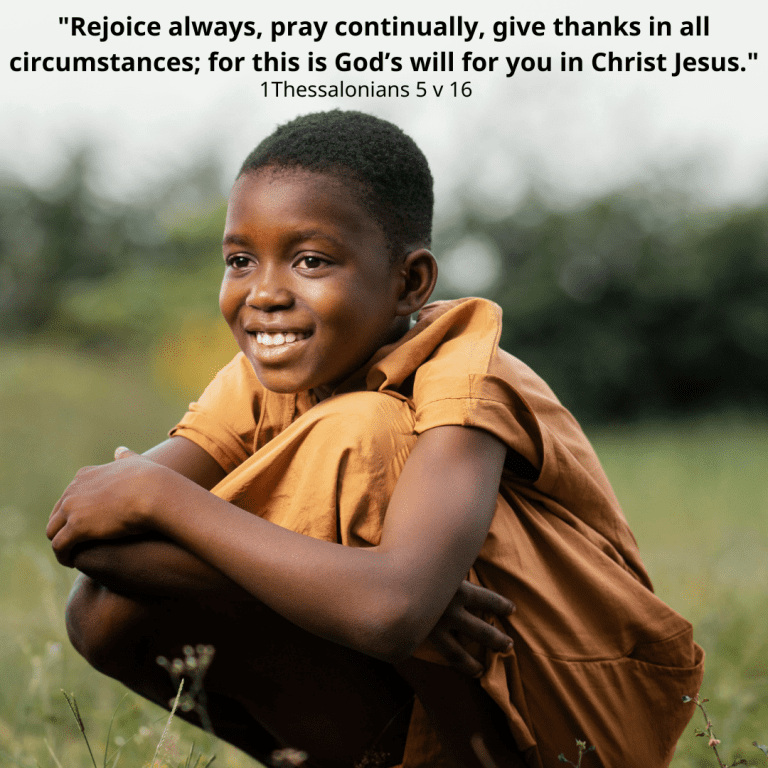
3. 1 Thessalonians 5:16
“Rejoice always, pray continually, give thanks in all circumstances; for this is God’s will for you in Christ Jesus.”
Praying continually doesn’t mean being on our knees all day but maintaining a constant awareness of God’s presence and turning to Him throughout our day. It encourages an attitude of gratitude and joy in all circumstances.
4. James 5:16
“Therefore confess your sins to each other and pray for each other so that you may be healed. The prayer of a righteous person is powerful and effective.”
James 5:16 emphasizes the power of communal prayer and confession. It encourages us to support each other through prayer and to recognize the importance of a righteous person’s prayer. You are encouraged to seek out prayer partners and to be diligent in your intercessions for others.
5. Romans 8:26
“In the same way, the Spirit helps us in our weakness. We do not know what we ought to pray for, but the Spirit himself intercedes for us through wordless groans.”
You can find comfort in knowing that the Holy Spirit assists you in your prayers, especially when you are uncertain about what to pray for. The Spirit’s intercession ensures that your prayers align with God’s will, providing a deeper connection in your communication with God.
6. Matthew 7:7-8
“Ask and it will be given to you; seek and you will find; knock and the door will be opened to you. For everyone who asks receives; the one who seeks finds; and to the one who knocks, the door will be opened.”
Jesus assures you that your earnest seeking and asking will not go unanswered. This promise can bolster your confidence in approaching God with your needs and desires, knowing that He listens and responds.
7. 1 John 5:14-15
“This is the confidence we have in approaching God: that if we ask anything according to his will, he hears us. And if we know that he hears us—whatever we ask—we know that we have what we asked of him.”
God is attentive to your prayers. It highlights the importance of aligning your requests with His will, giving you confidence that your prayers are heard and will be answered in accordance with His divine plan.
Conclusion
Prayer is a powerful and essential practice in the Christian life. These seven Bible verses offer guidance, encouragement, and assurance in our prayer journey. By meditating on and incorporating these scriptures into your prayer life, you can deepen your relationship with God, approach Him with confidence, and experience the transformative power of prayer.

In times of sadness, it’s important to turn to God and find comfort in His Word. Here are some attitudes to adopt:
- Pray: ask God to help us through this trial and to give us the strength and comfort we need. “Have no anxiety about anything, but in everything by prayer and supplication with thanksgiving let your requests be made known to God.” – Philippians 4:6
- Read the Bible: look for verses that bring us comfort and hope, and meditate on their meaning. “Let the word of Christ dwell in you richly, teach and admonish one another in all wisdom, and sing psalms and hymns and spiritual songs with thankfulness in your hearts to God.” – Colossians 3:16
- Turn other Christians: share our sadness with our brothers and sisters in Christ and receive their support and prayers. “For where two or three are gathered in my name, there am I in the midst of them.” – Matthew 18:20
- Remember that God is always present and will never abandon us. He is able to turn our sadness into joy and help us through every trial. “teaching them to observe all that I have commanded you; and lo, I am with you always, to the close of the age.” – Matthew 28:20
- Show gratitude: despite sadness, remember God’s many blessings in our lives and give thanks. “give thanks in all circumstances; for this is the will of God in Christ Jesus for you.” – 1 Thessalonians 5:18
By adopting these attitudes, we can find comfort and hope in times of sorrow, knowing that God is with us and will sustain us in all circumstances.