

How Families Can Receive Returnees From South Africa with Love
Returning home after being forced to leave South Africa can be an emotional and difficult experience. For some returnees, coming home may bring relief because they are reunited with family. For others, it may bring embarrassment, disappointment, financial pressure and uncertainty about what comes next.
This is where family matters.
The first few days and weeks after returning can shape how a person begins to rebuild. Families can either make the returnee feel like a failure, or remind them that home is still a place where they are loved, valued and accepted.
The Bible gives us principles that can guide families in creating that kind of welcome.
1. Welcome Them Before You Question Them
When someone returns, the natural reaction may be to ask:
“What happened?”
“Why were you sent back?”
“Where is the money you made?”
“What happened to your belongings?”
But sometimes, the person first needs to hear:
“Welcome home. We are glad you are here.”
The story can come later.
Jesus’ story of the prodigal son gives us a powerful picture of a father who saw his son returning and ran to welcome him.
“So he got up and went to his father. But while he was still a long way off, his father saw him and was filled with compassion for him; he ran to his son, threw his arms around him and kissed him.” — Luke 15:20 (NIV)
The father did not begin by interrogating his son.
He welcomed him.
Families can learn from this. Before asking what happened in South Africa, make sure the returnee knows that they are wanted at home.
2. Listen Without Turning Their Story Into a Courtroom
Some returnees may want to talk immediately. Others may need time.
Their experiences may involve difficult memories, loss, discrimination, unemployment, separation from loved ones or the sudden disruption of their lives.
Don’t force them to explain everything.
Instead, create an environment where they know:
“When you are ready to talk, I am here to listen.”
“Everyone should be quick to listen, slow to speak and slow to become angry.” — James 1:19 (NIV)
Listening does not mean agreeing with everything they say.
It means giving them enough space to tell their story without immediately judging, correcting or blaming them.
Sometimes what a returnee needs most is not advice, they simply need someone who will listen.
3. Don’t Make Them Feel Like They Failed
One of the most painful things for a returnee may be feeling that they have disappointed their family.
Perhaps they left expecting to send money home. Perhaps relatives expected them to return with a car, build a house or start a business.
Instead, they have returned with very little.
This can create enormous shame.
Families should resist statements such as:
“You were in South Africa all those years and came back with nothing?”
Instead, ask:
“What can we do to help you start again?”
“Carry each other’s burdens, and in this way you will fulfill the law of Christ.” — Galatians 6:2 (NIV)
A family should not add to someone’s burden.
4. Give Them a Safe Place to Rebuild
Coming home does not automatically mean that everything is okay.
A returnee may be wondering:
- Where will I work?
- How will I support my children?
- What can I do now?
- Will people respect me?
- Can I start a business?
- What will my friends say?
- Have I lost everything I worked for?
Family can become the safe environment from which the person begins rebuilding.
“Therefore encourage one another and build each other up, just as in fact you are doing.” — 1 Thessalonians 5:11 (NIV)
Encouragement is not pretending that everything is fine, it is helping someone believe that their current situation is not the end of their story.
5. Don’t Turn Their Return Into Family Gossip
A returnee’s story belongs to them.
Before sharing their situation with neighbours, church members, friends or extended family, consider how that might affect them.
Imagine returning home already feeling embarrassed, only to discover that everyone in the community knows what happened to you.
Families should protect the dignity of their returning loved ones.
“Love each other deeply, because love covers over a multitude of sins.” — 1 Peter 4:8 (NIV)
Love does not expose someone’s vulnerability for entertainment.
Love protects. Instead of discussing the returnee behind their back, create a culture where their dignity is respected.
6. Don’t Only Give Them Food—Help Them Find Their Future
Practical support is important.
A family may provide food, accommodation, clothing or transport. But long-term support also means helping the returnee think about what comes next.
Ask:
“What skills did you gain?”
“What kind of work would you like to do?”
“What can we help you start?”
“Who can we connect you with?”
The returnee may have skills and experiences that can be valuable back home.
“Each of you should use whatever gift you have received to serve others, as faithful stewards of God’s grace in its various forms.” — 1 Peter 4:10 (NIV)
Their journey may have been difficult, but it may also have given them skills, resilience and experience. Help them see what they still have, not only what they have lost.
7. Remind Them: They Still Belong
Perhaps the most important message a family can communicate is:
“You are still one of us.”
Circumstances may have changed.
Their finances may have changed.
Their plans may have changed.
But their value has not.
The Bible reminds us that our identity and worth ultimately come from God.
“See what great love the Father has lavished on us, that we should be called children of God!” — 1 John 3:1 (NIV)
A returnee should not be defined by deportation, unemployment, financial loss or what happened in South Africa. They are more than what happened to them. They are a person with dignity, gifts, relationships, dreams and a future.
A Final Word to Families
If someone you love has returned from South Africa, don’t make their homecoming another source of pain.
They may already be grieving a lost job, lost possessions, lost opportunities or a dream that did not work out as planned.
Let home be different.
Let it be the place where they can breathe.
Let it be the place where they are heard without judgment, supported without shame and encouraged to begin again.
They may have returned without everything they hoped for, but they have not returned without hope.
And sometimes, the first step toward rebuilding someone’s life is simply making sure they know:
“You are home. You are loved. You still belong.”
A Fresh Look for a Generation Seeking Real Faith
You’ve probably seen the list on a church wall, a t-shirt, or a Pinterest post:
Love. Joy. Peace. Patience. Kindness. Goodness. Faithfulness. Gentleness. Self-Control.
That’s the fruit of the Spirit (Galatians 5:22–23).
But here’s the thing: these aren’t just “nice Christian traits” you try to copy. They’re evidence that something supernatural is growing inside you, something the Holy Spirit is actively forming. Let’s break them down one by one in a way that speaks to real life.
1. LOVE
“Dear children, let us not love with words or speech but with actions and in truth.” – 1 John 3:18
We live in a world where love is often performative. It’s in captions and emojis, but not always in action. The Holy Spirit teaches us to love people even when they’re difficult, unlovable, or don’t benefit us.
Real love:
- Listens before speaking
- Forgives even when it hurts
- Stays when it’s easier to walk away
2. JOY
“Though you have not seen him, you love him… you are filled with an inexpressible and glorious joy.” – 1 Peter 1:8
Joy is different from happiness. It’s not tied to a vibe, a relationship, or a goal. Joy is deep and steady.
You can be battling anxiety and still carry joy. You can be broke and still feel joy. Why? Because joy is rooted in who God is, not what life looks like.
3. PEACE
“You will keep in perfect peace those whose minds are steadfast, because they trust in you.” – Isaiah 26:3
Peace isn’t passive. It’s fierce trust in the middle of chaos.
For young people constantly hit with bad news, mental pressure, and overthinking, peace feels rare. But the Holy Spirit anchors us when the world spins. Peace shows up in how we handle pressure, stay grounded in prayer, and choose surrender over control.
4. PATIENCE
“Be completely humble and gentle; be patient, bearing with one another in love.” – Ephesians 4:2
We’re an instant generation, streaming, deliveries, dating apps. We’re wired for now.
But spiritual maturity grows in the slow seasons. Patience is learning to:
- Wait without whining
- Love people who don’t “get it” yet
- Trust God’s timeline, not your own
It’s not natural, but it’s powerful and deeply needed in a culture obsessed with speed.
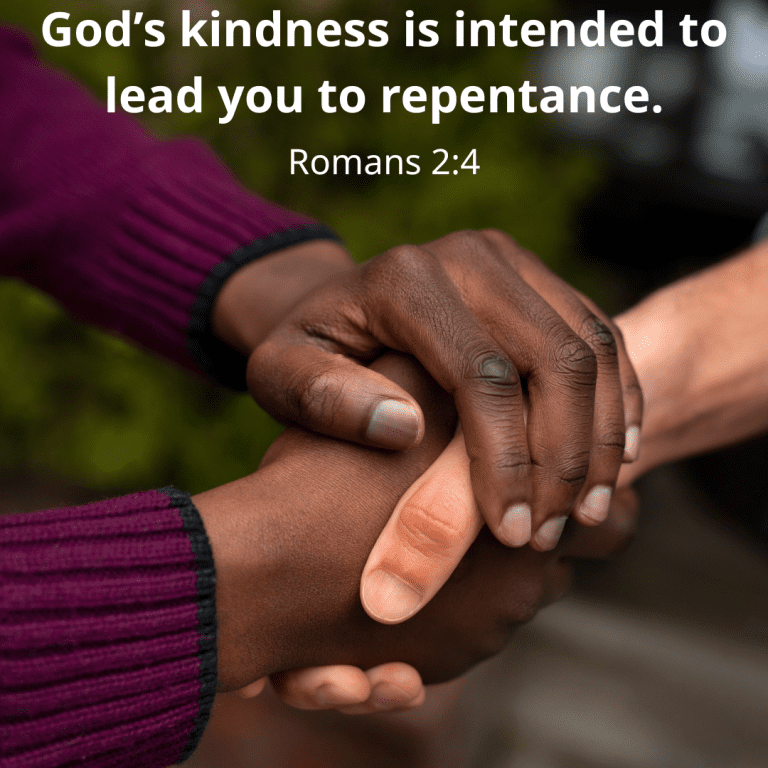
5. KINDNESS
“God’s kindness is intended to lead you to repentance.” – Romans 2:4
Kindness isn’t just random acts. It’s intentional compassion.
It’s DM-ing someone just to check in.
It’s being gentle when you have every reason to be cold.
It’s choosing not to clap back even when you could go viral.
Kindness is powerful because it reflects the kindness God showed us.
6. GOODNESS
“Do not be overcome by evil, but overcome evil with good.” – Romans 12:21
Goodness is about integrity when no one’s watching.
It’s not about being a “good person”, it’s about choosing what’s right, even when it costs you.
It’s:
- Being honest when you could cut corners
- Calling out injustice, even if it’s unpopular
- Living with purity in a world that celebrates compromise
7. FAITHFULNESS
“His master replied, ‘Well done, good and faithful servant!’” – Matthew 25:21
This one’s about showing up in relationships, in responsibilities, and in your walk with God.
Faithfulness says:
- “I’ll keep praying, even when I feel nothing.”
- “I’ll show up for my friends when it’s not convenient.”
- “I’ll follow through on what I said.”
In a culture that glorifies jumping ship, faithfulness is countercultural—and deeply beautiful.
8. GENTLENESS
“Let your gentleness be evident to all.” – Philippians 4:5
Gentleness isn’t weakness. It’s controlled strength.
In a world where loud = power, the Spirit teaches us a quieter strength.
Gentleness shows up when:
- You disagree without disrespecting
- You lead without dominating
- You correct without crushing
Jesus was gentle with the broken and we’re called to be like Him.
9. SELF-CONTROL
“Like a city whose walls are broken through is a person who lacks self-control.” – Proverbs 25:28
Without self-control, everything else crumbles.
It’s the Spirit saying:
- “Don’t send that text.”
- “Pause before you scroll.”
- “Say no when you know it’s not worth it.”
This fruit guards your peace, protects your witness, and empowers you to make decisions that align with your purpose not your impulse.
Final Thoughts: Fruit Takes Time
You don’t become a walking, talking Fruit Basket overnight.
But if you stay rooted in Jesus, the Holy Spirit will grow this fruit in you gradually, powerfully, and authentically.
You might not see it every day. But others will.
And in a world craving something real, the Spirit’s fruit is the loudest quiet message you’ll ever carry.
Ask Yourself:
- Which fruit comes easiest for me?
- Which one is God stretching in me right now?
- How can I lean into the Spirit more today?
Next Step:
If you’re serious about growth, start a “Fruit Check” journal every week, reflect on one fruit and ask:
“How did I live this out or not this week?”
Spiritual growth isn’t about perfection. It’s about progress. And you don’t walk it alone, the Spirit walks with you.
Prayer is a vital aspect of the Christian faith, serving as a direct line of communication with God. The Bible offers numerous verses that can guide and inspire us in our prayer life. Here are seven Bible verses that can help you to pray:
1. Matthew 6:9-13
“This, then, is how you should pray: ‘Our Father in heaven, hallowed be your name, your kingdom come, your will be done, on earth as it is in heaven. Give us today our daily bread. And forgive us our debts, as we also have forgiven our debtors. And lead us not into temptation, but deliver us from the evil one.’”
The Lord’s Prayer, provides a perfect model for prayer. It includes elements of praise, submission to God’s will, requests for daily needs, forgiveness, and guidance. Using this structure can help us cover all aspects of our spiritual life in prayer.
2. Philippians 4:6
“Do not be anxious about anything, but in every situation, by prayer and petition, with thanksgiving, present your requests to God.”
You are encouraged to turn your worries into prayers. This verse emphasizes importance of approaching God with your needs and anxieties, coupled with a heart of gratitude. This verse reminds you that prayer is a means to relieve anxiety and to trust in God’s provision.
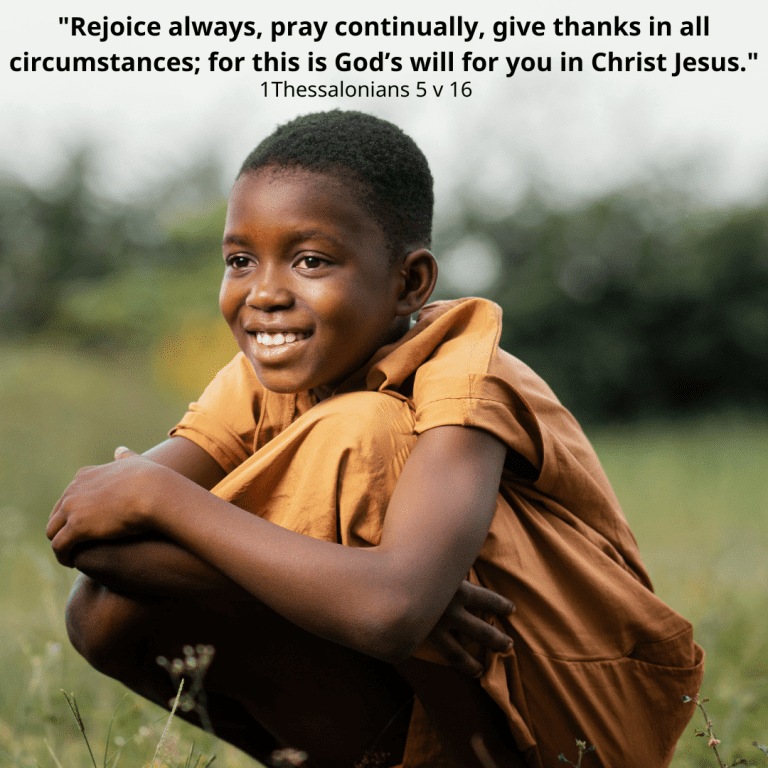
3. 1 Thessalonians 5:16
“Rejoice always, pray continually, give thanks in all circumstances; for this is God’s will for you in Christ Jesus.”
Praying continually doesn’t mean being on our knees all day but maintaining a constant awareness of God’s presence and turning to Him throughout our day. It encourages an attitude of gratitude and joy in all circumstances.
4. James 5:16
“Therefore confess your sins to each other and pray for each other so that you may be healed. The prayer of a righteous person is powerful and effective.”
James 5:16 emphasizes the power of communal prayer and confession. It encourages us to support each other through prayer and to recognize the importance of a righteous person’s prayer. You are encouraged to seek out prayer partners and to be diligent in your intercessions for others.
5. Romans 8:26
“In the same way, the Spirit helps us in our weakness. We do not know what we ought to pray for, but the Spirit himself intercedes for us through wordless groans.”
You can find comfort in knowing that the Holy Spirit assists you in your prayers, especially when you are uncertain about what to pray for. The Spirit’s intercession ensures that your prayers align with God’s will, providing a deeper connection in your communication with God.
6. Matthew 7:7-8
“Ask and it will be given to you; seek and you will find; knock and the door will be opened to you. For everyone who asks receives; the one who seeks finds; and to the one who knocks, the door will be opened.”
Jesus assures you that your earnest seeking and asking will not go unanswered. This promise can bolster your confidence in approaching God with your needs and desires, knowing that He listens and responds.
7. 1 John 5:14-15
“This is the confidence we have in approaching God: that if we ask anything according to his will, he hears us. And if we know that he hears us—whatever we ask—we know that we have what we asked of him.”
God is attentive to your prayers. It highlights the importance of aligning your requests with His will, giving you confidence that your prayers are heard and will be answered in accordance with His divine plan.
Conclusion
Prayer is a powerful and essential practice in the Christian life. These seven Bible verses offer guidance, encouragement, and assurance in our prayer journey. By meditating on and incorporating these scriptures into your prayer life, you can deepen your relationship with God, approach Him with confidence, and experience the transformative power of prayer.
Prayer is a vital aspect of the Christian faith, serving as a direct line of communication with God. The Bible offers numerous verses that can guide and inspire us in our prayer life. Here are seven Bible verses that can help you to pray:
1. Matthew 6:9-13
“This, then, is how you should pray: ‘Our Father in heaven, hallowed be your name, your kingdom come, your will be done, on earth as it is in heaven. Give us today our daily bread. And forgive us our debts, as we also have forgiven our debtors. And lead us not into temptation, but deliver us from the evil one.’”
The Lord’s Prayer, provides a perfect model for prayer. It includes elements of praise, submission to God’s will, requests for daily needs, forgiveness, and guidance. Using this structure can help us cover all aspects of our spiritual life in prayer.
2. Philippians 4:6
“Do not be anxious about anything, but in every situation, by prayer and petition, with thanksgiving, present your requests to God.”
You are encouraged to turn your worries into prayers. This verse emphasizes importance of approaching God with your needs and anxieties, coupled with a heart of gratitude. This verse reminds you that prayer is a means to relieve anxiety and to trust in God’s provision.
3. 1 Thessalonians 5:16
“Rejoice always, pray continually, give thanks in all circumstances; for this is God’s will for you in Christ Jesus.”
Praying continually doesn’t mean being on our knees all day but maintaining a constant awareness of God’s presence and turning to Him throughout our day. It encourages an attitude of gratitude and joy in all circumstances.
4. James 5:16
“Therefore confess your sins to each other and pray for each other so that you may be healed. The prayer of a righteous person is powerful and effective.”
James 5:16 emphasizes the power of communal prayer and confession. It encourages us to support each other through prayer and to recognize the importance of a righteous person’s prayer. You are encouraged to seek out prayer partners and to be diligent in your intercessions for others.
5. Romans 8:26
“In the same way, the Spirit helps us in our weakness. We do not know what we ought to pray for, but the Spirit himself intercedes for us through wordless groans.”
You can find comfort in knowing that the Holy Spirit assists you in your prayers, especially when you are uncertain about what to pray for. The Spirit’s intercession ensures that your prayers align with God’s will, providing a deeper connection in your communication with God.
6. Matthew 7:7-8
“Ask and it will be given to you; seek and you will find; knock and the door will be opened to you. For everyone who asks receives; the one who seeks finds; and to the one who knocks, the door will be opened.”
Jesus assures you that your earnest seeking and asking will not go unanswered. This promise can bolster your confidence in approaching God with your needs and desires, knowing that He listens and responds.
7. 1 John 5:14-15
“This is the confidence we have in approaching God: that if we ask anything according to his will, he hears us. And if we know that he hears us—whatever we ask—we know that we have what we asked of him.”
God is attentive to your prayers. It highlights the importance of aligning your requests with His will, giving you confidence that your prayers are heard and will be answered in accordance with His divine plan.
Conclusion
Prayer is a powerful and essential practice in the Christian life. These seven Bible verses offer guidance, encouragement, and assurance in our prayer journey. By meditating on and incorporating these scriptures into your prayer life, you can deepen your relationship with God, approach Him with confidence, and experience the transformative power of prayer.

Love and relationships are important aspects of life, especially for younger generations navigating friendships, family dynamics, dating, and social connections. In a world where love is often portrayed in a confusing, fleeting, or superficial way, the Bible offers clear and timeless wisdom on what love truly means and how to build healthy relationships.
Here are seven Bible verses that will help guide you through the complexities of love and relationships.
1. 1 Corinthians 13:4-7 — “Love is patient, love is kind. It does not envy, it does not boast, it is not proud. It does not dishonor others, it is not self-seeking, it is not easily angered, it keeps no record of wrongs. Love does not delight in evil but rejoices with the truth. It always protects, always trusts, always hopes, always perseveres.”
In a world that sometimes focuses on instant gratification and fleeting emotions, the Bible reminds us that love is more about giving than receiving. Love isn’t just a feeling; it’s a choice to act with kindness and humility, even when it’s hard.
2. Matthew 22:37-39 — “Jesus replied: ‘Love the Lord your God with all your heart and with all your soul and with all your mind.’ This is the first and greatest commandment. And the second is like it: ‘Love your neighbor as yourself.’”
Jesus simplifies love and relationships into two commandments: loving God first and then loving others. When your relationships are rooted in love for God, they will naturally reflect a love that values and respects others.
3. Proverbs 17:17 — “A friend loves at all times, and a brother is born for a time of adversity.”
Friendships and community are crucial, especially for the younger generation navigating through life’s challenges. Genuine friends love in every season, not just when it’s easy or convenient. They are there to support you during difficult times, and they offer strength and encouragement when you need it most.
4. 1 John 4:18 — “There is no fear in love. But perfect love drives out fear, because fear has to do with punishment. The one who fears is not made perfect in love.”
Many young people experience anxiety, fear, or insecurity in relationships, whether it’s fear of rejection, fear of not being enough, or fear of vulnerability. But this verse reminds us that real love, the kind of love God gives, casts out fear. In healthy relationships, love should create a sense of safety, not fear or insecurity. When you’re in a relationship that reflects God’s love, you will feel valued and cherished, not afraid or anxious.
5. Ephesians 4:2-3 — “Be completely humble and gentle; be patient, bearing with one another in love. Make every effort to keep the unity of the Spirit through the bond of peace.”
In a world where arguments and conflict are common, these verses from Ephesians encourage us to practice humility, patience, and unity in our relationships. It’s not always easy, but maintaining peace and working toward understanding are key aspects of healthy connections. Love isn’t about always being right; sometimes it’s about listening, understanding, and choosing peace over conflict.
6. Song of Solomon 8:4 — “Do not arouse or awaken love until it so desires.”
For young people, particularly in the context of dating and romantic relationships, this verse offers wisdom about timing and patience. Culture often pressures young people to rush into relationships or equates physical attraction with love. However, the Bible encourages us to wait for the right timing, to allow love to grow naturally and genuinely, without rushing into anything prematurely. This ensures that relationships are based on genuine connection and mutual respect.
7. Romans 12:10 — “Be devoted to one another in love. Honor one another above yourselves.”
Instead of asking, “What can I get out of this relationship?” we are encouraged to honor and respect others, putting their needs ahead of our own. True love is about devotion and commitment, not just convenience or personal gain. When you prioritize honoring others, you build relationships that are strong, meaningful, and lasting.
Conclusion
Navigating love and relationships as a young person can be challenging, especially in a world filled with mixed messages about what love is and how relationships should work. However, these Bible verses provide a clear and countercultural view of love: one that is selfless, patient, kind, and enduring. Love isn’t just about feelings, it’s about action, commitment, and putting others before yourself. When your relationships are rooted in these principles, they will flourish in ways that bring fulfillment, joy, and peace. So, take these truths with you as you navigate love and relationships, always remembering that God’s love is the foundation of all healthy connections.
Love and Relationships: 7 Bible Verses for Today’s Youth
Navigating love and relationships as a young person can be challenging, especially in a world filled with mixed messages about what love is and how relationships should work. However, these Bible verses provide a clear and countercultural view of love: one that is selfless, patient, kind, and enduring. Love isn’t just about feelings, it’s about action, commitment, and putting others before yourself. When your relationships are rooted in these principles, they will flourish in ways that bring fulfillment, joy, and peace. So, take these truths with you as you navigate love and relationships, always remembering that God’s love is the foundation of all healthy connections.
Navigating love and relationships as a young person can be challenging, especially in a world filled with mixed messages about what love is and how relationships should work. However, these Bible verses provide a clear and countercultural view of love: one that is selfless, patient, kind, and enduring. Love isn’t just about feelings, it’s about action, commitment, and putting others before yourself. When your relationships are rooted in these principles, they will flourish in ways that bring fulfillment, joy, and peace. So, take these truths with you as you navigate love and relationships, always remembering that God’s love is the foundation of all healthy connections.