

A champion is made long before kick-off. Drawing on a footballer’s preparation, this World Cup devotional teaches the seven foundations of following Christ, from training in godliness to feeding daily on God’s Word. One short lesson a day for the tournament’s opening week.
1. Nobody Lifts the Trophy by Accident
The world sees only the ninety minutes on the pitch, never the thousands of hours that made them possible. Faith is the same, built in the quiet habits of prayer, Scripture, and obedience when no one is watching.
1 Timothy 4:7 “Train yourself to be godly.”
Start this World Cup season by training your soul, not only watching the game.
2. Every Team Has a Coach
Even the most gifted players need a coach to see what they cannot, to correct mistakes and prepare them for what lies ahead. God leads us in the same way, through His Word, His Spirit, and the wisdom of faithful mentors.
Proverbs 3:5 “Trust in the Lord with all your heart and lean not on your own understanding.”
Today, surrender your own game plan and let God call the play.
3. Know the Rules of the Game
No matter how gifted a player is, ignoring the rules costs the match, because the game rewards those who play it right. The Christian life has a rulebook too, and God’s Word is not a cage but the path to a lasting victory.
2 Timothy 2:5 “Anyone who competes as an athlete does not receive the victor’s crown except by competing according to the rules.”
Open the Word today and learn the rules that lead to the prize.
4. Red Cards Have Consequences
One reckless moment can change an entire match, as a flash of anger, pride, or carelessness can cost the whole team. Sin carries the same weight, for God forgives freely, yet our choices still leave their mark.
Numbers 32:23 “You may be sure that your sin will find you out.”
Guard your steps today, because self-control protects far more than just you.
5. Warm Up in the Quiet Hours
No player walks onto the pitch cold, for the match is shaped in the warm-up, long before the whistle. Jesus Himself rose early to pray, preparing in the quiet before the demands of the day.
Mark 1:35 “Very early in the morning, while it was still dark, Jesus got up, left the house and went off to a solitary place, where he prayed.”
Begin tomorrow on your knees before you begin it on your feet.
6. Wear the Right Kit
No team takes the field without its kit, where every piece has a purpose and playing without it invites injury. God gives believers spiritual armour for the battles each day brings.
Ephesians 6:11 “Put on the full armor of God, so that you can take your stand against the devil’s schemes.”
Dress for the day’s spiritual match before you step into it.
7. Feed on the Right Fuel
An athlete who eats poorly fades in the second half, because the body runs on what it is fed. The soul is no different, sustained not by bread alone but by the Word of God.
Matthew 4:4 “Man shall not live on bread alone, but on every word that comes from the mouth of God.”
This Sunday, feed your spirit as carefully as a champion feeds their body.
Conclusion
Champions are built long before the trophy is lifted, and so is a lasting faith. This week we trained, learned the rules, prayed, dressed for the day, and fed on God’s Word. With the foundation laid, we are ready for whatever the tournament brings.
Consistent training, discipline, and preparation long before match day. In the Christian life, this means developing daily habits of prayer, Scripture reading, and obedience.
1 Timothy 4:7 – “Train yourself to be godly.”
A coach provides guidance, correction, and direction. Likewise, God guides us through His Word, His Spirit, and godly mentors.
To trust God completely and not rely solely on our own understanding.
To stand firm against temptation and the enemy’s schemes.
The Word of God, which strengthens and sustains spiritual life.
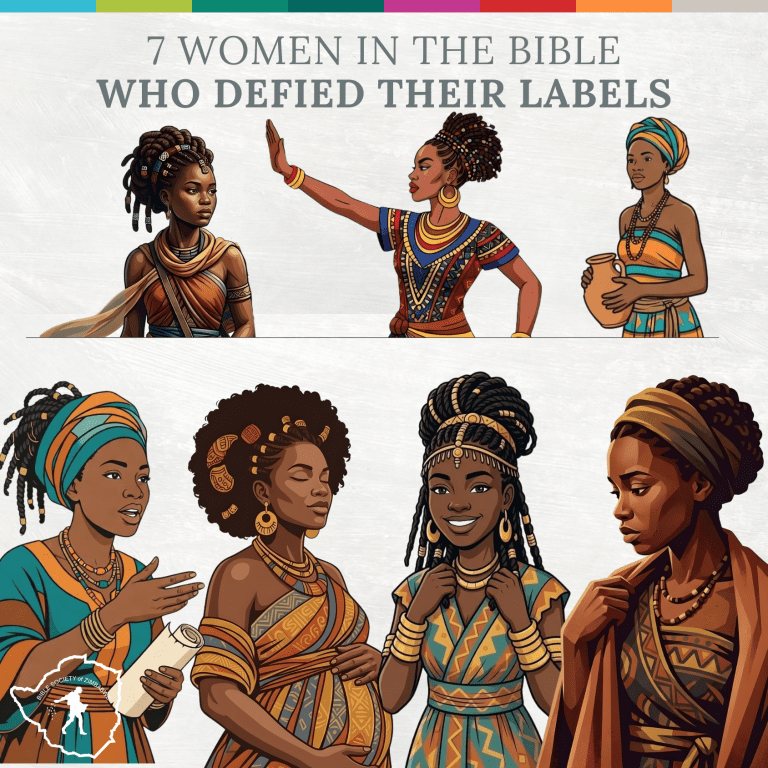
Labels are everywhere.
“Too emotional.”
“Too loud.”
“Too broken.”
“Single mother.”
“Divorced.”
“Uneducated.”
“Unwanted.”
For most young women, labels often come through social media comments, relationship expectations, workplace pressure, or cultural stereotypes. One viral moment can define how people see you forever.
But the Bible tells a different story.
Throughout Scripture, women were often defined by society’s harshest labels, yet God rewrote their identities. He didn’t see them as failures, outsiders, or problems.
He saw purpose.
If you have ever felt reduced to your mistakes or circumstances, these seven Bible moments reveal a powerful truth:
You are more than the title people gave you.
1. Rahab — From Harlot to Hero of Faith
Bible Verse — Joshua 2:11
“The Lord your God is God in heaven above and on the earth below.”
Rahab was known by one title: prostitute.
In her society, that label defined everything about her reputation and future. People would have dismissed her as morally unworthy.
Yet when Israelite spies entered Jericho, Rahab chose courage over fear. She protected them because she believed in God before many Israelites themselves showed faith.
God didn’t erase her past, He redeemed it.
She later became part of the lineage of Jesus.
Key takeaway: Your worst chapter does not cancel your future chapters.
2. Leah — The Woman Who Felt Invisible
Bible Verse — Genesis 29:31 (NIV)
“When the Lord saw that Leah was not loved, he enabled her to conceive.”
Leah lived with one painful label: unwanted.
Chosen through deception, she entered marriage knowing her husband loved someone else.
In today’s terms, Leah might have struggled with comparison culture, constantly measuring herself against someone prettier, more loved, or more successful.
But God noticed what people ignored.
Through Leah came Judah, the tribe from which Jesus would come.
Key takeaway: God sees you even when people overlook you.
3. The Woman with the Issue of Blood — From “Unclean” to Restored
Bible Verse — Mark 5:34
“Daughter, your faith has healed you. Go in peace.”
For twelve years, Woman with the Issue of Blood lived under a devastating label: unclean.
She couldn’t freely worship or socialize.
Imagine being cancelled for twelve straight years.
No invitations. No hugs. No community.
Yet she broke social rules to reach Jesus.
Instead of rebuke, Jesus gave her a new title: Daughter.
God replaced exclusion with belonging.
Lesson: Healing sometimes begins when you stop waiting for permission to approach God.
4. Mary Magdalene — From Broken Past to First Witness
Bible Verse — Luke 8:2
“Mary called Magdalene… from whom seven demons had come out.”
Many people remember Mary Magdalene only through rumours or misconceptions.
Her history included spiritual torment.
But Jesus restored her dignity.
At the resurrection, she became the first witness to the risen Christ, trusted with history’s greatest announcement.
Lesson: Your healing story can become someone else’s hope story.
5. The Samaritan Woman — From Scandal to Evangelist
Bible Verse — John 4:29
“Come, see a man who told me everything I ever did.”
Samaritan woman at the well carried multiple labels:
- Divorced repeatedly.
- Social outsider.
- Ethnic minority.
She fetched water at noon, alone and avoiding judgmental eyes.
Yet Jesus chose her for one of the longest recorded conversations in the Gospels.
She became the first evangelist to her town.
The woman everyone avoided became the woman everyone listened to.
Lesson for today: God can use the person society scrolls past.
6. Hannah — From “Barren” to Bold Prayer Warrior
Bible Verse — 1 Samuel 1:27
“I prayed for this child, and the Lord has granted me what I asked of him.”
In ancient culture, infertility defined a woman’s worth.
Hannah endured mockery and emotional pain because she could not have children.
People saw failure.
God saw faith.
Her honest prayers birthed Samuel, one of Israel’s greatest prophets.
Reminder: Delays are not denials.
7. Esther — From Orphan to Nation Saver
Bible Verse — Esther 4:14
“And who knows but that you have come to your royal position for such a time as this?”
Esther began life with another label: orphan.
No privilege. No protection.
Yet God positioned her as queen during a national crisis.
Her courage saved an entire people.
Sometimes your story’s hardest beginning prepares you for your greatest influence.
Truth: Purpose often hides inside uncomfortable seasons.
Interactive Reflection — What Labels Have You Been Given?
Maybe yours sound like:
- Failure.
- Too old.
- Too young.
- Single.
- Emotional.
- Poor.
- Not educated enough.
Now ask yourself:
What does God call you instead?
Scripture says:
- Chosen.
- Loved.
- Redeemed.
- Daughter.
- Strong.
- Called.
The Bible consistently shows that God specializes in rewriting identities.
Final Thought — God Renames Stories
If history teaches us anything, it is this:
God does not consult public opinion before calling someone.
Rahab was not only a prostitute.
Leah was not only unloved.
The bleeding woman was not only unclean.
They were daughters, leaders, witnesses, and history-makers.
And so are you.
Because in God’s story, You are always more than a title.

God does not only speak through sound, but also through creation, actions, and signs. His voice reaches every heart, including the Deaf community, reminding us that His Word is not bound to speech alone.
1. Psalm 19:2 – “Day after day they pour forth speech; night after night they reveal knowledge.”
Creation itself is a sermon without words. The sunrise, the rustling trees, the starry skies — all proclaim God’s greatness without a single sound. For those who cannot hear, the beauty of creation becomes a living reminder that God’s voice is visible in the world around us.
2. Romans 1:20 – “For since the creation of the world God’s invisible qualities—his eternal power and divine nature—have been clearly seen…”
Even without spoken language, God’s power and presence are clear through what He has made. This verse shows us that God built communication into creation itself — it speaks to the eyes and the heart as much as to the ears.
3. Mark 7:33–35 – “After he took him aside, away from the crowd, Jesus put his fingers into the man’s ears. Then he spit and touched the man’s tongue… At this, the man’s ears were opened.”
Jesus did not simply say, “Be healed.” He used touch and action to communicate with a Deaf man. This reminds us that God understands all forms of communication and meets us where we are, even without words.
4. John 13:14–15 – “Now that I, your Lord and Teacher, have washed your feet, you also should wash one another’s feet.”
Here, Jesus speaks through action. By washing His disciples’ feet, He gave a powerful lesson on humility and love without preaching a sermon. His actions carried God’s message clearly, even in silence.
5. Habakkuk 2:11 – “The stones of the wall will cry out, and the beams of the woodwork will echo it.”
Even lifeless objects can ‘speak’ God’s truth. This shows that communication with God goes beyond sound. Silence itself, or even creation’s stillness, can testify to His justice and holiness.
6. Acts 2:6 – “When they heard this sound, a crowd came together… because each one heard their own language being spoken.”
On the day of Pentecost, the Holy Spirit ensured that everyone heard the gospel in their own language. Today, this includes sign languages. God makes His Word accessible to every person, no matter how they communicate.
7. Isaiah 29:18 – “In that day the deaf will hear the words of the scroll, and out of gloom and darkness the eyes of the blind will see.”
God promises a day of full inclusion. The Deaf will experience His Word, and His truth will shine where there was once silence. This verse is a beautiful picture of hope, reminding us that God’s love is for all.
Closing Reflection
God speaks through more than words. He speaks through creation, actions, signs, and the language of the heart. The Deaf remind us that hearing is not the only way to experience God — His voice is visible, tangible, and present in every language, including sign language. His message is clear: “I love you. You belong to Me.”
Get ready to mark your calendars with colorful crayons because April 2nd isn’t just any ordinary day – it’s International Children’s Book Day! This day is all about diving into the charming world of children’s literature. It’s like a giant hug for books and a high-five for reading, inspiring kids everywhere to embark on grand adventures through the pages of their favorite stories. This special day aims to promote children’s books and reading, as well as to inspire a love of literature among children worldwide. So grab your favorite cozy spot, your trusty bookmark, and let’s journey together through the wonderful land of books!
As you celebrate International Children’s Book Day, it’s an opportune moment to reflect on the profound impact of Bible stories in the lives of your little ones. The Bible itself is a rich source of storytelling, filled with narratives that have captivated hearts and minds for generations. The stories within the Bible speak to the core of human experience and offer guidance for living a life of faith and virtue.
Bible Story books hold significant importance as books for children for several reasons:
- Guidance on what is right and wrong: The Bible contains timeless stories that teach important moral and ethical lessons, such as kindness, compassion, honesty, and forgiveness. These stories provide children with a foundation for understanding right from wrong and help shape their character and values. An example is the story of The Good Samaritan (Luke 10 v 25-37).
- Spiritual and Religious Education: The Bible serves as a fundamental tool for teaching children about faith, spirituality, and the principles of Christianity. It helps children develop a sense of connection God and understand their place within their respective communities. An example is the story of Daniel in the lions’ den (Daniel 6).
- Value in literature: Many stories in the Bible are beautifully crafted narratives with rich imagery, symbolism, and poetic language. Introducing children to these stories can foster an appreciation for literature and storytelling, enhancing their language skills and imagination. An example is the Creation story (Genesis 1 -2).
- Source of Comfort and Guidance: The Bible offers comfort and reassurance to children during difficult times. Its stories of hope, perseverance, and divine love can provide comfort and guidance when children face challenges or uncertainties in their lives. The story of Jairus’ daughter (Mark 5 v 21-43).
- Family and Community Bonding: Reading and discussing Bible stories together as a family or within a religious community can strengthen familial bonds and create a sense of belonging and shared identity. It provides opportunities for meaningful conversations and connections between generations. Story of Joseph and his brothers (Genesis 37-50).
- Critical Thinking and Reflection: Encouraging children to engage critically with the stories and teachings of the Bible fosters their ability to think analytically, ask questions, and reflect on their own beliefs and values. This critical thinking skill is essential for their intellectual and spiritual development. The Parable of the Talents (Matthew 25:14-30)
It is very important that you take part in this celebration (Established by the International Board on Books for Young People (IBBY)) by making Bible story books a priority in your children’s reading materials, educational settings, and households. You must focus not only on developing their intellect but also on shaping their character, preparing them to face life’s trials with integrity and determination. Let’s unite in embracing the wisdom found in these stories, planting the seeds for a future marked by compassion and enlightenment for all.

When does Lent begin?
Lent starts on a different date every year because its beginning depends on the date of Easter. Easter falls on the first Sunday after the first full moon of spring. Consequently, all days related to Easter shift each year with the new date. The Lenten season commences precisely 46 days before Easter Sunday. The first day is always a Wednesday, known as Ash Wednesday.
What is Ash Wednesday?
Ash Wednesday marks the first day of Lent. On this day, many Christians have an ash cross drawn on their foreheads. The priest or minister takes ash on the thumb of the right hand and uses it to draw a cross on the foreheads of the faithful. While doing so, the priest or minister recites a text, often a variation of these verses from Genesis 3:19:
You will eat your food by the sweat of your brow until you return to the ground, since from it you were taken: for dust you are, and to dust you will return. (Genesis 3:19 NIV)
Or the directive from Mark 1:15:
“The time has come,” he said. “The kingdom of God has come near. Repent and believe the good news!” (Mark 1:15 NIV)
The ash cross on the forehead is a practice primarily found in the Roman Catholic Church and some Protestant churches. In other churches, such as the Old Catholic Church and the Eastern Orthodox Church, it is customary to sprinkle ash over the heads of the faithful instead of drawing a cross. However, the meaning remains the same, revolving around the symbolism of ash. In Biblical times, sprinkling ash on one’s head symbolised mourning. Furthermore, ash can make the ground fertile again and can have a purifying effect. The ash cross signifies believers’ acknowledgement that they need God and their continuous choice for what is pure and fruitful: the message of Jesus.
What does Lent mean?
For many Christians, Lent is a time of introspection and reflection. Adequate preparation is required to genuinely celebrate the Easter feast. The forty-day period recalls Jesus’s time in the wilderness, being tested by the devil. (Curious? Read about it in Matthew 4.) During Lent, many Christians undertake something extra. For example, they may read more from the Bible, contribute extra to their community, or choose to abstain from certain luxuries through fasting.
Why is Lent called the fasting period?
Lent is also known as the fasting period because many believers fast during this time. Carnival is celebrated just before Lent, with extravagant festivities and indulgence in all that life has to offer, followed by a period of fasting. Although fasting was often more stringent in the past, many believers still observe fasting during Lent. For instance, they may eat sparingly or abstain from certain foods on specific days or throughout the entire period. Some may even choose to reduce their use of social media for 40 days or abstain from alcohol.
Why does Lent last for 46 days?
Oddly enough, Lent is not exactly 40 days long. From Ash Wednesday to Easter Sunday, it spans 46 days because the six Sundays are not included. Additionally, if you practise fasting during Lent, Sundays are not required, as they are considered special days for believers and are therefore considered holidays.
What are your plans for Lent this year?
The story of Jesus is the ultimate glow-up, from a newborn in a manger to the Savior of the world. His journey isn’t just inspiring; it’s transformative for everyone who believes. Let’s unpack how Jesus’ humble beginnings and divine mission changed history forever, all rooted in Scripture.
1. A Humble Start
“And she gave birth to her firstborn, a son. She wrapped him in cloths and placed him in a manger, because there was no guest room available for them” (Luke 2:7).
Jesus’ story begins in the most unassuming way imaginable. Born in a small town and placed in a manger because there was no room for His family in the inn, His birth reflected humility and simplicity. The King of Kings arrived without the fanfare one might expect for royalty. Yet, this humble start sets the stage for a life that would redefine greatness, teaching us that our worth isn’t tied to our circumstances but to God’s purpose for our lives.
2. Announced to the Underdogs
“But the angel said to them, ‘Do not be afraid. I bring you good news that will cause great joy for all the people’” (Luke 2:10).
Imagine being a shepherd on a quiet night, and suddenly, the sky lights up with angels announcing the birth of the Savior. The first people to hear about Jesus’ birth weren’t rulers or religious leaders but shepherds, ordinary, overlooked individuals. This choice reflects God’s heart for the marginalized and forgotten. By starting with the underdogs, God showed that His kingdom is for everyone, regardless of status or position.
3. Prophesied to Change the World
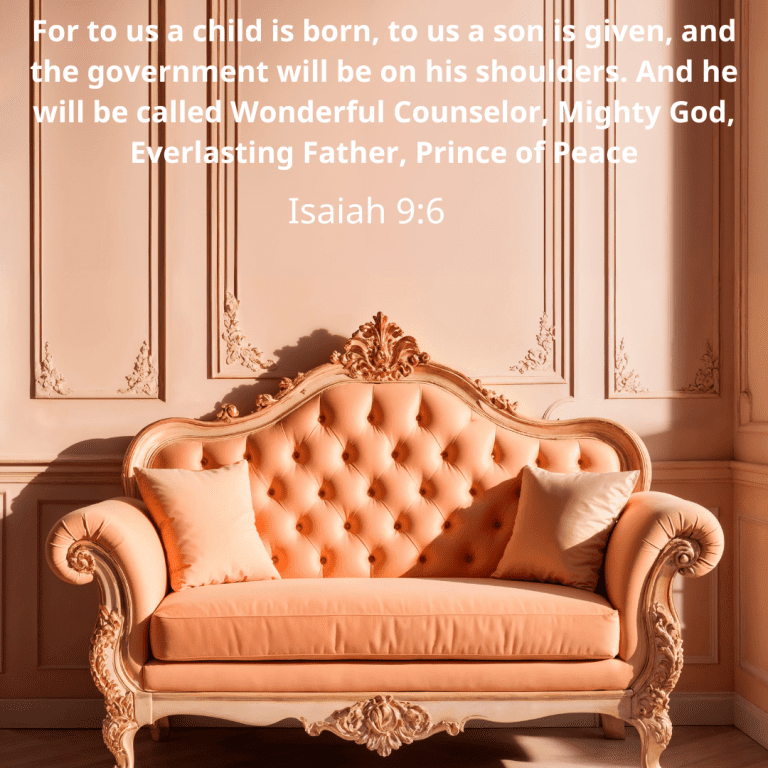
“For to us a child is born, to us a son is given, and the government will be on his shoulders. And he will be called Wonderful Counselor, Mighty God, Everlasting Father, Prince of Peace” (Isaiah 9:6).
Centuries before Jesus’ birth, the prophet Isaiah foretold His arrival. This verse captures His divine mission: to bring peace, guidance, and hope to a broken world. Jesus wasn’t just another leader; He was the fulfillment of a promise, the embodiment of God’s love, and the answer to humanity’s deepest needs. His glow-up was written in the stars long before He took His first breath.
4. Growing in Wisdom and Favor
“And Jesus grew in wisdom and stature, and in favor with God and man” (Luke 2:52).
Jesus’ childhood wasn’t skipped over in His story. He grew up like us, experiencing the challenges and joys of life. From His time in the temple as a young boy, astounding scholars with His understanding, to His later years preparing for His ministry, Jesus’ growth shows that even the Savior embraced the process of learning and maturing. This reminds us that growth, both spiritual and personal, is a vital part of God’s plan for our lives.
5. The Moment of Revelation
“Then a voice came from heaven, ‘You are my Son, whom I love; with you I am well pleased’” (Mark 1:11).
At His baptism, Jesus’ identity was publicly affirmed by God Himself. The heavens opened, and God declared His love for His Son, marking the beginning of Jesus’ public ministry. This moment wasn’t just about Jesus, it was a revelation for the world, a confirmation that the Messiah had come to fulfill His divine mission. It was a turning point, transitioning Him from preparation to action.
6. Sacrificial Love for All
“But God demonstrates his own love for us in this: While we were still sinners, Christ died for us” (Romans 5:8).
Jesus’ glow-up wasn’t about personal gain or recognition. It was about love, sacrificial, selfless, and unconditional. His journey led to the cross, where He paid the ultimate price for our sins. This act of love redefined what it means to give, showing that true greatness lies in serving and sacrificing for others. Jesus’ death and resurrection opened the door for everyone to experience God’s grace.
7. Risen and Reigning
“He is not here; he has risen, just as he said. Come and see the place where he lay” (Matthew 28:6).
The ultimate glow-up: Jesus conquered death. His resurrection wasn’t just a miracle; it was the fulfillment of His promise and the foundation of our faith. By rising from the grave, Jesus proved that He has power over sin and death, offering eternal life to all who believe. His reign as the risen Savior continues to transform lives today.
The Bottom Line
Jesus’ journey from the manger to the cross and beyond is a story of transformation, humility, and redemption. His life redefined greatness and brought hope to the world. As we reflect on His glow-up, let’s remember that His story isn’t just history, it’s an invitation to experience a glow-up of our own through faith in Him.
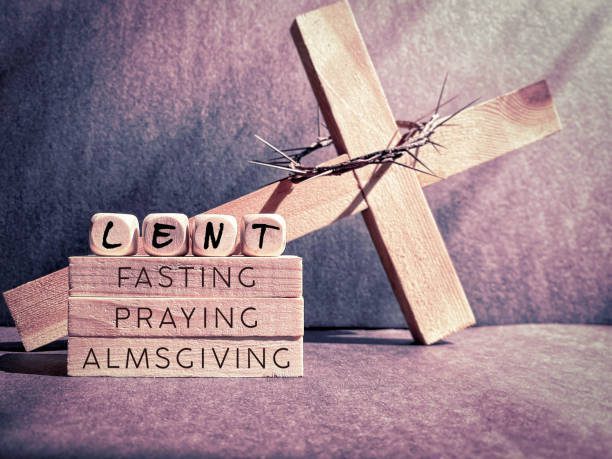
A Time of Reflection and Renewal (Lent)
Introduction:
The Lenten season, observed by some Christians worldwide, is a period of reflection, repentance, and spiritual preparation leading up to Easter Sunday. Rooted in centuries of tradition, Lent holds profound significance for believers as they embark on a journey of self-examination, sacrifice, and renewal.
Definition and Duration:
Lent is a solemn 40-day period (excluding Sundays) that commences on Ash Wednesday and concludes on Holy Saturday, the day before Easter. The duration symbolises the 40 days Jesus spent fasting in the desert (Luke 4:1-13), resisting temptation before beginning his public ministry. The word “Lent” itself is derived from the Old English word “lencten,” meaning spring, emphasising the season of new life and growth.
Practices and Traditions:
Fasting and Abstinence:
Fasting is a central pillar of Lent, representing a symbolic sacrifice and a means of self-discipline. Traditionally, Christians abstain from certain foods or activities, fostering a sense of solidarity with Jesus’ journey. Many choose to give up a particular luxury or habit, redirecting their focus towards spiritual growth.
Prayer:
Prayer is another pillar in the Lenten season. Devout Christians engage in daily prayers, meditation, and contemplation, seeking a deeper connection with God.
Almsgiving:
Acts of charity and generosity are emphasised during Lent, with believers encouraged to give to those in need. This practice aligns with the spirit of sacrifice and compassion, reflecting Jesus’ teachings on love and service to others.
Conclusion:
The Lenten season stands as a powerful and meaningful period for Christians around the world. Through fasting, prayer, and acts of kindness, believers embark on a spiritual journey, mirroring the transformative process of self-denial and renewal that Jesus experienced in the desert. As a time of introspection and preparation, Lent serves as a reminder of the central themes of the Christian faith—repentance, sacrifice, and the hope of resurrection. In embracing these practices, believers find a deeper connection to their faith and a renewed sense of purpose as they await the joyous celebration of Easter.
From Manger Baby to World Savior: Glow-Up of the Century
Jesus’ journey from the manger to the cross and beyond is a story of transformation, humility, and redemption. His life redefined greatness and brought hope to the world. As we reflect on His glow-up, let’s remember that His story isn’t just history, it’s an invitation to experience a glow-up of our own through faith in Him.
Lent
The Lenten season stands as a powerful and meaningful period for Christians around the world. Through fasting, prayer, and acts of kindness, believers embark on a spiritual journey, mirroring the transformative process of self-denial and renewal that Jesus experienced in the desert.
Lent
Lent starts on a different date every year because its beginning depends on the date of Easter. Easter falls on the first Sunday after the first full moon of spring. Consequently, all days related to Easter shift each year with the new date. The Lenten season commences precisely 46 days before Easter Sunday. The first day is always a Wednesday, known as Ash Wednesday.
7 World Cup Lessons for a Faith That Lasts
Seven daily lessons from the World Cup's opening week, drawing on a champion's preparation to build the foundations of a faith that lasts.
Jesus’ journey from the manger to the cross and beyond is a story of transformation, humility, and redemption. His life redefined greatness and brought hope to the world. As we reflect on His glow-up, let’s remember that His story isn’t just history, it’s an invitation to experience a glow-up of our own through faith in Him.
The Lenten season stands as a powerful and meaningful period for Christians around the world. Through fasting, prayer, and acts of kindness, believers embark on a spiritual journey, mirroring the transformative process of self-denial and renewal that Jesus experienced in the desert.
Lent starts on a different date every year because its beginning depends on the date of Easter. Easter falls on the first Sunday after the first full moon of spring. Consequently, all days related to Easter shift each year with the new date. The Lenten season commences precisely 46 days before Easter Sunday. The first day is always a Wednesday, known as Ash Wednesday.
Seven daily lessons from the World Cup's opening week, drawing on a champion's preparation to build the foundations of a faith that lasts.