
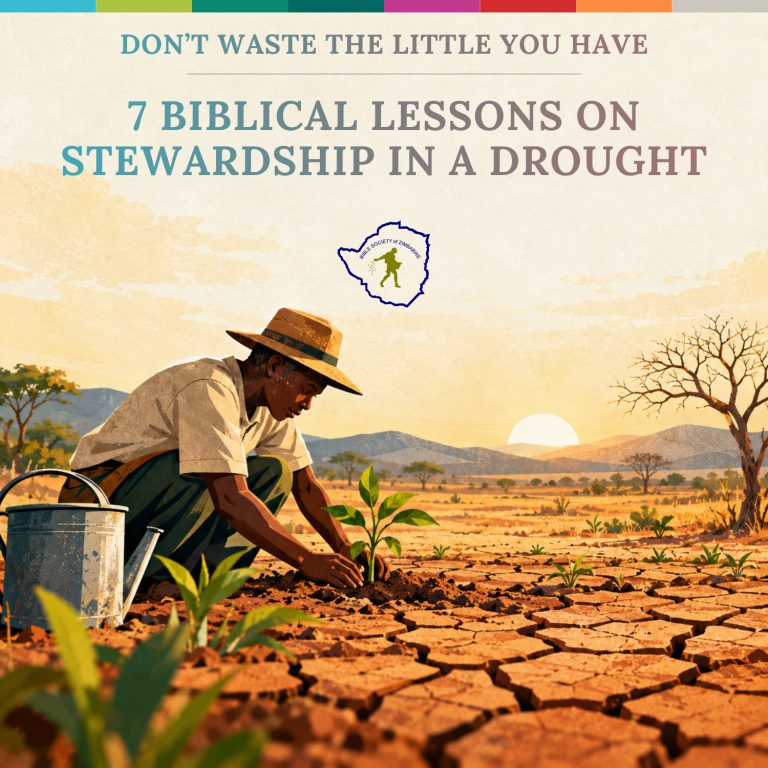
Stewardship in a drought means using every drop, meal and dollar wisely. Seven Bible verses, including Luke 16:10, John 6:12 and Hebrews 13:16, teach believers to avoid waste, plan carefully, share generously, care for creation and trust God daily. Small resources, managed faithfully and shared freely, go further than expected.
When resources are scarce, every drop of water, every meal and every dollar matters. During a drought, we may not have control over the weather, but we can control how we use what we have.
The Bible teaches us that everything we have is ultimately entrusted to us by God. Stewardship means using those resources wisely, not wasting them, but sharing them and making them count.
Here are 7 Bible verses to guide us through a season of scarcity.
1. Every Drop Matters
“Whoever can be trusted with very little can also be trusted with much.” — Luke 16:10 (NIV)
When water’s tight, wasting even a bit can cause big problems. Same goes for food and cash. Being loyal starts with how you treat the little things you have right now.
2. Don’t Waste Food
“When everyone had enough to eat, Jesus said to his disciples, ‘Gather the pieces that are left over. Let nothing be wasted.’” — John 6:12 (NIV)
After feeding thousands, Jesus told His crew to gather up the leftovers. Even when God hooks us up big time, wasting stuff isn’t the move. When times get dry, let’s grab just what we need, keep food fresh, and find ways to share what we’ve got.
3. Spend With Wisdom
“The plans of the diligent lead to profit as surely as haste leads to poverty.” — Proverbs 21:5 (NIV)
When things are tight, you gotta plan ahead. Whether it’s budgeting groceries, cutting back on extra spending, or getting ready for tough months, smart planning helps families make what they have go a lot further.
4. Share What You Have
“Do not forget to do good and to share with others, for with such sacrifices God is pleased.” — Hebrews 13:16 (NIV)
Taking care of what we’ve got isn’t just about holding on tight. Sometimes the real move is using what we have to help someone who’s got even less. A bucket of water, a meal, groceries, or some cash can seriously change someone’s day.
5. Take Care of What God Has Entrusted to Us
“The Lord God took the man and put him in the Garden of Eden to work it and take care of it.” — Genesis 2:15 (NIV)
Looking out for the planet is on us. When there’s a drought, that means using water wisely, keeping soil healthy, cutting down on waste, and taking care of animals, gardens, and other stuff we depend on.
6. Don’t Despise Small Contributions
“Whoever is kind to the poor lends to the Lord, and he will reward them for what they have done.” — Proverbs 19:17 (NIV)
You might think you don’t have much to give, but generosity isn’t always about big things. Sometimes the little you can share means the most when it comes straight from the heart.
7. Trust God, But Do Your Part
“Give us today our daily bread.” — Matthew 6:11 (NIV)
Jesus shows us to count on God for what we need each day. But trusting God doesn’t mean just wasting what He gives. We pray for help, but also make smart choices, avoid wasting stuff, and look out for each other.
A Dry Season Is a Call to Stewardship
Drought reminds us that resources we sometimes take for granted, water, food, money and even time are precious.
We may not be able to make it rain, but we can make every drop count. We can waste less. Plan better. Share more. Care for creation. Support struggling families. And above all, continue trusting God.
The little you have may not feel like much. But when managed wisely and shared generously, it can go further than you think.

How Families Can Receive Returnees From South Africa with Love
Returning home after being forced to leave South Africa can be an emotional and difficult experience. For some returnees, coming home may bring relief because they are reunited with family. For others, it may bring embarrassment, disappointment, financial pressure and uncertainty about what comes next.
This is where family matters.
The first few days and weeks after returning can shape how a person begins to rebuild. Families can either make the returnee feel like a failure, or remind them that home is still a place where they are loved, valued and accepted.
The Bible gives us principles that can guide families in creating that kind of welcome.
1. Welcome Them Before You Question Them
When someone returns, the natural reaction may be to ask:
“What happened?”
“Why were you sent back?”
“Where is the money you made?”
“What happened to your belongings?”
But sometimes, the person first needs to hear:
“Welcome home. We are glad you are here.”
The story can come later.
Jesus’ story of the prodigal son gives us a powerful picture of a father who saw his son returning and ran to welcome him.
“So he got up and went to his father. But while he was still a long way off, his father saw him and was filled with compassion for him; he ran to his son, threw his arms around him and kissed him.” — Luke 15:20 (NIV)
The father did not begin by interrogating his son.
He welcomed him.
Families can learn from this. Before asking what happened in South Africa, make sure the returnee knows that they are wanted at home.
2. Listen Without Turning Their Story Into a Courtroom
Some returnees may want to talk immediately. Others may need time.
Their experiences may involve difficult memories, loss, discrimination, unemployment, separation from loved ones or the sudden disruption of their lives.
Don’t force them to explain everything.
Instead, create an environment where they know:
“When you are ready to talk, I am here to listen.”
“Everyone should be quick to listen, slow to speak and slow to become angry.” — James 1:19 (NIV)
Listening does not mean agreeing with everything they say.
It means giving them enough space to tell their story without immediately judging, correcting or blaming them.
Sometimes what a returnee needs most is not advice, they simply need someone who will listen.
3. Don’t Make Them Feel Like They Failed
One of the most painful things for a returnee may be feeling that they have disappointed their family.
Perhaps they left expecting to send money home. Perhaps relatives expected them to return with a car, build a house or start a business.
Instead, they have returned with very little.
This can create enormous shame.
Families should resist statements such as:
“You were in South Africa all those years and came back with nothing?”
Instead, ask:
“What can we do to help you start again?”
“Carry each other’s burdens, and in this way you will fulfill the law of Christ.” — Galatians 6:2 (NIV)
A family should not add to someone’s burden.
4. Give Them a Safe Place to Rebuild
Coming home does not automatically mean that everything is okay.
A returnee may be wondering:
- Where will I work?
- How will I support my children?
- What can I do now?
- Will people respect me?
- Can I start a business?
- What will my friends say?
- Have I lost everything I worked for?
Family can become the safe environment from which the person begins rebuilding.
“Therefore encourage one another and build each other up, just as in fact you are doing.” — 1 Thessalonians 5:11 (NIV)
Encouragement is not pretending that everything is fine, it is helping someone believe that their current situation is not the end of their story.
5. Don’t Turn Their Return Into Family Gossip
A returnee’s story belongs to them.
Before sharing their situation with neighbours, church members, friends or extended family, consider how that might affect them.
Imagine returning home already feeling embarrassed, only to discover that everyone in the community knows what happened to you.
Families should protect the dignity of their returning loved ones.
“Love each other deeply, because love covers over a multitude of sins.” — 1 Peter 4:8 (NIV)
Love does not expose someone’s vulnerability for entertainment.
Love protects. Instead of discussing the returnee behind their back, create a culture where their dignity is respected.
6. Don’t Only Give Them Food—Help Them Find Their Future
Practical support is important.
A family may provide food, accommodation, clothing or transport. But long-term support also means helping the returnee think about what comes next.
Ask:
“What skills did you gain?”
“What kind of work would you like to do?”
“What can we help you start?”
“Who can we connect you with?”
The returnee may have skills and experiences that can be valuable back home.
“Each of you should use whatever gift you have received to serve others, as faithful stewards of God’s grace in its various forms.” — 1 Peter 4:10 (NIV)
Their journey may have been difficult, but it may also have given them skills, resilience and experience. Help them see what they still have, not only what they have lost.
7. Remind Them: They Still Belong
Perhaps the most important message a family can communicate is:
“You are still one of us.”
Circumstances may have changed.
Their finances may have changed.
Their plans may have changed.
But their value has not.
The Bible reminds us that our identity and worth ultimately come from God.
“See what great love the Father has lavished on us, that we should be called children of God!” — 1 John 3:1 (NIV)
A returnee should not be defined by deportation, unemployment, financial loss or what happened in South Africa. They are more than what happened to them. They are a person with dignity, gifts, relationships, dreams and a future.
A Final Word to Families
If someone you love has returned from South Africa, don’t make their homecoming another source of pain.
They may already be grieving a lost job, lost possessions, lost opportunities or a dream that did not work out as planned.
Let home be different.
Let it be the place where they can breathe.
Let it be the place where they are heard without judgment, supported without shame and encouraged to begin again.
They may have returned without everything they hoped for, but they have not returned without hope.
And sometimes, the first step toward rebuilding someone’s life is simply making sure they know:
“You are home. You are loved. You still belong.”
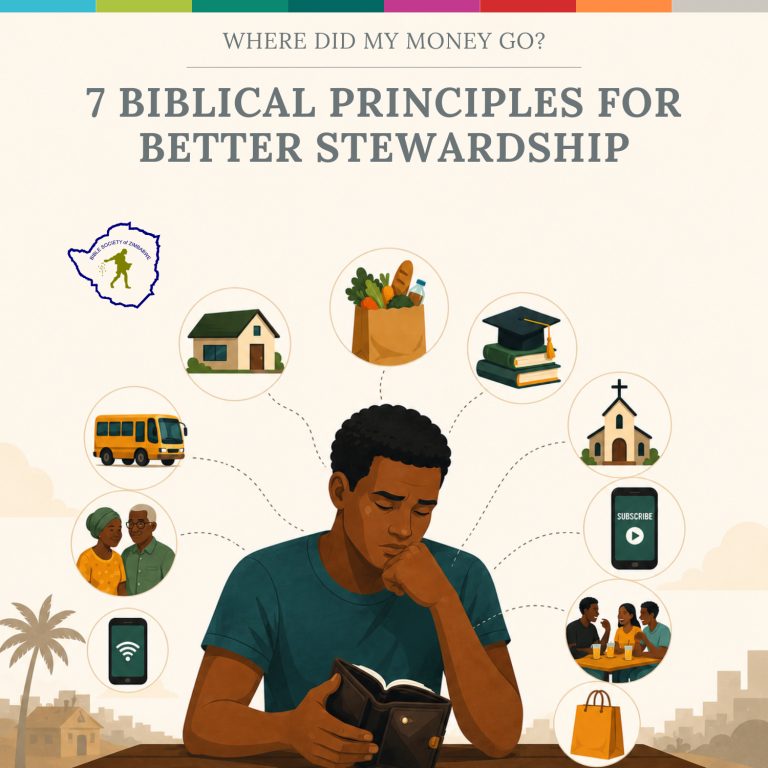
From payday excitement to “insufficient funds”, how can young Christians honour God with their finances?
The salary notification finally drops.
“Salary has been credited to your account.”
You smile.
The first thing you do? Maybe you send a screenshot to your friends, order that meal you’ve been craving, buy new sneakers you’ve been eyeing, or finally upgrade your data bundle. After all, you’ve worked hard, you deserve it.
Fast forward a week (or sometimes just three days).
You open your banking app.
Balance: $12.43.
You stare at your phone and ask the question almost every young African has asked at some point:
“Where did my money go?”
Between rent, transport, groceries, helping your parents, paying school fees, church contributions, mobile data, subscriptions, weekend plans, and those “I’ll just buy one thing” moments, it’s easy to lose track of where your salary disappeared.
The Bible may not mention debit cards, EcoCash, M-Pesa, Airtel Money, online shopping, or food delivery apps, but it has plenty to say about managing money wisely.
Here are seven biblical principles that can help you become a better steward of what God has entrusted to you.
1. Remember Whose Money It Really Is
Psalm 24:1 (NIV)
“The earth is the Lord’s, and everything in it…”
It’s easy to think, “It’s my salary. I earned it.” While it’s true that you worked for it, every opportunity, skill, and source of income ultimately comes from God.
When we see money as something God has entrusted to us, not something we own outright, we begin to spend it differently.
Instead of asking, “What do I want?” we begin asking, “How can I honour God with what He’s given me?”
Reality Check: Gratitude is a better first response to payday than a shopping spree.
2. Budget Before Your Money Budgets You
Proverbs 21:5 (NIV)
“The plans of the diligent lead to profit as surely as haste leads to poverty.”
Many young people know exactly when payday is, but not where their money is going.
Without a plan, it’s easy to spend on takeaways, online deals, or nights out, only to realise rent or transport money is running low.
A budget isn’t about restricting your life, it’s about directing your money towards what matters most.
Reality Check: If you don’t tell your money where to go, you’ll spend the month wondering where it went.
3. Don’t Let Impulse Buying Empty Your Wallet
Luke 14:28 (NIV)
“Suppose one of you wants to build a tower. Won’t you first sit down and estimate the cost…?”
A flash sale.
A “Buy Now, Pay Later” offer.
A friend says, “Let’s just go out, it’s payday!”
A notification says, “Only two hours left!”
Sound familiar?
Companies are experts at making us feel like we need something immediately. But wisdom teaches us to pause before we purchase.
Before clicking “Buy Now,” ask yourself:
- Do I actually need this?
- Can I afford it?
- Will I still be happy with this purchase next week?
Sometimes the smartest purchase is the one you don’t make.
4. Don’t Spend Your Future Paying for Today’s Wants
Proverbs 22:7 (NIV)
“The borrower is slave to the lender.”
Debt isn’t always avoidable, but unnecessary debt can become a heavy burden.
Buying things simply to keep up with friends or impress people on social media often leads to stress later.
Living within your means may not always look exciting online, but it brings peace offline.
Reality Check: Financial freedom is worth more than looking rich for a weekend.
5. Save Something—Even If It’s Small
Proverbs 6:6–8 (NIV)
“Go to the ant… it stores its provisions…”
Saving can feel impossible, especially when your salary already has so many demands.
But saving isn’t about how much you earn, it’s about developing the habit of preparing for tomorrow.
Whether it’s enough for an emergency, a business idea, further studies, or helping your family in the future, small, consistent savings can grow over time.
Reality Check: You don’t need a big income to build good financial habits.
6. Make Room for Generosity
2 Corinthians 9:7 (NIV)
“God loves a cheerful giver.”
When money is tight, generosity can seem impossible.
Yet some of the most generous people don’t have the biggest salaries, they simply have generous hearts.
Generosity isn’t only about money. It can mean buying lunch for a friend who’s struggling, supporting a community project, giving towards God’s work, or helping a neighbour in need.
Giving reminds us that our security is found in God, not in our bank balance.
Reality Check: A generous heart is never measured by the size of a salary.
7. Your Bank Balance Doesn’t Define Your Worth
Matthew 6:33 (NIV)
“But seek first his kingdom and his righteousness, and all these things will be given to you as well.”
Some readers will end this month with money left over.
Others will be counting every coin until the next payday.
Some may not even have a job right now.
Whatever your financial situation, remember this: your value isn’t determined by the number in your account.
Your identity is found in Christ.
Money comes and goes. Jobs change. Economies rise and fall. But God’s love, His faithfulness, and His purpose for your life remain constant.
Seek Him first, and trust Him to guide you in every financial season.
Final Thoughts
At the end of the month, don’t just ask:
“Where did my money go?”
Ask yourself:
- Did my spending reflect my values?
- Did I honour God with what He entrusted to me?
- Did I prepare for tomorrow while meeting today’s needs?
- Was I generous, even in small ways?
Being a good steward isn’t about having the highest salary or the latest phone. It’s about making wise decisions with whatever God places in your hands.
As your next payday approaches, remember this: Money is a tool, not a master. Spend it with wisdom, save it with purpose, give it with joy, and trust God with the rest.
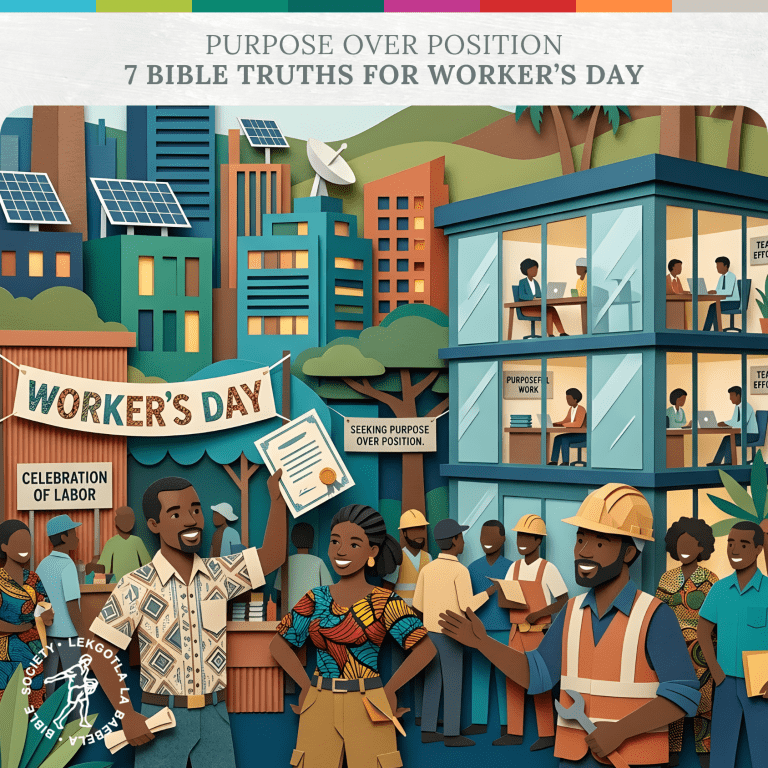
If you’re an employee, you’ve probably felt it.
The pressure to have the right job title.
The pressure to “announce something big.”
The pressure to look successful online, even when you feel lost offline.
Worker’s Day forces an honest question:
Is success about position… or purpose?
According to Scripture, God defines success very differently from LinkedIn, Instagram, or corporate culture.
Here are 7 powerful Bible verses about work, purpose, and true success, written directly to you, the student, intern, entrepreneur, unemployed graduate, creative, side-hustler, or 9–5 professional trying to figure it out.
- Your Work Is Worship — Even When No One Sees It
Colossians 3:23
“Whatever you do, work at it with all your heart, as working for the Lord, not for human masters.”
You may feel overlooked.
Underpaid.
Underqualified.
Or stuck in a job that doesn’t match your degree.
But God is not evaluating your job title. He is evaluating your heart.
When you answer emails with integrity, show up on time, or serve customers kindly, you are not just working for a boss, you are working for God.
Success is not visibility.
Success is faithfulness.
- Greatness in God’s Kingdom Looks Like Service
Matthew 20:26–28
“Whoever wants to become great among you must be your servant, and whoever wants to be first must be your slave — just as the Son of Man did not come to be served, but to serve…”
The world says:
Climb higher. Be known. Build status.
Jesus says:
Serve lower. Build people. Stay humble.
Real influence isn’t about being impressive, it’s about being impactful.
If you are mentoring someone, helping your team succeed, or supporting others quietly, you are living God’s definition of greatness.
Purpose is about contribution, not competition.
- Small Assignments Are Big Tests
Luke 16:10
“Whoever can be trusted with very little can also be trusted with much…”
You often want acceleration. Fast growth. Quick breakthroughs.
But God often builds success slowly.
That internship.
That volunteer role.
That side hustle with 5 customers.
These are not insignificant. They are character-building seasons.
Before God elevates position, He develops integrity.
- Skills Are God-Given — Not Random
Exodus 35:35
“He has filled them with skill to do all kinds of work… and all sorts of craftsmen to perform all kinds of work and to invent artistic designs.”
Your creativity?
Your coding ability?
Your business ideas?
Your communication skills?
They are not accidental.
God filled people with skill long before modern job descriptions existed.
If you are a creative, entrepreneur, designer, teacher, technician, or content creator, your talent is part of your calling.
Purpose is about stewarding what God has already placed in you.
- Promotion Comes From God
Psalm 75:6–7
“No one from the east or the west or from the desert can exalt themselves. It is God who judges: He brings one down, he exalts another.”
In a world obsessed with self-promotion, this is freeing.
You do not have to manipulate your way up.
You do not have to fake success.
God sees effort, character, and humility.
If you feel behind compared to your peers, remember:
Position is seasonal.
Purpose is eternal.
- Success Without Character Is Empty
1 Timothy 6:17–19
“Command those who are rich in this present world not to be arrogant nor to put their hope in wealth… but to do good, to be rich in good deeds…”
Money is not evil.
Ambition is not wrong.
But when your identity is tied to income or title, anxiety follows.
God defines success as being “rich in good deeds.”
Ask yourself:
- Am I growing in character?
- Am I helping others?
- Am I honouring God with my work?
That is lasting success.
- The Ultimate Promotion Is God Saying “Well Done”
Matthew 25:21
“Well done, good and faithful servant! You have been faithful with a few things; I will put you in charge of many things…”
Notice what the master praises.
Not popularity.
Not position.
Not public applause.
Faithfulness.
One day, the success that will matter most is not what your followers said, but what God says.
And He celebrates consistency, integrity, and obedience.
Worker’s Day Reflection
You are more than:
- Your job title
- Your unemployment status
- Your salary bracket
- Your LinkedIn headline
God’s definition of success is:
✔ Faithfulness
✔ Service
✔ Integrity
✔ Stewardship
✔ Impact
Position may change.
Purpose remains.
This Worker’s Day, choose purpose over pressure.

When we think of great love stories in the Bible, Zechariah and Elizabeth often stand in the shadows of more well-known couples like Ruth and Boaz or Jacob and Rachel. Yet, their story is one of deep love, unwavering faith, and patience in the face of life’s greatest trials. This love season, let’s reflect on their journey and what it teaches us about godly love.
1. A Love Built on Righteousness
Zechariah and Elizabeth were not just an ordinary couple. The Bible describes them as righteous, walking blamelessly before God. Their love was founded on their shared devotion to the Lord.
“Both of them were righteous in the sight of God, observing all the Lord’s commands and decrees blamelessly.” – Luke 1:6
Their relationship teaches us that a strong marriage is not just about romance but about walking together in faith and obedience to God.
2. A Marriage Tested by Waiting
For years, Zechariah and Elizabeth longed for a child, but Elizabeth remained barren. Despite the cultural shame and personal pain, their love endured. They didn’t turn against each other or against God. Instead, they continued to serve Him faithfully.
“Hope deferred makes the heart sick, but a longing fulfilled is a tree of life.” – Proverbs 13:12
Their story reminds us that true love stands strong, even in seasons of waiting and disappointment.
3. An Answer to Their Prayers
One day, while serving as a priest in the temple, Zechariah received an angelic visitation. The angel Gabriel announced that Elizabeth would bear a son, John the Baptist, who would prepare the way for the Lord.
“But the angel said to him: ‘Do not be afraid, Zechariah; your prayer has been heard. Your wife Elizabeth will bear you a son, and you are to call him John.’” – Luke 1:13
God’s timing is perfect. When we trust Him, He blesses us in ways beyond our expectations.
4. A Love Strengthened Through Trials
Zechariah initially doubted the angel’s message, and as a result, he was struck mute until the prophecy was fulfilled. Imagine Elizabeth’s role in this period—caring for her husband, encouraging him, and preparing for their long-awaited child.
“Two are better than one, because they have a good return for their labor: If either of them falls down, one can help the other up.” – Ecclesiastes 4:9-10
A strong marriage means supporting each other even when faith wavers.
5. Rejoicing in God’s Blessing
When Elizabeth finally conceived, she rejoiced, knowing that God had lifted her reproach.
“The Lord has done this for me. In these days he has shown his favour and taken away my disgrace among the people.” – Luke 1:25
Their story shows us that God’s blessings come in His perfect time, and when they do, they bring great joy.
6. A Legacy of Faith and Obedience
When their son was born, the community expected them to name him after Zechariah. But in obedience to God’s instruction, they named him John. Zechariah’s speech was restored, and he praised God.
“Immediately his mouth was opened and his tongue set free, and he began to speak, praising God.” – Luke 1:64
Love thrives when it is rooted in obedience to God’s will.
7. The Power of a Love That Glorifies God
Zechariah and Elizabeth’s love story wasn’t just about romance; it was about being part of God’s greater plan. Their faith and endurance led to the birth of John the Baptist, the forerunner of Jesus Christ.
“But seek first his kingdom and his righteousness, and all these things will be given to you as well.” – Matthew 6:33
When couples seek God first, their love becomes a testimony of His faithfulness.

When you think about Christmas gifts, what comes to mind? Maybe it’s the latest gadgets, trendy clothes, or even a heartfelt handmade card. But long before Christmas became about shopping sprees and wish lists, it was all about the gift, Jesus Christ. The OG. The original gift that redefined love, hope, and salvation. Let’s dive into why Jesus’ birth is the ultimate present we didn’t know we needed.
The Gift That Keeps on Giving
“For God so loved the world that He gave His one and only Son, that whoever believes in Him shall not perish but have eternal life” (John 3:16). Think about it: God sent Jesus not as a temporary fix but as a forever solution. Unlike gifts that break, get outdated, or lose their shine, Jesus’ impact is eternal. He offers us salvation, forgiveness, and a direct connection to God—no expiration date, no strings attached.
Wrapped in Humility
Jesus didn’t arrive with fanfare or luxury. No royal palace, no red carpet, not even a proper guest room. Instead, He was born in a manger, surrounded by animals and the humblest of circumstances Luke 2:7; “and she gave birth to her firstborn, a son. She wrapped him in cloths and placed him in a manger, because there was no guest room available for them”. Imagine expecting a king and getting a baby in a barn! Yet, this humble entrance shows us that God’s greatest gifts often come in unexpected packages. It’s a reminder that we don’t need glitz and glamour to experience God’s blessings.
The Priceless Gift
Here’s the thing: Jesus is free. You don’t have to work for Him, earn Him, or deserve Him. Romans 6:23 puts it plainly: “For the wages of sin is death, but the gift of God is eternal life in Christ Jesus our Lord.” Jesus paid the ultimate price on the cross so that we could freely receive the gift of grace. No amount of good deeds or fancy wrapping could ever compare to what He’s already done.
How to Receive the Gift
Opening a gift is easy: you just take it. The same goes for Jesus. He’s already been given; all you need to do is accept Him. Romans 10:9 says, “If you declare with your mouth, ‘Jesus is Lord,’ and believe in your heart that God raised Him from the dead, you will be saved.” This Christmas, amidst all the unwrapping, take a moment to open your heart to the greatest gift of all.
Paying It Forward
Jesus’ gift wasn’t just for you; it’s for everyone. Just like the shepherds who couldn’t keep the good news to themselves (Luke 2:17-18), When they had seen him, they spread the word concerning what had been told them about this child, and all who heard it were amazed at what the shepherds said to them. ,we’re called to share the joy. This could look like acts of kindness, sharing the gospel, or simply loving others the way Jesus loves us. When we give selflessly, we’re reflecting God’s heart and reminding the world of the true meaning of Christmas.
The Bottom Line
Jesus is the OG Christmas gift, the ultimate expression of love, hope, and redemption. While the gifts under the tree are nice, none of them compare to the one God gave us over 2,000 years ago. So this Christmas, let’s remember to celebrate the original gift that changed everything. Because honestly? He’s the only gift we’ll ever truly need.

In a mother’s arms, love does flow,
As gentle as the winds that blow,
In her embrace, we come to know,
God’s love, a seed she helps us sow.
She speaks with wisdom, kindness too,
In all she does, her love shines through,
Her children rise and call her true,
Her husband praises her, it’s true.
(Proverbs 31:26-28)
For you formed me, my inward parts,
You covered me in my mother’s heart,
I will praise You, for I am fearfully made,
Marvelous are Your works, my soul will not fade.
(Psalm 139:13-14)
Children, obey your parents in the Lord,
For this is right, according to His word,
Honor your father and mother, too,
So your days may be long and true.
(Ephesians 6:1-3)
Love is patient, love is kind,
In a mother’s heart, these virtues bind,
Love bears all things, hopes all things too,
In her love, we find life anew.
(1 Corinthians 13:4-7)
Even in His dying hour,
Jesus entrusted to His power,
His mother dear, a sacred flower,
In love, He gave her to another.
(John 19:26-27)
My soul magnifies the Lord,
My spirit rejoices, in Him adored,
For He has looked on His maidservant’s state,
Behold, henceforth, all generations call me blessed, great.
(Luke 1:46-48)
So on this day, we honor you,
A mother’s love, forever true,
In every smile, in every tear,
Your love, a treasure we hold dear.

Get ready to mark your calendars with colorful crayons because April 2nd isn’t just any ordinary day – it’s International Children’s Book Day! This day is all about diving into the charming world of children’s literature. It’s like a giant hug for books and a high-five for reading, inspiring kids everywhere to embark on grand adventures through the pages of their favorite stories. This special day aims to promote children’s books and reading, as well as to inspire a love of literature among children worldwide. So grab your favorite cozy spot, your trusty bookmark, and let’s journey together through the wonderful land of books!
As you celebrate International Children’s Book Day, it’s an opportune moment to reflect on the profound impact of Bible stories in the lives of your little ones. The Bible itself is a rich source of storytelling, filled with narratives that have captivated hearts and minds for generations. The stories within the Bible speak to the core of human experience and offer guidance for living a life of faith and virtue.
Bible Story books hold significant importance as books for children for several reasons:
- Guidance on what is right and wrong: The Bible contains timeless stories that teach important moral and ethical lessons, such as kindness, compassion, honesty, and forgiveness. These stories provide children with a foundation for understanding right from wrong and help shape their character and values. An example is the story of The Good Samaritan (Luke 10 v 25-37).
- Spiritual and Religious Education: The Bible serves as a fundamental tool for teaching children about faith, spirituality, and the principles of Christianity. It helps children develop a sense of connection God and understand their place within their respective communities. An example is the story of Daniel in the lions’ den (Daniel 6).
- Value in literature: Many stories in the Bible are beautifully crafted narratives with rich imagery, symbolism, and poetic language. Introducing children to these stories can foster an appreciation for literature and storytelling, enhancing their language skills and imagination. An example is the Creation story (Genesis 1 -2).
- Source of Comfort and Guidance: The Bible offers comfort and reassurance to children during difficult times. Its stories of hope, perseverance, and divine love can provide comfort and guidance when children face challenges or uncertainties in their lives. The story of Jairus’ daughter (Mark 5 v 21-43).
- Family and Community Bonding: Reading and discussing Bible stories together as a family or within a religious community can strengthen familial bonds and create a sense of belonging and shared identity. It provides opportunities for meaningful conversations and connections between generations. Story of Joseph and his brothers (Genesis 37-50).
- Critical Thinking and Reflection: Encouraging children to engage critically with the stories and teachings of the Bible fosters their ability to think analytically, ask questions, and reflect on their own beliefs and values. This critical thinking skill is essential for their intellectual and spiritual development. The Parable of the Talents (Matthew 25:14-30)
It is very important that you take part in this celebration (Established by the International Board on Books for Young People (IBBY)) by making Bible story books a priority in your children’s reading materials, educational settings, and households. You must focus not only on developing their intellect but also on shaping their character, preparing them to face life’s trials with integrity and determination. Let’s unite in embracing the wisdom found in these stories, planting the seeds for a future marked by compassion and enlightenment for all.
Once upon a time in the city of Harare, a group of young friends (Tanaka, Itai and Chido) gathered in the cozy living room of Tanaka’s house. They were determined to make a difference in their community during the upcoming season of giving. As they brainstormed ideas, they stumbled upon the concept of almsgiving—a practice rooted in the Bible that encourages selfless acts of charity.
Excitement filled the room as they envisioned a unique way to spread kindness. They decided to create the “Generosity Game,” a challenge that involved performing secret acts of kindness and giving, all inspired by the teachings of the Bible.
The friends drew inspiration from the Gospel of Matthew, where Jesus instructs his followers:
Matthew 6:3-4 (NIV): “But when you give to the needy, do not let your left hand know what your right hand is doing, so that your giving may be in secret. Then your Father, who sees what is done in secret, will reward you.”
The rules of the Generosity Game were simple: each friend would pick a random act of kindness to perform without revealing their identity. The game would last throughout the Lenten season, creating a ripple effect of generosity in their community.
The friends eagerly embraced the challenge, finding creative ways to give. Itai, inspired by the story of the Good Samaritan, anonymously left a care package on a neighbor’s doorstep where an old aged granny lived. Inside were basic toiletry items and a heartfelt note expressing care and compassion.
Luke 10:33-34 (NIV): “But a Samaritan, as he traveled, came where the man was; and when he saw him, he took pity on him. He went to him and bandaged his wounds, pouring on oil and wine. Then he put the man on his own donkey, brought him to an inn, and took care of him.”
Chido, recalling the miracle of the loaves and fishes, organized a food drive at her school, encouraging her classmates to contribute some food items to a local food bank and which were later distributed to the children living on the streets.
John 6:12 (NIV): “When they had all had enough to eat, he said to his disciples, ‘Gather the pieces that are left over. Let nothing be wasted.'”
As the days passed, the Generosity Game unfolded beautifully. The recipients of the acts of kindness were touched by the selfless gestures, and a spirit of community and compassion blossomed among the young friends.
On Easter Sunday, the friends gathered once more, reflecting on their experiences. Tanaka shared a Bible verse that had become their guiding light throughout the Generosity Game:
Proverbs 11:25 (NIV): “A generous person will prosper; whoever refreshes others will be refreshed.”
The Generosity Game not only impacted their community but also transformed the hearts of these young friends. They realised that almsgiving, inspired by the teachings of the Bible, was a powerful way to make a positive difference in the lives of others and to experience the true joy of giving.
Do you also want to be refreshed during this season? How about trying this Generosity Game by almsgiving whether by yourself or as a group.

Giving is a powerful act that reflects the heart of God and His desire for us to live generously. Throughout the Bible, we find numerous teachings that emphasize the importance and impact of giving. Whether it’s through offering our time, resources, or love, the act of giving not only blesses others but also enriches our own lives. Here are seven Bible verses that highlight the power of giving and encourage us to embrace a life of generosity.
1. Acts 20:35 “In everything I did, I showed you that by this kind of hard work we must help the weak, remembering the words the Lord Jesus himself said: ‘It is more blessed to give than to receive.’”
When we give to others, especially those in need, we are not only helping them but also experiencing the joy and fulfillment that comes from generosity. It reminds us that true happiness is found in selflessness.
2. 2 Corinthians 9:6-7 “Remember this: Whoever sows sparingly will also reap sparingly, and whoever sows generously will also reap generously. Each of you should give what you have decided in your heart to give, not reluctantly or under compulsion, for God loves a cheerful giver.”
The emphasis on giving cheerfully reminds us that our attitude matters. God values a heart that gives freely and joyfully, knowing that our contributions can lead to abundant blessings.
3. Proverbs 11:25 “A generous person will prosper; whoever refreshes others will be refreshed.”
Generosity is not just about meeting the needs of others; it also brings personal renewal and prosperity. When we give, we often receive in return, not necessarily in material wealth, but in spiritual and emotional well-being. The act of giving refreshes both the giver and the recipient.
4. Luke 6:38 “Give, and it will be given to you. A good measure, pressed down, shaken together and running over, will be poured into your lap. For with the measure you use, it will be measured to you.”
Jesus emphasizes the abundance that comes from giving. The imagery of a generous measure being returned to us illustrates that our giving will not go unnoticed or unrewarded. When we give with an open heart, we can expect God’s blessings to overflow in our lives.
5. Matthew 6:3-4 “But when you give to the needy, do not let your left hand know what your right hand is doing, so that your giving may be in secret. Then your Father, who sees what is done in secret, will reward you.”
We should give quietly and humbly, without seeking recognition or praise. The focus is on the sincerity and purity of our giving. God sees our acts of kindness, even when they are done in secret, and He will reward us accordingly. It reminds us that true giving is done for the benefit of others, not for personal glory.
6. Hebrews 13:16 “And do not forget to do good and to share with others, for with such sacrifices God is pleased.”
Sharing what we have with others is a sacrifice that pleases God. This verse highlights the importance of being mindful of others’ needs and taking action to meet them. It serves as a reminder that our acts of generosity are not just good deeds; they are expressions of our faith and love for God.
7. James 1:17 “Every good and perfect gift is from above, coming down from the Father of the heavenly lights, who does not change like shifting shadows.”
All we have comes from God. Recognizing that every gift we receive is from Him encourages us to be generous in sharing those gifts with others. When we give, we are participating in God’s work, distributing His blessings to those around us.
Conclusion
The Bible teaches that giving is a powerful way to express our faith, love, and gratitude. These verses reveal that generosity not only impacts those we help but also enriches our own lives, bringing us closer to God and His purposes. Whether through our resources, time, or compassion, giving allows us to reflect God’s love in a tangible way, creating a ripple effect of blessings that extend far beyond what we can see. By embracing a spirit of generosity, we open ourselves up to experience the fullness of life that God desires for us.

Here are a couple of reminders for you about loving one another. Be inspired to go out and spread love to those around you.
- 1 Corinthians 16:14 Let all that you do be done in love.
Love is at the very core of our faith. We shouldn’t love only at certain times. Everything we do should be done in love.
- John 13:34 A new commandment I give to you, that you love one another: just as I have loved you, you also are to love one another.
Jesus sets the example for us. He loves us, despite our flaws and shortcomings. We are also called to love one another.
- Romans 12:10 Love one another with brotherly affection. Outdo one another in showing honor.
Christians are brothers and sisters as adopted children of God. Therefore, we are to love one another like we love our family.
- Hebrews 10:24 And let us consider how to stir up one another to love and good works
You can set an example to people around you, by showing love. Inspire others to love and do good.
- Matthew 5:43-44 “You have heard that it was said, ‘You shall love your neighbor and hate your enemy.’ But I say to you, Love your enemies and pray for those who persecute you
Jesus tells us that we should not limit our love to those who love us, but even those who persecute us. To love and pray for our enemy or persecutor is a challenge in loving one another.
- Luke 6:31 And as you wish that others would do to you, do so to them.
Don’t wait for others to do good and show love. Express your love by doing good first.
- Matthew 22:39 And a second is like it: You shall love your neighbor as yourself.
The greatest commandment is to love God with all your heart and with all your soul and with all your mind. Jesus says that all the law and the prophets depend on these two.

Hurt can leave a deep wound, leaving you with anger, resentment, and a desire for justice. While these emotions are understandable, clinging to them only poisons your soul and hinders your healing. Forgiveness offers a path forward, a way to release yourself from the burden of bitterness and embrace peace.
But how do you forgive someone who has deeply hurt you? The Bible offers wisdom and guidance on this difficult journey. Here are 5 verses to help you navigate the path of forgiveness:
- Matthew 6:14-15:
“For if you forgive other people when they sin against you, your heavenly Father will also forgive you. But if you do not forgive others their sins, your Father will not forgive your sins.”
This verse highlights the link between your forgiveness of others and God’s forgiveness of you. Holding onto resentment hinders God’s grace in your life. Choosing to forgive, however difficult, opens you up to the blessings of God’s own forgiveness.
2. Ephesians 4:31-32:
“Let all bitterness and wrath and anger and clamor and slander be put away from you, along with all malice. Be kind to one another, tenderhearted, forgiving one another, as God in Christ forgave you.”
This verse calls you to actively remove negativity and negativity from your heart. It encourages kindness, compassion, and a willingness to forgive just as God has forgiven you. This deliberate act of replacing bitterness with kindness sets you on the path to healing.
3. Colossians 3:13:
“Bear with each other and forgive one another if any of you has a grievance against someone. Forgive as the Lord forgave you.”
This verse emphasizes patience and understanding. It reminds you that everyone makes mistakes and that forgiveness is a choice you make, not something you feel obligated to do. Remember God’s forgiveness towards you, and let it inspire you to extend the same grace to others.
4. Luke 6:37:
“Judge not, and you will not be judged; condemn not, and you will not be condemned; forgive, and you will be forgiven.”
This verse focuses on the reciprocal nature of forgiveness. By releasing others from their mistakes, you free yourself from the burden of judgment and open yourself to receiving forgiveness for your own shortcomings. Remember, forgiveness is not about condoning the hurt, but about choosing to let go and move forward.
5. 1 John 1:9:
“If we confess our sins, he is faithful and just and will forgive us our sins and purify us from all unrighteousness.”
This verse reminds you that forgiveness starts with acknowledging your own need for it. By confessing your own shortcomings and seeking God’s forgiveness, you open your heart to the power of forgiveness in your own life. This self-reflection allows you to practice the forgiveness you extend to others.
In conclusion, remember, forgiveness is a journey, not a destination. It takes time, patience, and a commitment to letting go. But the rewards are immeasurable. By following the guidance of these Bible verses, you can find the strength to forgive, release yourself from the grip of hurt, and experience the abundant peace and joy that comes with it.
7 Bible Verses About Loving One Another
Jesus tells us that we should not limit our love to those who love us, but even those who persecute us. To love and pray for our enemy or persecutor is a challenge in loving one another.
Jesus tells us that we should not limit our love to those who love us, but even those who persecute us. To love and pray for our enemy or persecutor is a challenge in loving one another.
Forgiving when hurting
Hurt can leave a deep wound, leaving you with anger, resentment, and a desire for justice. While these emotions are understandable, clinging to them only poisons your soul and hinders your healing. Forgiveness offers a path forward, a way to release yourself from the burden of bitterness and embrace peace.
7 Bible Verses About the Power of Giving
The Bible teaches that giving is a powerful way to express our faith, love, and gratitude. These verses reveal that generosity not only impacts those we help but also enriches our own lives, bringing us closer to God and His purposes. Whether through our resources, time, or compassion, giving allows us to reflect God’s love in a tangible way, creating a ripple effect of blessings that extend far beyond what we can see. By embracing a spirit of generosity, we open ourselves up to experience the fullness of life that God desires for us.
Hurt can leave a deep wound, leaving you with anger, resentment, and a desire for justice. While these emotions are understandable, clinging to them only poisons your soul and hinders your healing. Forgiveness offers a path forward, a way to release yourself from the burden of bitterness and embrace peace.
The Bible teaches that giving is a powerful way to express our faith, love, and gratitude. These verses reveal that generosity not only impacts those we help but also enriches our own lives, bringing us closer to God and His purposes. Whether through our resources, time, or compassion, giving allows us to reflect God’s love in a tangible way, creating a ripple effect of blessings that extend far beyond what we can see. By embracing a spirit of generosity, we open ourselves up to experience the fullness of life that God desires for us.